Senior Horse Comparisons
Clear, side-by-side comparisons for owners of older horses: medications, metabolic conditions, feeds and forage, feeding methods, turnout, and blankets, each with a practical recommendation.
Fly Sheet vs Fly Spray for an Older Horse
Physical cover or chemical repellent for a thin-skinned senior. Cost over a season, sun protection and what neither of them fixes.
Read guide →Turnout Blanket vs Stable Blanket for a Senior Horse
Waterproof or not, and why the distinction matters more for an old horse. Weight, fill, fit over a changed topline and when to rug at all.
Read guide →Blanket Liner vs a Heavier Blanket
Layering or buying up in fill weight. Which is more flexible through a changeable winter and which is less work at five in the morning.
Read guide →Clipping vs Blanketing a Horse with PPID
The long coat that will not shed is a symptom. What clipping solves, what rugging solves, and the veterinary conversation that comes before either.
Read guide →Rubber Stall Mats vs Deep Bedding for an Arthritic Horse
Cushion under the joints or bedding depth. What each one costs to run, and which arrangement an old horse can actually get up from.
Read guide →Pine Shavings vs Pelleted Bedding
Absorbency, dust, storage and mucking time. Which bedding suits an older horse with a cough, and what changes when you switch.
Read guide →Cavallo Trek vs Easyboot Glove Hoof Boots
Two hoof boots for a barefoot senior. Fit tolerance, ease of application from the ground, and which suits arthritic hands as well as arthritic feet.
Read guide →Ice Boots vs Soft Therapy Boots for Laminitis
One of these has real evidence behind it in the acute phase. What continuous hoof cooling requires, and what soft boots are actually for.
Read guide →Glucosamine vs MSM for an Arthritic Horse
Two of the commonest joint supplement ingredients, what the research actually supports, and the cheaper intervention that outperforms both.
Read guide →Flaxseed vs Fish Oil for Horses
Both are sold as omega 3 sources but the horse has to convert one of them. Palatability, cost per useful dose and what each is realistically for.
Read guide →Electrolyte Supplement vs Plain Salt for Horses
Most horses need salt every day and electrolytes only sometimes. How to tell which situation you are in, and the mistake that makes both useless.
Read guide →Probiotic vs Yeast Supplement for Horses
Live bacteria or live yeast for the hindgut. What the research supports, what survives the journey, and when neither is the right purchase.
Read guide →Ulcer Supplement vs Omeprazole for Horses
Only one of these has published evidence for healing squamous gastric ulcers. What the supplements are for, and why scoping comes first.
Read guide →Psyllium vs Feeding off the Ground for Sand Colic
One of these is a supplement with modest evidence and the other is free. What actually reduces sand intake in a sandy paddock.
Read guide →Trough Heater vs Heated Bucket for Winter Water
Keeping water drinkable below freezing, why intake matters so much for an old horse, and the electrical checks that prevent a horse refusing to drink.
Read guide →Grazing Muzzle vs Slow Feed Hay Net
Two ways to slow intake in a laminitis prone senior. Which suits grass, which suits a dry lot, and the dental limits on both.
Read guide →Ground Feeding vs a Corner Feeder
Feeding height matters for drainage, dust and choke. Which arrangement suits an old horse with poor teeth or a history of choking.
Read guide →Magnetic Therapy vs Liniment for a Stiff Old Horse
What the evidence says about static magnets in horses, what a liniment rub is really doing, and where the money is better spent.
Read guide →Natural vs Synthetic Vitamin E for Horses
The d-alpha and dl-alpha distinction is not marketing. Which horses need supplementing, and the selenium warning that goes with it.
Read guide →Shipping Boots vs Standing Wraps for Travel
Getting an old horse to the vet or a new home safely. Which protection is quicker, which is safer if applied badly, and when to use neither.
Read guide →Bute vs Equioxx for Senior Horses
How phenylbutazone and firocoxib differ for older horses: speed, gut safety, long-term use, and which NSAID suits chronic arthritis.
Read guide →PPID vs EMS in Senior Horses
Cushing's (PPID) versus equine metabolic syndrome: causes, signs, testing, diet, medication, and why both raise laminitis risk.
Read guide →Hay Pellets vs Cubes
Chewability, soaking, choke risk, dust, and cost of hay pellets and cubes as a forage replacement for horses with poor teeth.
Read guide →Beet Pulp vs Hay Alternatives
Where beet pulp fits next to hay pellets, cubes, and chopped forage for fiber, calories, hydration, and metabolic safety.
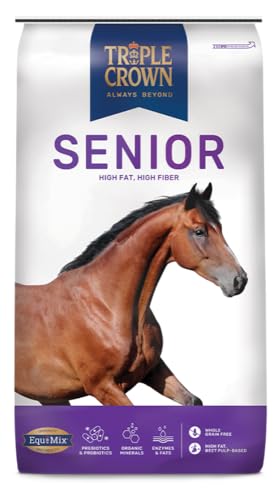
Read guide →Senior Feed vs Ration Balancer
Calories versus nutrient balancing: who needs a complete senior feed, who needs a balancer, and how to match the product to the horse.
Read guide →Pergolide vs Chasteberry for Cushing's
Why pergolide is the proven PPID treatment, what the evidence says about chasteberry, and why diet and ACTH testing still matter.
Read guide →Hay Net vs Ground Feeding
Posture, airways, slow feeding, waste, and safety: choosing between a hay net and ground feeding for an older horse.
Read guide →Soaked vs Dry Feed
When to soak a senior horse's feed for teeth, choke, hydration, and sugar, and when dry feeding is the simpler, safer choice.
Read guide →Turnout vs Stall for Arthritis
How movement protects aging joints, where stall time helps, footing and herd safety, and building a comfort-first routine.
Read guide →Whole vs Processed Senior Feeds
Whole grains versus processed senior feed: chewability, digestion, mineral balance, and cost for the aging horse.
Read guide →Blanket Weight and Fill Guide
Denier versus grams of fill, rainsheet to heavyweight, when to blanket a senior, fit, and how to avoid over-blanketing.
Read guide →Senior Horse Care Planner
Track your senior horse's vital signs, feed and body condition, farrier and dental schedule, medications, and quality of life, all in one printable planner.
Senior Cat Wellness & Care Planner
10 printable worksheets to track your aging cat's health, meds, vet visits, mobility, nutrition, and quality of life.
Get the Planner for $39