PPID vs EMS in Senior Horses: Key Differences
PPID (Cushing's) vs equine metabolic syndrome explained for older horses: causes, signs, testing, diet, medication, and why both raise laminitis risk.
Two metabolic conditions dominate the conversation around older horses: PPID, the disease most owners still call Cushing's, and EMS, equine metabolic syndrome. They get lumped together because both can lead to laminitis, but they are different problems with different causes and different treatments. Understanding which one your horse has, or whether it has both, shapes everything from the medicine cabinet to the hay you buy. This comparison lays out how they differ, where they overlap, and how to work with your vet to protect your senior's feet.
Diagnosis always rests on bloodwork, not guesswork, so the first step for any suspicious horse is a vet visit and testing. The products below support a metabolic-friendly program but never replace a diagnosis or prescription.
Support for Metabolic Senior Horses

Heiro HEIRO Equine Insulin Rescue
Herbal blend with magnesium and vitamin E marketed to support normal metabolic function in at-risk horses.

Equine Veterinary Essentials MetaboBalance Metabolic Support
Daily powder formulated to support horses managing laminitis, PPID, and insulin resistance.
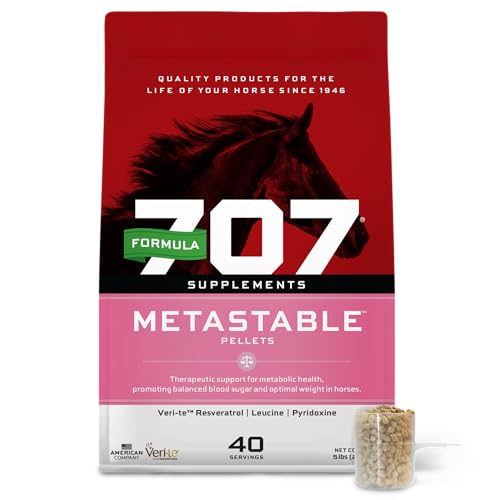
Formula 707 Formula 707 MetaStable Pellets
Pelleted metabolic support studied for horses with insulin resistance and metabolic disorders.
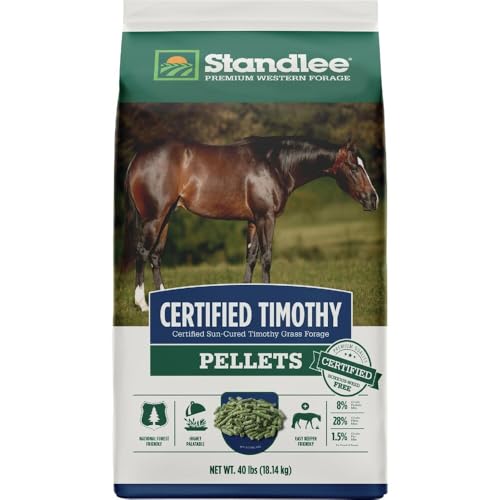
Standlee Standlee Timothy Pellets
Tested low-sugar timothy forage to anchor a controlled-NSC diet for metabolic seniors.
What PPID Is
PPID stands for pituitary pars intermedia dysfunction. As a horse ages, a part of the pituitary gland loses its normal regulation and overproduces hormones, including ACTH. The result is the familiar Cushing's picture: a long, often curly coat that sheds late or not at all, loss of topline muscle, a potbelly, increased drinking and urination, sluggish wound healing, and a higher rate of infections and dental disease. It is fundamentally a disease of aging, most often diagnosed in horses over 15, though it can appear earlier.
What EMS Is
Equine metabolic syndrome is not a single gland gone wrong but a metabolic type. The core problem is insulin dysregulation: the horse's tissues respond poorly to insulin, so the body pumps out more of it. EMS horses are typically easy keepers, hold fat in telltale places such as a cresty neck, over the tailhead, and behind the shoulders, and gain weight on what seems like air. EMS often shows up in younger and middle-aged horses and frequently has a genetic, breed-linked component. Ponies, Morgans, and many gaited breeds are over-represented.
PPID vs EMS Side by Side
| Feature | PPID (Cushing's) | EMS |
|---|---|---|
| Root cause | Aging pituitary dysfunction | Genetic insulin dysregulation |
| Typical age | 15 and older | Young to middle-aged |
| Coat | Long, curly, fails to shed | Normal |
| Body type | Muscle loss, potbelly | Obese, regional fat pads |
| Test | ACTH | Insulin / oral sugar test |
| Treatment | Pergolide plus diet | Diet and exercise |
Where They Overlap
The reason these two get confused is that they meet at insulin and at the feet. Many PPID horses also have insulin dysregulation, and a horse can carry both diagnoses at once. Both push laminitis risk higher, and laminitis is the complication that ends the most careers and lives in older horses. So while the underlying mechanisms differ, the daily management overlaps heavily: low-sugar forage, restricted grass, weight control, and vigilant hoof care.
Treatment and Diet
PPID gets a drug. Daily pergolide, sold as Prascend, addresses the hormonal imbalance, and your vet rechecks ACTH to confirm the dose is working. EMS has no pill that fixes it. It is managed by getting weight off, feeding a strictly low-NSC diet, and using exercise to restore insulin sensitivity once the feet allow movement. A horse with both needs the medication for the PPID and the disciplined diet for the EMS together. In every case the foundation is tested low-sugar hay, a ration balancer instead of grain, and careful or muzzled grazing.
Senior Horse Care Planner
Track your senior horse's vital signs, feed and body condition, farrier and dental schedule, medications, and quality of life, all in one printable planner.
The Bottom Line
PPID is a disease of the aging pituitary, treated with pergolide and managed with diet. EMS is a metabolic type driven by insulin dysregulation, managed through weight loss, low-sugar feeding, and exercise. They look different on the outside but converge on the same danger: insulin-driven laminitis. If your older horse shows a stubborn coat, odd fat deposits, or any foot soreness, ask your vet to test both ACTH and insulin. Knowing exactly what you are dealing with is the only way to build a plan that keeps your senior sound.
For the products that come up most often in managing these horses, see our HEIRO review and our horse clippers review, which covers the coat problem PPID causes.
Editor's Pick · Affiliate link
Cosequin ASU for the Older Horse
The joint supplement with the most research behind it in horses, combining glucosamine and chondroitin with avocado and soybean unsaponifiables. Worth starting before an older horse is visibly stiff rather than after.
Frequently Asked Questions
Can a horse have both PPID and EMS at the same time?
Yes, and it is common in older horses. PPID (Cushing's) is a disease of the aging pituitary gland, while EMS is a metabolic type often present from younger years. A horse genetically wired for EMS can also develop PPID with age, and the two together raise laminitis risk sharply. That is why vets often test both ACTH (for PPID) and insulin (for EMS or insulin dysregulation) when a senior shows abnormal fat pads, a long coat, or a bout of unexplained foot soreness.
How do I tell PPID and EMS apart?
You cannot reliably tell them apart by looking, which is why bloodwork matters. PPID classically brings a long, curly coat that fails to shed, muscle loss over the topline, increased drinking and urination, and recurrent infections, usually in horses over 15. EMS centers on insulin dysregulation with regional fat deposits, a cresty neck, and easy weight gain, often in younger easy keepers. The conditions overlap in their laminitis danger, so a vet uses ACTH and insulin testing to confirm which mechanism, or both, is at work.
Does PPID require medication while EMS does not?
Generally yes. PPID is driven by a pituitary problem and is usually managed with daily pergolide (Prascend), a prescription that addresses the hormone imbalance. EMS has no equivalent drug. It is controlled almost entirely through diet, weight loss, and exercise to improve insulin sensitivity. A horse with both may need pergolide for the PPID and a strict low-sugar diet for the EMS at the same time. Your vet sets the pergolide dose and rechecks ACTH to confirm it is working.
Is diet the same for both conditions?
Largely, yes, because both raise laminitis risk through insulin. The core diet is low in non-structural carbohydrates (NSC), built on tested low-sugar hay, often soaked to lower sugar further, with a ration balancer for vitamins and minerals instead of grain. Pasture is restricted or muzzled, especially in spring and fall when grass sugars spike. The big difference is calories: an EMS horse usually needs weight loss, while a PPID horse with muscle wasting may need careful added calories from low-sugar sources to hold condition.
Why is laminitis the main concern with both?
Both conditions cause high circulating insulin, and insulin dysregulation is now understood as a leading driver of laminitis. High insulin appears to weaken the attachment between the hoof wall and the coffin bone, which can lead to painful, sometimes permanent foot damage. A first sign may be a horse that is footy on hard ground, shifts weight, or shows a pottery gait. Controlling insulin through diet, weight management, and, for PPID, pergolide is the single most important way to protect the feet.
How often should an older horse be tested?
Talk to your vet, but many recommend baseline metabolic testing once a horse reaches its mid-teens or shows any warning sign, then annual rechecks. ACTH for PPID is often checked in late summer to fall when seasonal rises make the disease easier to detect, while insulin can be measured year-round. Horses already diagnosed need periodic rechecks to confirm the pergolide dose still controls ACTH and that insulin stays in a safe range as diet and seasons change.
Need more help with your senior horse?
Browse our guides by topic to find practical solutions.
Wellness Planner: $39