Soaked vs Dry Feed for Senior Horses
Soaked vs dry feed for older horses: when to soak, choke and dental safety, hydration, sugar reduction, spoilage, and which method fits your senior's needs.
Walk through any boarding barn at feeding time and you will see two camps: owners stirring buckets of warm mash and owners scooping dry feed straight into the tub. For a senior horse, the choice between soaked and dry feed is not about preference so much as about teeth, choke risk, hydration, and metabolic needs. Soaking solves real problems for some older horses while being unnecessary fuss for others. This comparison lays out exactly when each method makes sense and how to do it safely.
Let your horse's dental exam, eating style, and any metabolic diagnosis guide the decision, and bring your vet in when choke or weight loss is part of the picture.
Feeds That Soak Well for Seniors
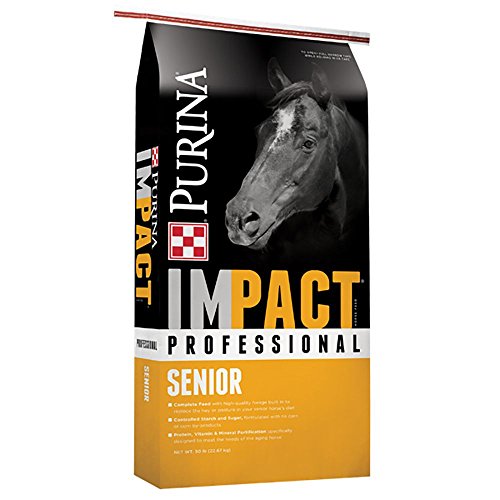
Purina Purina Impact Senior Feed
Pelleted complete senior feed designed to soak into an easy-to-chew mash for poor teeth.

Standlee Standlee Beet Pulp Shreds
Classic soaking feed that adds water and gentle calories for hard-keeping seniors.
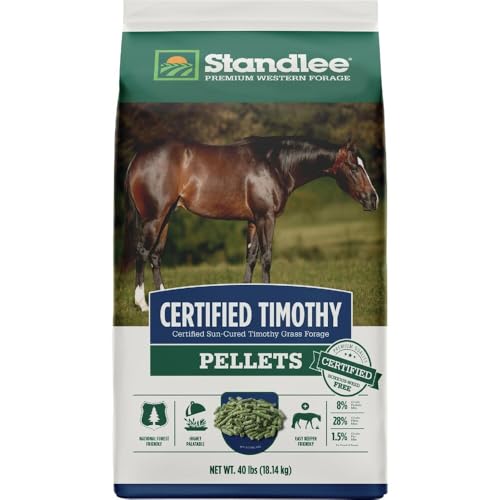
Standlee Standlee Timothy Pellets
Quick-soaking forage pellets that collapse into a soft porridge for horses that cannot chew.
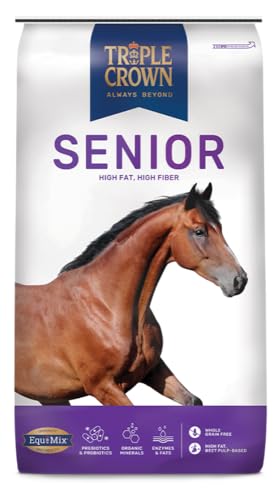
Triple Crown Triple Crown Senior Complete Feed
High-fat complete feed that can be fed dry or soaked depending on your horse's teeth.
Why Owners Soak Feed
Soaking turns pellets, cubes, beet pulp, and complete senior feeds into a soft mash, and it solves several senior-specific problems at once. For a horse with worn or missing teeth, the mash needs almost no chewing. For a horse prone to choke or one that bolts its food, the moisture and softness sharply reduce the risk of feed lodging in the esophagus. Soaking adds water to the diet, which supports hydration and gut motility in winter, and it can wash out some sugar for metabolic horses.
Why Dry Feeding Still Works
For a senior with sound teeth and unhurried eating habits, dry feed is perfectly appropriate and a good deal simpler. There is no soak time, no spoilage clock in summer, and no soggy buckets to scrub. Dry feed also holds up in the tub through a long day without souring. The point is that soaking is a targeted tool, not a rule. A horse that does not need it gains little from a mash beyond the extra labor and the risk of feed turning in hot weather.
Soaked vs Dry Compared
| Factor | Soaked Feed | Dry Feed |
|---|---|---|
| Chewing needed | Minimal | Normal |
| Choke risk | Lower | Higher in fast eaters |
| Hydration | Adds water | None |
| Sugar reduction | Some, washed out | None |
| Spoilage | Fast in heat | Stable |
| Effort | Higher | Lower |
How to Soak Safely
Soak pellets and complete feeds for 10 to 20 minutes and firm cubes or beet pulp longer, using warm water in cold weather and cool water in heat. Make each mash fresh, since soaked feed ferments quickly once warm, and clean the bucket between meals to prevent mold. For metabolic horses, combine soaking with tested low-sugar products rather than relying on soaking alone to control NSC.
Senior Horse Care Planner
Track your senior horse's vital signs, feed and body condition, farrier and dental schedule, medications, and quality of life, all in one printable planner.
The Bottom Line
Soak feed when your senior has poor teeth, a choke history, a fast appetite, hydration needs, or a metabolic diagnosis, since the soft, moist mash protects the throat and adds water. Stick with dry feed when your horse chews well and eats calmly, since it is simpler and avoids spoilage. The right method follows the individual horse, not a one-size rule. When choke or weight loss enters the picture, soak the feed and call your vet.
Our Speedi-Beet review covers the fibre feed that must never be fed dry, and our Triple Crown Senior Gold review covers soaking a textured senior feed for a worn mouth.
Editor's Pick · Affiliate link
Cosequin ASU for the Older Horse
The joint supplement with the most research behind it in horses, combining glucosamine and chondroitin with avocado and soybean unsaponifiables. Worth starting before an older horse is visibly stiff rather than after.
Frequently Asked Questions
When should I soak my senior horse's feed?
Soak when your horse has poor teeth, a history of choke, bolts its feed, needs extra water in the diet, or eats a feed designed to be fed as a mash. Soaking turns pellets, cubes, and complete senior feeds into a soft porridge that needs little chewing and slides down safely. It also adds hydration, which is valuable in winter when horses drink less. If none of those apply and your horse has good teeth and calm eating habits, dry feeding is usually fine.
How long should I soak feed and at what temperature?
Most complete senior feeds and pellets soften in 10 to 20 minutes, while firm cubes and beet pulp may need 30 to 60 minutes or more. Use warm water to speed soaking in cold weather and cool water in heat to slow spoilage. Soaked feed ferments and sours quickly once warm, so make it fresh for each meal and do not leave it sitting in summer. If you batch-soak, refrigerate and use within a day, and discard anything that smells off.
Does soaking reduce the sugar in feed?
Soaking can lower the water-soluble sugar in hay, pellets, and beet pulp, which is why it is recommended for metabolic and laminitis-prone horses. Soaking hay for 30 to 60 minutes and discarding the water washes out a meaningful share of simple sugars. The effect varies by forage and is not a precise tool, so it supports but does not replace choosing tested low-NSC feeds. For an insulin-dysregulated senior, combine low-sugar products with soaking and confirm the plan with your vet.
Does dry feed cause choke?
It can, especially in horses that bolt their feed, have dental problems, or eat firm pellets and cubes. Choke happens when poorly chewed feed lodges in the esophagus, and it is more common in seniors with worn teeth. Soaking is the simplest prevention because it softens the feed and adds moisture. Other tactics include adding large smooth stones to the bucket to slow a fast eater, feeding smaller more frequent meals, and breaking up the feed. If choke occurs, call your vet promptly.
Is dry feeding ever better than soaking?
Yes, for the right horse. A senior with good teeth and a calm eating style does not need soaked feed, and dry feeding is faster, cleaner, and avoids the spoilage worry of warm mashes. Dry feed also keeps better in the bucket through a long day. Soaking is a tool for specific needs, dental wear, choke risk, hydration, sugar reduction, not a universal requirement. Match the method to the individual horse rather than soaking everything by default.
Can I leave soaked feed out all day?
No, especially in warm weather. Soaked feed begins to ferment and spoil within hours once it warms up, and sour feed can cause digestive upset or be refused. Make soaked meals fresh and remove uneaten portions before they turn. In winter the cold buys you more time, but soaked feed can also freeze. The safest routine is to soak right before each feeding, offer it promptly, and clean the bucket between meals to prevent buildup and mold.
Need more help with your senior horse?
Browse our guides by topic to find practical solutions.
Wellness Planner: $39