Best Beet Pulp for Horses (2026 Picks)
The best beet pulp for senior horses compared: shreds vs pellets, molasses-free options for metabolic horses, and how to soak it into a safe, calorie-rich mash.
Beet pulp is one of the most useful feedstuffs in a senior horse's diet. It is a low-sugar, highly digestible fiber left over after sugar is extracted from sugar beets, and it punches well above its weight for older horses. It soaks into a soft mash that worn teeth can manage, adds water to support hydration and gut motility, delivers safe calories for hard keepers, and is gentle enough for many metabolic horses. Below are research-based picks, with guidance on choosing and soaking it.
These selections are based on product specifications, brand reputation, and patterns in verified owner reviews rather than any barn trial. Beet pulp is a partial forage replacement and a calorie aid, not a complete feed, so it works alongside forage and a balanced diet. Introduce it gradually and confirm big changes with your veterinarian.
Best Beet Pulp Picks

Standlee Beet Pulp Shreds, 25 lb
Fast-soaking shreds that fluff into a soft, easy-chew mash


British Horse Feeds Speedi-Beet Quick-Soak Beet Pulp
95% sugar-free beet pulp that soaks fast for metabolic horses
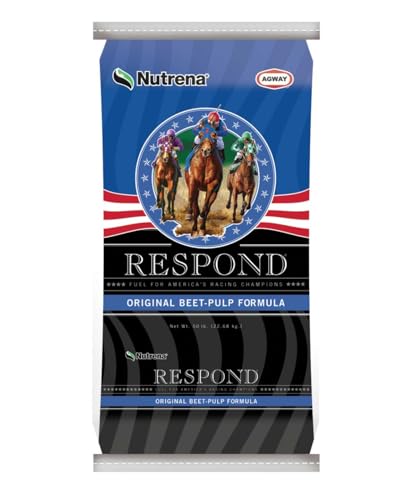
Nutrena Respond Beet Pulp Performance Feed
Beet-pulp-based feed for safe fiber calories and condition
How We Chose These Products
We did not run a feeding trial or claim hands-on testing. We assessed each product the way a careful senior-horse owner would: by checking the form and soak characteristics, confirming low or zero added molasses for metabolic suitability, weighing value per pound, and reviewing patterns in verified owner reviews and brand reputation. Priority went to plain, low-sugar beet pulp that soaks reliably into a safe mash for older horses.
Comparison at a Glance
| Product | Form | Best For | Approx. Price |
|---|---|---|---|
| Standlee Beet Pulp Shreds | Shreds | Fast soaking, poor teeth | $32.99 |
| Standlee Beet Pulp Pellets | Pellets | Value and compact storage | $39.99 |
| Speedi-Beet | Quick-soak flakes | Metabolic horses, fast prep | $69.98 |
| Nutrena Respond | Beet-pulp feed | Fiber-based condition | $59.99 |
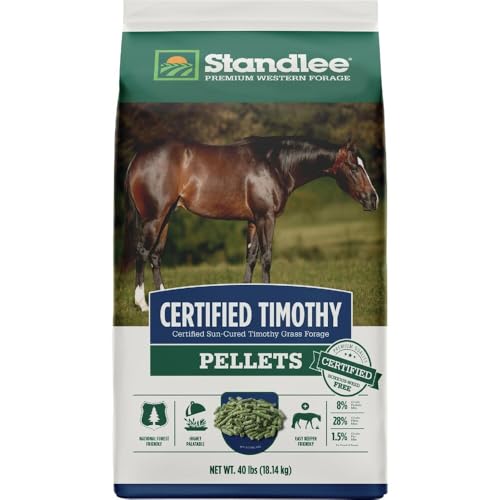
| Standlee Timothy Pellets | Hay pellets | Adding forage to the mash | Check price |
Why Beet Pulp Suits Senior Horses
Beet pulp checks an unusual number of boxes for older horses. Its fiber is highly digestible and fermented safely in the hindgut, so it delivers real calories without the colic and laminitis risk of starch. Because it soaks into a soft mash, it is easy for worn or missing teeth to handle, working as a partial forage replacement for quidding seniors. The water it carries supports hydration and gut motility, which matters for older horses prone to under-drinking and impaction. And plain beet pulp is naturally low in sugar, making it friendly to metabolic horses.
Shreds vs Pellets
The two common forms do the same job with different conveniences. Shreds soak faster, fluffing into a soft mash in about half an hour, which suits horses with very poor teeth and owners who want quick prep. Pellets are denser, store more compactly, and usually need an hour or more to soak fully. Quick-soak products like Speedi-Beet sit in between, designed to be ready faster. Whichever you choose, soaking matters: dry pellets in particular can swell and raise choke risk, so always feed beet pulp as a thoroughly soaked mash for a senior.
Watch for Added Molasses
The one real pitfall for metabolic horses is added molasses. Some beet pulp is sweetened for palatability, which raises its sugar and undercuts the low-sugar advantage that makes it valuable in the first place. For a horse with EMS, PPID, or laminitis history, choose unmolassed beet pulp, and rinse it before soaking if you want to be extra cautious. Plain beet pulp is the safe default, and products marketed for metabolic horses make their low-sugar status clear. Our guides to feeding an EMS horse and feeding a Cushing's horse cover the wider low-sugar diet.
Using Beet Pulp in the Diet
Beet pulp is a partial forage replacement and a calorie aid, not a complete feed, so it needs to be balanced. Pair it with forage, a ration balancer, or a fortified feed so the overall diet supplies the vitamins, minerals, and protein beet pulp lacks. Add hay pellets to the mash to bring in forage, and a fat source like oil or rice bran for extra calories in a hard keeper. Introduce beet pulp gradually over a week or two, and adjust the amount to body condition. Our guides to the best mash for senior horses and feeding hard keepers show how it fits a full ration.
The Bottom Line
Beet pulp earns its place in nearly every senior horse's feed room. It is a low-sugar, highly digestible fiber that soaks into a soft mash, adds safe calories and water, and suits horses with poor teeth and metabolic conditions alike. Choose shreds for speed and easy chewing or pellets for value, insist on plain unmolassed product for metabolic horses, and always soak it well before feeding. Balance it with forage and a complete diet, build up slowly, and let body condition and your veterinarian guide the amount.
Beet Pulp Quick Links
- Standlee Beet Pulp Shreds - fast-soaking, easy-chew pick
- Speedi-Beet - low-sugar, quick-soak option
- Browse beet pulp on Amazon
Related Guides
- Best Mash for Senior Horses - Building a balanced soaked meal.
- Soaked Feed for Senior Horses - Soaking technique and timing.
- Best Hay Alternatives - Forage replacements compared.
Senior Horse Care Planner
Track your senior horse's vital signs, feed and body condition, farrier and dental schedule, medications, and quality of life, all in one printable planner.
Editor's Pick · Affiliate link
Cosequin ASU for the Older Horse
The joint supplement with the most research behind it in horses, combining glucosamine and chondroitin with avocado and soybean unsaponifiables. Worth starting before an older horse is visibly stiff rather than after.
Frequently Asked Questions
What is beet pulp and why feed it to senior horses?
Beet pulp is the fibrous material left after sugar is extracted from sugar beets. Despite the name, it is low in sugar and high in highly digestible fiber, which makes it an excellent safe-calorie source for senior horses. It soaks into a soft mash that horses with poor teeth can eat easily, adds water to the diet, and is gentle on the hindgut. It works as a partial forage replacement and a weight-gain aid for hard keepers.
Do I have to soak beet pulp before feeding?
Soaking is strongly recommended, especially for pellets and for any horse with poor teeth or a history of choke. Dry pellets can absorb saliva and swell, raising choke risk, and a soaked mash is far easier for an old mouth to manage. Shreds soak faster than pellets. Cover the beet pulp well with warm water, since it expands a great deal, and feed the resulting soft mash promptly so it does not spoil.
Is beet pulp safe for a horse with EMS or Cushing's?
Plain beet pulp is low in sugar and starch and is generally considered safe for metabolic horses, which is part of why it is so popular. The caution is added molasses, since some beet pulp products include it for palatability, raising the sugar. For a metabolic horse, choose unmolassed beet pulp and rinse it if you want to be extra careful. As always, confirm the diet with your vet for an insulin-sensitive horse.
How much beet pulp can I feed a senior horse?
Beet pulp can make up a meaningful share of the diet, and some horses eat several pounds of dry weight daily soaked into mashes, but it should be introduced gradually and balanced. It is not a complete feed on its own, so it needs to be paired with forage, a balancer, or a fortified feed to keep the overall diet balanced. Build up slowly over a week or two and adjust to body condition with your vet's input.
Should I choose beet pulp shreds or pellets?
Shreds soak faster and break down into a fluffy mash in about half an hour, which many owners prefer for convenience and for horses with very poor teeth. Pellets are denser, store compactly, and usually need an hour or more to soak fully. Both deliver the same digestible fiber. Choose shreds for speed and easy chewing, pellets for storage and value, and always soak either thoroughly before feeding a senior.
Can beet pulp help a horse gain weight?
Yes. Beet pulp is a calorie-dense, highly digestible fiber that adds safe energy without the sugar and starch of grain, making it a staple in weight-gain programs for hard keepers. It pairs well with a fat source like oil or rice bran for extra calories. Because it soaks into a soft mash, it is especially useful for thin older horses whose teeth can no longer manage hay, letting them take in real calories comfortably.
Need more help with your senior horse?
Browse our guides by topic to find practical solutions.
Wellness Planner: $39