Best Feed for Hard Keepers (2026 Picks)
The best feeds and supplements for hard-keeping horses compared: high-fat senior feeds, beet pulp, and fat toppers to safely add condition to thin older horses.
Some horses, especially older ones, just will not hold weight. As teeth wear and digestion grows less efficient, a senior can drop topline and condition on a ration that would make another horse fat. The answer for these hard keepers is not simply more grain, which brings colic and laminitis risk. It is a calorie-dense diet built around fat and highly digestible fiber, fed in frequent meals an aging gut can actually process. Below are research-based picks for adding safe condition.
Before any of this, remember that new weight loss is usually a symptom. A hard keeper deserves a veterinary workup for dental disease, PPID, parasites, and ulcers, because fixing the cause often does more than any feed. With that handled, these feeds and supplements are the tools that put weight back on safely. Selections come from feed tags, brand reputation, and verified owner reviews, not a barn trial.
Best Feeds for Hard Keepers
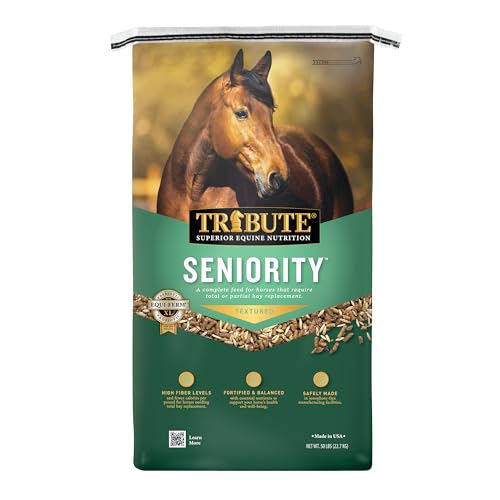
Tribute Maturity Textured Senior Feed
Calorie-dense textured feed focused on digestibility and topline
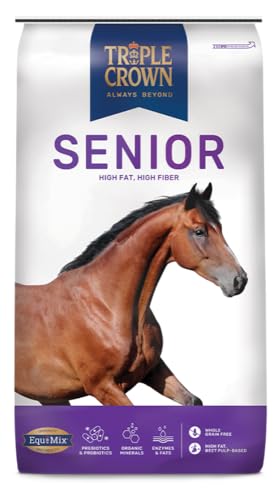
Triple Crown Senior Feed, High Fat & High Fiber
Soakable complete feed for hard keepers with poor teeth

Manna Pro Weight Accelerator Supplement
High-calorie topper with omega-3s and flaxseed for condition

Manna Pro Cool Calories 100 Fat Supplement
Concentrated dry fat for energy without sugar or starch


Formula 707 Weight Gain Crumble Supplement
Palatable calorie-rich crumble for hard-to-keep seniors
How We Chose These Picks
We did not run a feeding trial or claim hands-on testing. We assessed each option the way an owner fighting to put weight on a thin senior would: by reading the tag for fat and digestible fiber, favoring calorie-dense feeds and fat-based toppers over starchy grain, checking soakability for horses with poor teeth, and weighing brand track record against patterns in verified owner reviews. Priority went to products that add safe, fat-driven calories without the metabolic risk of heavy grain.
Comparison at a Glance
| Product | Type | Best For | Approx. Price |
|---|---|---|---|
| Tribute Maturity | Textured senior feed | Topline and digestibility | $50.99 |
| Triple Crown Senior High Fat | Soakable complete feed | Hard keepers with poor teeth | $54.49 |
| Manna Pro Weight Accelerator | High-calorie topper | Adding calories plus omega-3s | $36.99 |
| Manna Pro Cool Calories 100 | Dry fat supplement | Energy without sugar or starch | $31.49 |
| Standlee Beet Pulp Shreds | Digestible fiber | Safe fiber-based calories | $32.99 |
| Formula 707 Weight Gain Crumble | Calorie crumble | Palatable topper for fussy seniors | $41.33 |
Build Weight on Fat and Fiber, Not Starch
The core principle for any hard keeper is that calories should come from fat and highly digestible fiber rather than starch. Fat carries more than twice the energy of carbohydrates per pound and is gentle on the hindgut, so a fat-based diet adds substantial calories without the colic and laminitis risk of large grain meals. That is why a high-fat senior feed, beet pulp, and a fat supplement like Cool Calories form the backbone of this list. Stack these safely and you can raise a thin horse's energy intake a great deal without ever leaning on sugar.
Start With Forage, Then Layer Calories
Even a hard keeper is forage-first. Maximize good hay, pasture, or a soaked forage replacement before stacking concentrates, because fiber fermented in the hindgut is both safe energy and essential for gut health. For a senior whose teeth no longer manage hay, a soakable complete feed like Triple Crown Senior High Fat doubles as both forage replacement and calorie source. Once forage is maximized, layer in beet pulp, a senior feed, and a fat topper to close the calorie gap. Our guide to the best weight gain supplements goes deeper on the toppers.
Feed Small, Frequent Meals
How you split the ration matters as much as what is in it. An aging gut digests three or four smaller meals far more completely than one or two large ones, so more of the calories actually become condition instead of passing through. For a complete feed fed as a forage replacement, dividing the large daily amount into several soaked meals is essential for both digestion and steady gain. Frequent meals also keep fiber moving and reduce colic risk. Our senior horse feeding schedule guide lays out workable routines.
Rule Out the Cause First
No feed fixes an unaddressed problem. A horse that becomes a hard keeper needs a veterinary workup, because new weight loss usually points to dental disease, PPID, parasites, ulcers, or a competition issue at the hay rather than a simple calorie gap. Owners often discover that floating the teeth, starting pergolide for Cushing's, or correcting a deworming program does more than any bag of feed. Treat the calorie-dense diet as the second half of the job, after the cause is found and managed. Our guide to weight management for senior horses covers that investigation.
The Bottom Line
The best feed for a hard keeper is a calorie-dense, fat-and-fiber diet fed in small frequent meals, anchored by a high-fat senior feed, beet pulp, and a fat supplement, with soakable options for horses whose teeth have failed. Build weight slowly, track it with a weight tape, and resist the urge to pile on grain. Most importantly, work with your veterinarian to find and fix the reason your horse is not holding weight, since that is usually what unlocks real, lasting condition.
Hard Keeper Quick Links
- Tribute Maturity Senior Feed - calorie-dense textured pick
- Cool Calories 100 - dry fat for safe energy
- Browse weight-gain feeds on Amazon
Related Guides
- Best Weight Gain Supplements - Fat-based toppers compared.
- Weight Management for Senior Horses - Finding the cause of weight loss.
- Best Mash for Senior Horses - Soaked calories for poor teeth.
Senior Horse Care Planner
Track your senior horse's vital signs, feed and body condition, farrier and dental schedule, medications, and quality of life, all in one printable planner.
Editor's Pick · Affiliate link
Cosequin ASU for the Older Horse
The joint supplement with the most research behind it in horses, combining glucosamine and chondroitin with avocado and soybean unsaponifiables. Worth starting before an older horse is visibly stiff rather than after.
Frequently Asked Questions
What is a hard keeper?
A hard keeper is a horse that struggles to hold weight and condition even on what looks like plenty of feed. It loses topline, shows ribs, or stays thin where other horses would thrive. Older horses often become hard keepers as teeth wear and digestion grows less efficient. The label describes the symptom, not the cause, so the first job is always to find out why the horse is not holding weight before piling on feed.
What is the best feed for a hard keeper horse?
The best feed is a calorie-dense, higher-fat option built around digestible fiber rather than starch, such as a high-fat senior or performance feed, plus beet pulp and a fat supplement. Fat carries more than twice the energy of carbohydrates and is safe for metabolic horses, so it lets you add condition without the colic and laminitis risk of heavy grain. Soakable feeds also help older hard keepers with poor teeth.
Why is my horse a hard keeper all of a sudden?
A horse that becomes a hard keeper deserves a veterinary workup, because new weight loss is usually a symptom. Common causes are dental disease that prevents chewing, PPID (Cushing's), parasites, ulcers, and reduced digestive efficiency with age. Pain, stress, and losing out to herd-mates at the hay also play a role. Address the underlying issue and the horse often holds weight far more easily, sometimes without dramatic feed increases.
Is it better to add fat or grain for weight gain?
Fat, almost always. Fat is energy-dense and safe for the hindgut and for metabolic horses, while large grain meals risk hindgut upset, colic, and laminitis from the starch load. Adding oil, a rice bran product, or a high-fat feed lets you raise calories substantially without those risks. Grain has a place in small, well-managed amounts for some horses, but for an older hard keeper, fat and digestible fiber are the safer engine of weight gain.
How many meals should a hard keeper get?
Three or four smaller meals a day beat one or two large ones for a hard keeper. An aging gut digests smaller portions more completely, so more of the calories actually go to condition rather than passing through. If you feed a complete senior feed as a forage replacement, splitting that large daily amount into multiple soaked meals is essential. Frequent meals also keep fiber moving and reduce the colic risk that comes with big buckets.
How long until I see weight gain in a hard keeper?
Expect gradual change over weeks to a couple of months, not days. Healthy weight gain is slow, and trying to rush it with heavy grain invites colic and laminitis. Track with a weight tape every couple of weeks and watch the trend rather than the day-to-day. If a horse on a sound, calorie-dense diet still will not gain after several weeks, revisit the vet workup, since an unaddressed cause is usually behind it.
Need more help with your senior horse?
Browse our guides by topic to find practical solutions.
Wellness Planner: $39