Senior Horse Feeding Schedule: A Daily Routine
Build a feeding schedule for an older horse: how many meals a day, free-choice forage, splitting meals for hard keepers, and a consistent routine to protect the gut.
How you spread feed across the day matters almost as much as what you feed. A horse evolved to graze for fifteen or more hours a day, taking in small amounts of fiber more or less constantly. That design does not change with age, but an older horse's slower digestion and worn teeth make a steady, well-spaced routine even more important. The right schedule keeps fiber moving, protects against ulcers and colic, and helps a hard keeper actually hold the weight you feed.
This guide lays out how many meals to feed, how to keep forage flowing, and how to adapt the routine for hard keepers, toothless horses, and winter. For starting amounts, pair it with our feed weight calculator and our guide to how much to feed a senior horse.
Feeding Routine Kit
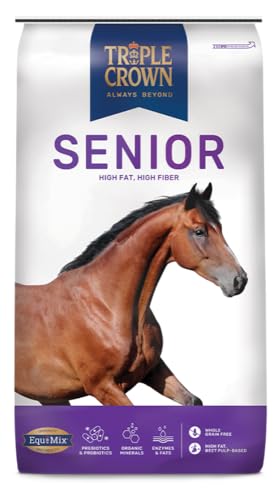
Triple Crown Senior Horse Feed, High Fat & High Fiber
Soakable complete feed for two-to-four meal routines

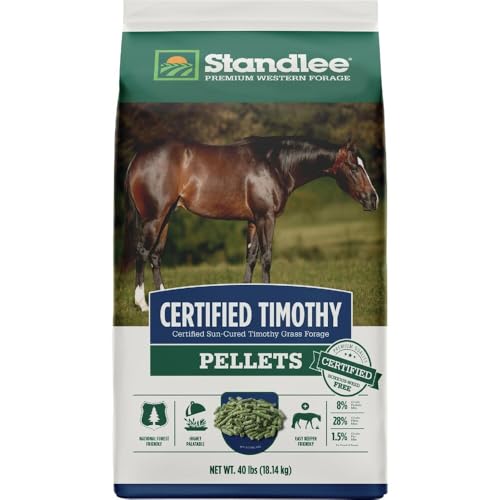
Standlee Certified Timothy Hay Pellets
Soak into between-meal mashes for poor-toothed seniors

The Two Goals of a Good Schedule
Every senior feeding schedule is really trying to do two things. First, keep forage in front of the horse as much as possible, because a hindgut fermenter needs near-constant fiber to stay healthy. Second, break concentrates and mashes into enough small meals that an aging digestive tract can actually process them. Big, infrequent grain meals overwhelm the gut and waste calories, while long empty gaps invite ulcers and colic. A good routine threads between those two failures.
How Many Meals a Day
Two meals a day is the practical floor, and it works for a sound-mouthed senior that also has forage available in between. But more is better for most older horses, and especially for hard keepers and those on a complete feed:
- Sound, easy keeper: Free-choice or generous forage plus two balancer or feed meals is usually plenty.
- Hard keeper: Three to four meals, with the concentrate ration split so each portion is digested completely.
- Toothless or near-toothless horse: Three or more soaked mash meals that replace forage, since the horse cannot graze or eat hay between meals.
The more a horse relies on bucket feed rather than grazing, the more meals it needs, because each meal is doing work that grazing would otherwise spread across the day.
A Sample Daily Schedule
| Time | Easy Keeper | Hard Keeper / Toothless |
|---|---|---|
| Morning | Forage plus balancer | Soaked mash plus forage |
| Midday | Top up forage | Second mash or feed meal |
| Afternoon | Forage in slow-feed net | Forage or third mash |
| Evening | Forage plus feed meal | Soaked mash plus forage |
This is a template, not a prescription. Adjust the number and size of meals to your horse's teeth, weight, and metabolism, and to what your own schedule realistically allows. Consistency in timing matters more than hitting an exact clock.
Keep Forage Flowing
The single most important feature of a senior schedule is steady forage. For most older horses that means free-choice or near-constant hay, pasture, or a forage replacement. A slow-feed hay net is a simple way to stretch a measured amount of hay across many hours, which mimics grazing and keeps a slow eater busy without overfeeding. For overweight or metabolic horses, slow feeders let you control intake while still avoiding the long empty gaps that harm the gut.
For toothless horses, forage takes a different form. Since they cannot graze or eat hay between meals, you replace the constant forage with several soaked mashes through the day. Our guide to feeding a horse with no teeth covers building that kind of routine.
Consistency Protects the Gut
Horses thrive on routine, and their digestion does too. Feed at roughly the same times each day, make any change to feed type or amount gradually over a week or more, and avoid sudden swings in forage availability. Abrupt changes and long empty stretches are among the most common triggers for colic, and older horses are already more vulnerable. A boring, predictable schedule is exactly what an aging gut wants.
Adjusting for Winter
The framework holds year-round, but winter changes the dial. Digesting fiber produces body heat, so forage needs rise in cold weather, and an older horse that feels the cold benefits from extra hay during cold snaps. Warm soaked mashes do double duty, easing a worn mouth and nudging a horse to take in water it might otherwise skip. Keep water unfrozen and available, since dehydration plus reduced winter drinking is a classic setup for impaction colic. Our guide to hydration for senior horses has more on winter watering.
Watch and Adjust
No schedule is final. Run a weight tape around your horse every couple of weeks, learn the Henneke body condition score, and let the trend guide you. If a hard keeper is slipping, add a meal rather than just enlarging the existing ones. If an easy keeper is gaining, tighten forage with slow feeders rather than cutting it to nothing. The schedule is a living plan, and your veterinarian can help you tune it as your horse ages.
The Bottom Line
Build a senior feeding schedule around steady forage and enough small meals for an aging gut to handle. Feed at least twice a day, more for hard keepers and toothless horses, keep hay or a forage replacement flowing across the gaps, and hold a consistent routine that changes only gradually. Add forage and warm mashes in winter, track condition with a weight tape, and adjust meal count before meal size. A calm, predictable routine is one of the kindest things you can give an older horse.
Routine Quick Links
- Slow Feed Hay Net - stretch forage across the day
- Horse Weight Tape - track condition between adjustments
- Browse senior horse feed on Amazon
Related Guides
- How Much to Feed a Senior Horse - Forage amounts and meal sizing.
- Best Slow-Feed Hay Nets - Stretch forage to mimic grazing.
- Weight Management for Senior Horses - Adjusting the routine by condition.
Senior Horse Care Planner
Track your senior horse's vital signs, feed and body condition, farrier and dental schedule, medications, and quality of life, all in one printable planner.
Editor's Pick · Affiliate link
Cosequin ASU for the Older Horse
The joint supplement with the most research behind it in horses, combining glucosamine and chondroitin with avocado and soybean unsaponifiables. Worth starting before an older horse is visibly stiff rather than after.
Frequently Asked Questions
How many times a day should I feed a senior horse?
Aim for at least two meals a day, and ideally three or more for hard keepers or horses on a complete feed. A horse's gut is built to process small amounts of forage almost continuously, so frequent meals or free-choice forage suit them far better than one or two big buckets. Older horses with reduced digestion especially benefit from smaller, more frequent portions that are easier to process and keep fiber moving.
Should senior horses have forage available at all times?
For most seniors, yes. Free-choice or near-constant forage keeps the gut working, reduces the risk of ulcers and colic, and supports the steady chewing an old horse needs. The exception is an overweight or metabolic horse, which may need measured low-sugar forage in slow-feed nets to control intake. For toothless horses, the forage simply takes the form of frequent soaked mashes rather than long-stem hay.
What is the best feeding schedule for an old horse?
A simple, consistent routine works best: forage available most of the day, plus two to four concentrate or mash meals at regular times. Many owners feed a morning mash, top up forage through the day, and feed an evening mash, with a midday meal added for hard keepers. The exact clock matters less than consistency, since horses are creatures of habit and sudden changes upset both digestion and behavior.
Can I feed a senior horse just twice a day?
Twice a day is the practical minimum and works fine for many sound-mouthed seniors that also have forage available between meals. Problems arise when twice-daily concentrate meals are large and forage runs out in between, leaving the gut empty for hours. If your schedule only allows two meals, keep concentrate portions modest and make sure hay or a forage replacement is available across the gaps.
Does meal timing affect colic risk in older horses?
Yes. Long gaps with an empty stomach, abrupt feed changes, and large grain meals all raise colic risk, and older horses are already more vulnerable. Spreading feed across more, smaller meals, keeping forage flowing, and making any change gradually over a week or more all help protect the gut. Consistent timing and steady water intake round out a colic-aware routine.
How should I split meals for a hard keeper?
Hard keepers do best with the daily ration divided into three or four smaller meals rather than two large ones. Smaller portions are digested more completely, so more of the calories actually go toward condition instead of passing through. If you feed a complete senior feed as a forage replacement, splitting the large daily amount into multiple soaked meals is essential for both digestion and steady weight gain.
Should I change the schedule in winter?
The structure stays the same, but winter raises forage needs because digesting fiber generates body heat that helps a horse stay warm. Increase hay or forage replacement in cold snaps, feed warm soaked mashes to encourage water intake, and keep water from freezing. Older horses feel the cold more, so steady forage and a reliable winter routine are especially important for holding condition through the season.
Need more help with your senior horse?
Browse our guides by topic to find practical solutions.
Wellness Planner: $39