Best Mash for Senior Horses (2026 Picks)
The best mashes for older horses compared: complete feeds, hay pellets, cubes, and beet pulp soaked into soft meals for poor teeth, hydration, and safe calories.
For an older horse whose teeth no longer manage hay, a mash is the meal that keeps it fed and thriving. A mash is simply feed soaked into a soft, wet, porridge-like consistency that needs almost no grinding, and it is the cornerstone of feeding seniors with worn or missing teeth. A good mash delivers fiber and calories in an easy-to-eat form, adds water to support hydration and gut motility, and sharply lowers choke risk. Below are research-based picks for building the best mash, from complete-feed bases to forage and calorie additions.
These selections come from feed tags, product specifications, brand reputation, and patterns in verified owner reviews rather than any barn trial. The right mash depends on your horse: whether it needs complete nutrition, more forage, or extra calories. Build the mash to balance the diet, and confirm big changes with your veterinarian.
Best Senior Mash Picks
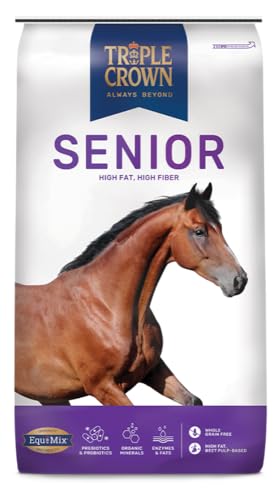
Triple Crown Senior Feed, High Fat & High Fiber
Soakable complete feed that makes a full, balanced mash

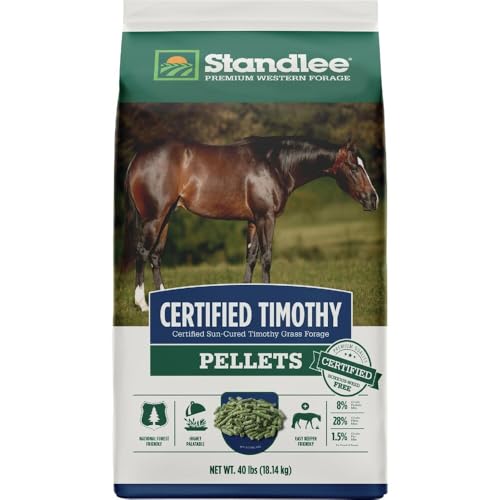
Standlee Certified Timothy Hay Pellets
Forage fiber that soaks into a mash to replace long-stem hay
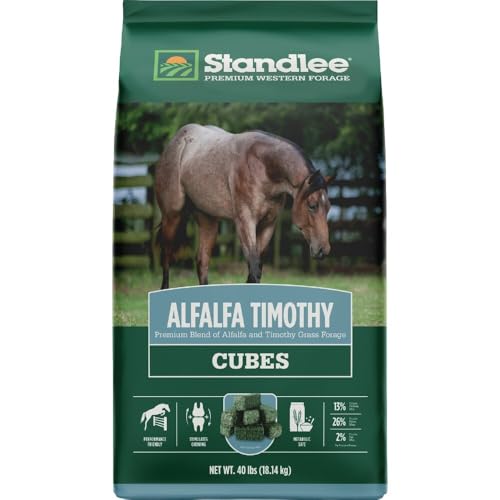
Standlee Alfalfa & Timothy Hay Cubes
Soften into a fiber-rich mash with extra protein and calories

Purina Active Senior Pelleted Feed
Pelleted senior feed that soaks well for a complete mash
How We Chose These Picks
We did not run a feeding trial or claim hands-on testing. We assessed each option the way a careful senior-horse owner would: by checking soakability and how readily it forms a soft mash, its role in the diet as complete feed, forage, or calorie source, suitability for poor teeth, and patterns in verified owner reviews and brand reputation. Priority went to products that reliably soak into a safe, palatable mash and combine well into a balanced meal for older horses.
Comparison at a Glance
| Product | Role in the Mash | Best For | Approx. Price |
|---|---|---|---|
| Triple Crown Senior High Fat | Complete feed base | A full, balanced forage-replacing mash | $54.49 |
| Standlee Beet Pulp Shreds | Calorie and fiber add | Soft texture and safe calories | $32.99 |
| Standlee Timothy Pellets | Forage fiber | Replacing long-stem hay | Check price |
| Standlee Alfalfa/Timothy Cubes | Forage plus protein | Extra calories and topline | $41.49 |
| Purina Active Senior | Complete feed base | An alternate complete mash | $59.99 |
Choosing Your Mash Base
The base sets what the mash does. A soakable complete senior feed is the most complete option, formulated to be fed in large amounts and able to replace forage entirely, which makes it the natural choice for a horse that can no longer chew any hay. Hay pellets and cubes are forage replacers, providing the fiber long-stem hay would, and alfalfa-based cubes add protein and calories for topline. Beet pulp is the great supporting actor, adding safe, low-sugar calories and a soft texture. Many owners blend a complete feed with beet pulp for a balanced, calorie-appropriate mash.
Building a Balanced Mash
A mash should do more than soften a meal, it should balance the diet. If the base is a complete senior feed fed at the full rate, it supplies the vitamins and minerals on its own. If the base is hay pellets or cubes, the mash provides forage but not full fortification, so it needs a ration balancer or fortified feed alongside to fill the gaps. Add beet pulp and a fat source like oil or rice bran when a hard keeper needs extra calories. The goal is a mash that, across the day, meets the horse's full needs for fiber, calories, vitamins, and minerals. Our guides to the best senior horse feed and vitamin and mineral needs help round it out.
How to Soak It Right
Making a good mash is simple but worth doing carefully. Cover the feed generously with warm water, since pellets and beet pulp expand a great deal as they absorb. Hay pellets and complete feeds soften in 15 to 30 minutes, while cubes and beet pulp pellets need longer, often an hour. Stir into a soft, fluffy consistency with no hard cores remaining in cubes, check that it is comfortably warm rather than hot, and feed promptly. Always make each mash fresh, because a wet mash ferments and molds quickly, especially in warm weather. Our guide to soaked feed for senior horses covers timing in detail.
Mashes, Hydration, and Winter
One of the quiet benefits of mash feeding is water. A generous mash adds a gallon or more of water to the daily diet without the horse choosing to drink it, which supports gut motility and lowers impaction colic risk. This matters most in winter, when cold water and dry hay conspire to cut an older horse's intake. A warm mash is easier on a worn winter mouth and gently nudges a reluctant horse toward hydration. For seniors prone to under-drinking, regular mashes are one of the most reliable hydration tools you have. See our guide to hydration for senior horses.
The Bottom Line
A mash keeps an older horse fed and comfortable long after its teeth fail. Build it on a complete senior feed when you need full nutrition that replaces forage, lean on hay pellets and cubes for forage fiber, and add beet pulp and fat for safe calories in a hard keeper. Balance the mash across the day so it meets the horse's full needs, soak it properly into a soft fresh meal, and use warm mashes to support hydration in winter. Feed several mashes a day for horses that rely on them, and let your veterinarian and dental exams guide the plan.
Senior Mash Quick Links
- Triple Crown Senior Feed - complete soakable mash base
- Standlee Beet Pulp Shreds - soft, low-sugar calorie add
- Browse mash ingredients on Amazon
Related Guides
- Soaked Feed for Senior Horses - Soaking technique and timing.
- Feeding a Horse With No Teeth - Full mash diets for toothless seniors.
- Best Beet Pulp for Horses - The go-to mash calorie source.
Senior Horse Care Planner
Track your senior horse's vital signs, feed and body condition, farrier and dental schedule, medications, and quality of life, all in one printable planner.
Editor's Pick · Affiliate link
Cosequin ASU for the Older Horse
The joint supplement with the most research behind it in horses, combining glucosamine and chondroitin with avocado and soybean unsaponifiables. Worth starting before an older horse is visibly stiff rather than after.
Frequently Asked Questions
What is a mash for senior horses?
A mash is any feed soaked in water into a soft, wet, porridge-like consistency that an older horse can chew and swallow easily. It can be built from hay pellets, hay cubes, beet pulp, a complete senior feed, or a blend of these. Mashes are the cornerstone of feeding horses with worn or missing teeth, because they deliver fiber and calories in a form that needs little grinding while adding valuable water to the diet.
What is the best base for a senior horse mash?
There is no single best base, since it depends on the horse. A soakable complete senior feed makes the most complete, balanced mash and can replace forage entirely. Hay pellets and cubes provide forage fiber, while beet pulp adds safe calories and a soft texture. Many owners blend a complete feed with beet pulp for a balanced, calorie-appropriate mash. Match the base to whether the horse needs full nutrition, more forage, or extra calories.
How do I make a mash for an old horse?
Place the chosen feed in a bucket, add enough warm water to cover it well since pellets and beet pulp expand a lot, and let it soak. Hay pellets and complete feeds soften in 15 to 30 minutes, cubes and beet pulp pellets take longer. Stir into a soft, fluffy consistency with no hard cores, check that it is comfortably warm rather than hot, and feed promptly. Make each mash fresh to avoid spoilage.
Can a mash completely replace hay?
Yes, when built correctly. A complete senior feed soaked into a mash is formulated to replace forage entirely for a horse that can no longer chew hay, fed at the full rate on the bag and split into several meals. Hay pellets and cubes soaked into a mash also stand in for long-stem hay. The key is feeding enough total fiber, usually 1.5 to 2 percent of body weight, so the gut stays supplied. Follow the bag's complete-feed instructions.
How often should I feed a mash to a senior horse?
A horse relying on mashes to replace forage needs three or more mash meals a day, since it cannot graze or eat hay in between. Spreading the ration across several meals suits an aging gut and keeps fiber moving. Horses that still eat some hay may get one or two mashes a day as a supplement. Match the number of mashes to how much of the diet they replace, and keep timing consistent.
Are warm mashes good for horses in winter?
Yes. A warm mash is easier on a worn winter mouth and, importantly, adds water and encourages drinking when cold weather tends to cut intake. Since under-drinking on dry winter hay is a leading cause of impaction colic in older horses, a warm soaked mash is a simple, valuable habit in cold months. Serve it warm, never hot, and make it fresh each time so it does not freeze into an unappetizing block.
Need more help with your senior horse?
Browse our guides by topic to find practical solutions.
Wellness Planner: $39