Soaked Feed for Senior Horses: A Practical Guide
How and why to soak feed for an older horse: soaking times for pellets, cubes, and beet pulp, choke and colic prevention, and building a safe mash for poor teeth.
Soaking feed is one of the most useful skills for anyone caring for an older horse. As molars wear down, loosen, or fall out, many seniors can no longer grind dry feed and long-stem hay the way they once did. Turning their meals into a soft, wet mash bridges that gap. It lets a horse with a worn mouth keep eating well, adds valuable water to the diet, and dramatically lowers the risk of choke. This guide covers what to soak, how long, and how to build a safe soaking routine.
If your horse is already quidding or has lost teeth, soaking becomes less of an option and more of a daily necessity. The good news is that the method is simple, cheap, and forgiving once you get the timing down.
Soaking Starter Kit
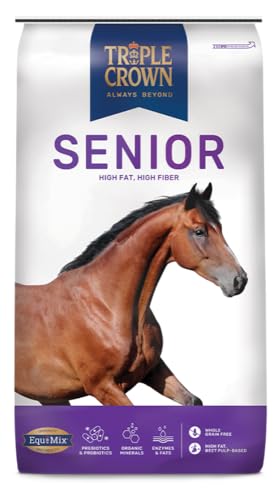
Triple Crown Senior Feed, High Fat & High Fiber
Soakable complete feed that softens into a full-meal mash

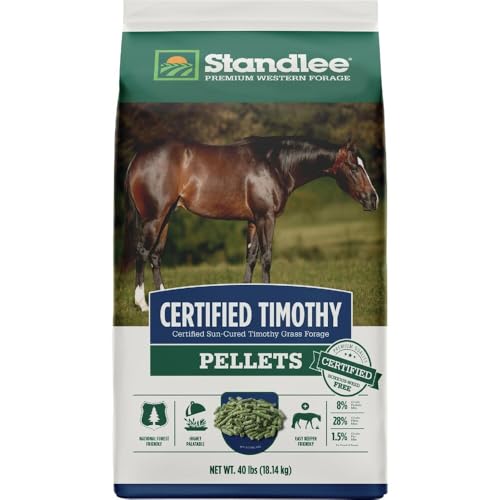
Standlee Certified Timothy Hay Pellets
Soak into a mash to replace or extend hay for poor teeth
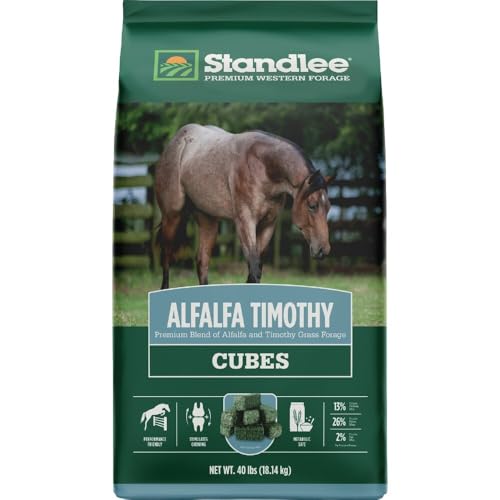
Standlee Alfalfa & Timothy Hay Cubes
Soften in water into a fiber-rich mash for toothless seniors
Why Soaking Matters for Older Horses
A horse's teeth keep erupting and wearing throughout life, and by the late teens and twenties many have uneven, loose, or missing molars. A horse that cannot grind feed properly balls it up and drops it half-chewed, a behavior called quidding. Quidding means the horse is not getting the nutrition from its feed, and the coarse, poorly chewed material that does go down raises the risk of choke and impaction colic.
Soaking solves several problems at once. A mash needs almost no grinding, so a horse with few functional teeth can still eat a full ration. The added water supports gut motility and hydration, which matters because older horses often drink less than they should, especially in cold weather. And because the feed is already soft and wet, the danger of a dry plug lodging in the esophagus drops sharply.
What You Can Soak
Almost every fiber-based feed and forage replacement can be soaked. The most common choices are:
- Hay pellets: Timothy, alfalfa, or a blend. They break down into a loose mash in 15 to 30 minutes and are a clean way to replace long-stem hay.
- Hay cubes: Denser than pellets, so they need a longer soak, often 30 minutes or more, to soften the hard cores fully.
- Beet pulp: A highly digestible, low-sugar fiber that soaks into a soft, palatable mash and adds safe calories.
- Complete senior feeds: Built to be fed in large amounts, they soften into a full-meal mash and can replace forage entirely for a toothless horse.
We compare these forage replacements in depth in our guide to the best hay alternatives for senior horses and our piece on feeding a horse with no teeth.
How Long to Soak Each Type
| Feed Type | Soak Time (warm water) | Result |
|---|---|---|
| Hay pellets | 15 to 30 minutes | Loose, fluffy mash |
| Hay cubes | 30 to 60 minutes | Soft chunks, no hard cores |
| Beet pulp shreds | About 30 minutes | Expanded, spongy mash |
| Beet pulp pellets | 1 hour or more | Fully broken down |
| Complete senior feed | 15 to 30 minutes | Smooth, porridge-like mash |
Warm water speeds everything up and makes the mash more appealing, which is a real advantage in winter. Add enough water that the feed is well covered, since pellets and beet pulp expand a great deal as they absorb. When in doubt, make the mash a little wetter than you think you need.
Building a Safe Soaking Routine
The biggest risk with soaked feed is spoilage. A wet mash ferments quickly in warm weather, and a sour or moldy mash can cause colic or refusal. Soak each meal fresh, ideally an hour or less before feeding, and never leave a bucket of mash sitting out in the heat. In cold weather you have a bit more leeway, but the safe habit is the same: fresh mash, every meal.
Rinse the soaking bucket between meals so old residue does not start to ferment and contaminate the next batch. If you ever smell sourness, see slime, or notice your horse turning away from a mash it normally eats, discard it and start over. Clean feed is non-negotiable for an older horse with a more fragile gut.
Soaking for Metabolic Horses
For a horse with PPID (Cushing's) or EMS, soaking does double duty. A longer soak in plenty of water leaches out some of the water-soluble sugars, lowering the non-structural carbohydrate content of hay and pellets. If you are soaking specifically to reduce sugar, soak for 30 to 60 minutes and pour off the soak water rather than feeding it. Our guide to feeding an EMS horse and our Cushing's feeding guide cover the wider low-sugar diet these horses need.
For a hard keeper that needs every calorie, do the opposite: soak only long enough to soften the feed and feed the mash without pouring off liquid, so you keep the sugars and minerals that carry energy.
Soaking and Hydration
One quiet benefit of soaked feed is water intake. Older horses are prone to drinking too little, and a dehydrated gut is a setup for impaction colic. A generous mash can add a gallon or more of water to the daily diet without your horse having to choose to drink it. In winter, a warm mash is doubly valuable, both easier on a worn mouth and a gentle nudge toward hydration. See our guide to hydration for senior horses for more ways to keep an old horse drinking.
The Bottom Line
Soaking feed lets an older horse keep eating well long after its teeth start to fail. Soak hay pellets, cubes, beet pulp, or a complete senior feed into a soft, fresh mash, match the soak time to the feed, and always serve it clean and unspoiled. Use a longer soak with poured-off water for metabolic horses and a quick soak for hard keepers. When teeth, choke, or hydration are a concern, soaking is a low-effort change that pays off every single day. Loop in your vet or equine dentist to confirm how much chewing ability your horse still has.
Soaking Essentials
- Triple Crown Senior Feed - soakable complete feed for poor teeth
- Standlee Beet Pulp Shreds - low-sugar mash base
- Browse hay pellets and cubes on Amazon
Related Guides
- Feeding a Horse With No Teeth - Full mash diets for toothless seniors.
- Best Mash for Senior Horses - Ready-to-soak mashes and bases compared.
- Hydration for Senior Horses - Keeping an old horse drinking enough.
Senior Horse Care Planner
Track your senior horse's vital signs, feed and body condition, farrier and dental schedule, medications, and quality of life, all in one printable planner.
Editor's Pick · Affiliate link
Cosequin ASU for the Older Horse
The joint supplement with the most research behind it in horses, combining glucosamine and chondroitin with avocado and soybean unsaponifiables. Worth starting before an older horse is visibly stiff rather than after.
Frequently Asked Questions
Why soak feed for a senior horse?
Soaking turns dry pellets, cubes, beet pulp, or a complete feed into a soft mash that an older horse can chew and swallow easily, even with worn or missing molars. It also adds water to the diet, which supports gut motility and lowers the chance of impaction colic, and it sharply reduces the risk of choke in horses that bolt their feed. For many seniors, soaking is the single easiest feeding upgrade you can make.
How long should I soak senior horse feed?
Most hay pellets, cubes, and complete senior feeds soften fully in 15 to 30 minutes in warm water. Beet pulp shreds usually need about 30 minutes, while beet pulp pellets can take an hour or more. Warm water speeds the process, and you want a wet, fluffy mash with no hard cores left in cubes. In hot weather, soak for the shortest effective time and feed promptly so the mash does not ferment or spoil.
Does soaking remove nutrients from the feed?
Soaking causes a small loss of water-soluble sugars and some minerals into the soak water, which is actually helpful for metabolic horses since it lowers sugar. The fiber, fat, protein, and most fortification stay in the feed. For a horse that needs every calorie, do not soak for hours or pour off large amounts of liquid. For a Cushing's or EMS horse, a longer soak and discarded water can be a feature, not a flaw.
Can I soak feed overnight?
Avoid long soaks in warm weather because a wet mash ferments and grows mold quickly, which can cause colic or refusal. In cold weather you can soak a bit longer safely, but the practical limit is a few hours. The cleanest routine is to soak each meal fresh, an hour or less before feeding. If you must prep ahead, keep the mash refrigerated and discard anything sour, slimy, or off-smelling.
What temperature water should I use to soak feed?
Warm or hot water soaks fastest and produces a more palatable mash, which is especially welcome in winter when a warm meal also encourages an old horse to take in water. Cold water works too, it just takes longer. Never use boiling water directly on the feed in a way that could cook it or burn your horse's mouth, and always check the mash is comfortably warm, not hot, before serving.
My senior horse refuses soaked feed. What can I do?
Some horses dislike the texture at first. Start with a thicker, less sloppy mash and gradually add more water over a week or two. Mixing in a handful of a favorite feed, a little applesauce, or unsweetened beet pulp can improve acceptance. Serve it warm in winter and fresh, never sour. If refusal continues alongside weight loss or quidding, have your vet check teeth and rule out dental pain or illness.
Do horses with good teeth need soaked feed?
Not necessarily, but soaking still has benefits. A horse that eats fast, has choked before, or drinks poorly in winter can benefit from the added water and slower, safer meal a mash provides. For a sound-mouthed senior holding weight on dry feed, soaking is optional. Let your horse's teeth, eating speed, and hydration guide the choice, and ask your vet if you are unsure.
Need more help with your senior horse?
Browse our guides by topic to find practical solutions.
Wellness Planner: $39