Senior Horse Stumbling: Causes and What to Do
Why an older horse stumbles, from arthritis and hoof problems to vision loss and neurological issues, when it is an emergency, and how to help your senior horse.
A horse that has started tripping or stumbling can be unsettling to ride and worrying to watch, and in an older horse it almost always means something has changed. Stumbling is a symptom, not a diagnosis, and the causes range from easily fixable long toes to serious neurological disease. The key is to take it seriously, look for accompanying clues, and get your vet involved to sort out what is really going on.
This guide walks through the common reasons senior horses stumble, the warning signs that make it an emergency, and the practical steps that help. Because some causes are urgent, do not simply assume a stumbling horse is being lazy or careless.
Joint Support for a Stumbling Senior

Nutramax Cosequin ASU Joint Health Supplement for Horses
Daily joint support when arthritis is shortening the stride and reducing foot clearance
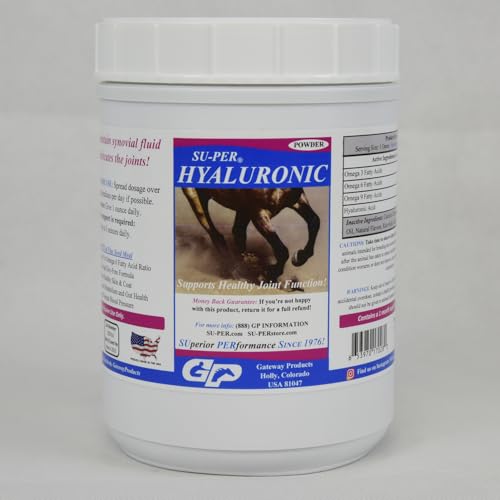
SU-PER SU-PER Hyaluronic Joint Supplement
Oral hyaluronic acid to support smoother, freer joint movement in a stiff senior

Richdel Legacy Pellets Joint Support for Senior Horses
A pelleted joint formula built for older horses, easy to feed daily
Before reaching for any product, the priority is figuring out why your horse is stumbling. Here are the main causes.
Arthritis and Limb Pain
Arthritis is one of the most common reasons an older horse trips. Pain and stiffness in the lower joints and feet shorten the stride and make the horse lift and place each foot less freely, so toes catch the ground, especially when the horse is tired, going downhill, or crossing uneven footing. Pain anywhere in the leg can change how the limb swings forward. If your horse already has arthritis and is now stumbling more, that is a signal to revisit the comfort plan with your vet, because better pain control and joint support often improve foot clearance.
Hoof Problems and Long Toes
The feet are a frequent and very fixable cause. Long toes and unbalanced feet delay breakover, the moment the hoof rolls over and leaves the ground, which makes it harder for the horse to get its foot out of the way in time. The result is a toe that drags or catches. Foot soreness, thin soles, and conditions affecting the hoof can also make a horse careful and prone to tripping. Regular trimming and balanced shoeing, sometimes with an eased or rolled toe, can make a real difference. A consistent farrier schedule is one of the simplest first steps.
Senior Horse Care Planner
Track your senior horse's vital signs, feed and body condition, farrier and dental schedule, medications, and quality of life, all in one printable planner.
Vision Changes
Older horses can develop eye changes such as cataracts, recurrent uveitis (moon blindness), or general reduced vision that make them misjudge the ground. A horse that cannot see footing clearly may trip, hesitate, shy at shadows, or stumble when moving from bright sunlight into a dim barn. Vision-related stumbling often comes with other clues like spookiness, bumping into objects, or reluctance in low light. Your vet can examine the eyes as part of a workup and advise on managing a horse with reduced sight.
Neurological Causes
This is the category that makes prompt veterinary attention important. Neurological conditions affect coordination and the horse's sense of where its feet are, producing stumbling that often comes with weakness, wobbliness, a drunk or uncoordinated gait, toe dragging, difficulty turning in tight circles, or trouble backing. Causes include EPM, cervical vertebral malformation (wobbler syndrome), and others. These need timely diagnosis, so if your horse's stumbling looks uncoordinated or comes with any of these signs, treat it as urgent and call your vet right away.
Fitness, Fatigue, and Footing
Sometimes the explanation is simpler. An unfit, tired, or overworked horse stumbles more as muscles fatigue and foot clearance drops late in a session, and rough, rocky, or uneven ground simply offers more to trip over. Building fitness gradually, keeping sessions appropriate to a senior's stamina, warming up thoroughly, and choosing good footing all reduce stumbling. That said, a normally sure-footed horse that suddenly starts tripping deserves a medical look rather than just more conditioning.
When Stumbling Is an Emergency
Call your vet promptly, and treat it as urgent, if stumbling comes with any of these:
- Weakness, wobbliness, or a drunk, uncoordinated gait
- Dragging the toes or scuffing the ground repeatedly
- Difficulty turning, backing, or standing
- Near-falls or actual falls
- Sudden severe lameness
These point toward neurological or acute problems that need a timely diagnosis. When in doubt, it is always safer to have your vet assess a stumbling horse than to wait and see.
How the Cause Is Diagnosed and Treated
Your vet will take a history and watch your horse move on different surfaces, in straight lines and turns, and may perform a lameness exam with flexion tests, nerve blocks, and X-rays to check the joints and feet. They can examine the eyes and run a neurological assessment to evaluate coordination. The treatment then follows the cause: farrier work and balanced trimming for hoof-related stumbling, joint support and pain control for arthritis, eye care or management changes for vision loss, and specific therapy for neurological disease. Pinpointing the cause is what makes the fix effective.
This article is educational and does not replace a veterinary exam. Because stumbling can signal a serious problem, please have your equine vet evaluate a horse that has started tripping or stumbling.
Related Guides
- Arthritis in Senior Horses - A common cause of stumbling.
- Signs of Arthritis in Horses - Reading the subtle clues.
- Exercise for Senior Horses - Building fitness and foot clearance safely.
Editor's Pick · Affiliate link
Cosequin ASU for the Older Horse
The joint supplement with the most research behind it in horses, combining glucosamine and chondroitin with avocado and soybean unsaponifiables. Worth starting before an older horse is visibly stiff rather than after.
Frequently Asked Questions
Why does my senior horse keep stumbling?
Stumbling in an older horse usually comes down to one of a few causes: arthritis or pain that shortens the stride and reduces foot clearance, hoof problems and long or unbalanced feet, reduced eyesight, or a neurological issue affecting coordination. Tiredness, poor footing, and being out of condition can add to it. Because the causes range from simple to serious, a stumbling senior horse deserves a veterinary exam to sort out which is at play.
Can arthritis cause a horse to stumble?
Yes. Arthritis in the lower limbs and feet can shorten the stride and make a horse lift and place its feet less freely, so toes catch and the horse trips, especially when tired, going downhill, or on uneven ground. Pain anywhere in the leg can change how a horse loads and swings the limb. If your arthritic horse has started stumbling more, mention it to your vet so the comfort plan can be adjusted.
Could my horse be stumbling because of its eyesight?
It is possible. Senior horses can develop cataracts, uveitis, or other vision changes that make them misjudge footing, shy at shadows, or trip on ground they cannot see well, particularly in low light or when moving from bright sun into shade. A vet can examine the eyes as part of a workup. Vision-related stumbling often comes with other clues like hesitancy, spookiness, or bumping into things.
When is stumbling an emergency?
Treat stumbling as urgent if it comes with weakness, wobbliness, a drunk or uncoordinated gait, dragging toes, difficulty turning, or a horse that struggles to stand, since these can point to a neurological problem. Also call promptly for sudden severe lameness or a horse that nearly falls repeatedly. Neurological causes such as EPM, wobbler syndrome, or others need timely veterinary diagnosis, so do not wait it out.
Can the farrier help a horse that stumbles?
Often, yes. Long toes, unbalanced feet, and delayed breakover make it harder for a horse to get its feet out of the way, which leads to tripping. Regular trimming and balanced shoeing, sometimes with eased or rolled toes, can noticeably reduce stumbling that has a hoof-related cause. Keeping your horse on a consistent farrier schedule is one of the simplest first steps for a stumbling senior.
Does footing and tiredness make stumbling worse?
Definitely. A horse that is unfit, tired, or worked too long is more likely to stumble as muscles fatigue and foot clearance drops, and rough, rocky, or uneven ground gives more to trip over. Building fitness gradually, keeping sessions appropriate to a senior's stamina, warming up well, and choosing good footing all reduce stumbling. If a normally sure-footed horse suddenly trips a lot, though, look for a medical cause.
How is the cause of stumbling diagnosed?
Your vet will take a history, watch the horse move on different surfaces and in straight lines and turns, and perform a lameness exam with flexion tests and possibly nerve blocks and X-rays to check joints and feet. They may examine the eyes and run a neurological assessment to check coordination. Pinpointing the cause is what lets you treat it effectively, rather than guessing, so a proper workup is well worth it.
Need more help with your senior horse?
Browse our guides by topic to find practical solutions.
Wellness Planner: $39