Arthritis in Senior Horses: Signs, Treatment, Relief
Arthritis is a top cause of lameness in older horses. Learn the early signs, NSAIDs like bute and Equioxx, joint supplements, and day-to-day management.
Arthritis, properly called osteoarthritis or degenerative joint disease, is one of the most common reasons an older horse slows down. It develops quietly over years as the smooth cartilage inside a joint wears thin, and by the late teens and twenties most horses carry some arthritic change. The good news is that while arthritis cannot be cured, it can usually be managed well enough to keep a horse comfortable and lightly useful for a long time.
This guide walks through what arthritis does to a horse's joints, the early signs owners tend to miss, the veterinary treatments available including bute and Equioxx, and the day-to-day management that makes the biggest difference. Throughout, the message is the same: work with your equine vet and your farrier, because no supplement or product replaces a proper lameness exam.
Joint Support Products for Arthritic Horses

Nutramax Cosequin ASU Joint Health Supplement for Horses
Glucosamine, chondroitin, MSM, and ASU in a daily powder from the most veterinarian-recommended joint brand

SmartEquine Devil's Claw Plus Pellets
A herbal comfort blend with devil's claw and yucca that some owners use for everyday stiffness
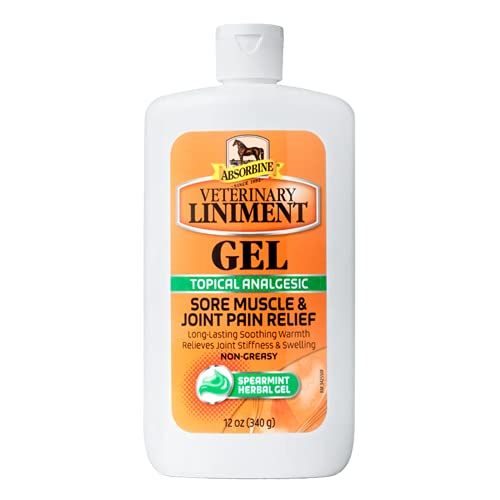
Absorbine Absorbine Veterinary Liniment Gel
A classic topical menthol rub for soothing sore, stiff muscles and joints after work

AniMed AniMed Pure MSM Supplement for Horses
Single-ingredient MSM, an affordable add-on many owners stack for joint comfort
The products above support comfort, but they are companions to veterinary care, not substitutes for it. Let's look at what is actually happening inside the joint.
What Arthritis Does to a Horse's Joints
A healthy joint is lined with smooth cartilage and bathed in synovial fluid, which together let bones glide with almost no friction. Over years of work, weight bearing, and old injuries, that cartilage gradually wears down. As it thins, the joint becomes inflamed, the synovial fluid thins out, and the body lays down rough new bone at the joint margins. Movement becomes stiff and painful, and the process slowly feeds on itself.
In horses, arthritis most often settles in the hocks, knees (carpus), fetlocks, pasterns, and coffin joints. Lower hock arthritis is so common it has its own name, bone spavin. Because the changes are gradual and often affect joints on both sides, the result is frequently a general stiffness or a shortened, choppy stride rather than a dramatic three-legged limp.
The Early Signs Owners Miss
Arthritis rarely announces itself. Watch for clusters of these changes rather than any single one.
- Stiffness or a short, pottery stride on the first few minutes out of the stall, easing as the horse warms up
- Taking noticeably longer to warm up under saddle, or feeling better at the end of a ride than the start
- Reluctance to pick up or hold a particular canter lead, or resisting tight turns and small circles
- Difficulty backing up, going downhill, or stepping over poles
- Trouble holding a leg up for the farrier, or fidgeting and leaning during shoeing
- A puffy, warm, or enlarged joint, sometimes with a bony lump
- A grumpier attitude, less willingness to work, or being slow to lie down and get up
If your horse is in its teens or older and showing several of these, schedule a lameness exam. Your vet can flex joints, watch the horse move, and use nerve blocks and X-rays to locate and grade the arthritis. A short phone video of your horse trotting on a hard surface is useful to bring along.
Veterinary Treatment Options
Arthritis treatment is built in layers, starting with anti-inflammatory pain control and adding joint-specific therapies as needed.
NSAIDs: Bute and Equioxx
Non-steroidal anti-inflammatory drugs are the backbone of arthritis pain relief in horses. Phenylbutazone, or bute, is effective and inexpensive but harder on the stomach and kidneys with long-term use, so it is often reserved for flare-ups. Equioxx (firocoxib) is a more joint-targeted NSAID that many vets prefer for daily, ongoing management because it tends to be gentler on the gut. Both are prescription drugs. Never combine NSAIDs or guess at doses, and tell your vet if your horse has a history of ulcers.
Joint Injections and Other Therapies
- Intra-articular injections: Corticosteroids and hyaluronic acid placed directly into a problem joint can give targeted, longer-lasting relief.
- IM joint products: Polysulfated glycosaminoglycan injections such as Adequan, and intravenous hyaluronic acid such as Legend, aim to support joint health systemically.
- Biologics: Therapies like IRAP, PRP, and pro-stride use the horse's own blood components to calm joint inflammation.
- Shockwave, laser, and rehab: Offered at many clinics for added, drug-free comfort.
Senior Horse Care Planner
Track your senior horse's vital signs, feed and body condition, farrier and dental schedule, medications, and quality of life, all in one printable planner.
Joint Supplements and Diet
Oral joint supplements work in the background. Glucosamine and chondroitin supply cartilage building blocks, MSM provides sulfur that supports comfort, and hyaluronic acid supports synovial fluid quality. None reverse damage, but used consistently for four to eight weeks many horses move a little more freely. Omega-3 fatty acids from flax or fish oil support a calmer inflammatory response too.
Weight matters enormously. Every extra pound loads already painful joints, so keeping an arthritic horse at a lean Henneke body condition score of around 5 is one of the most powerful comfort tools you have. Watch sugar and starch (NSC) intake, since many senior horses also have PPID or insulin issues that raise laminitis risk. A ration balancer or senior feed keeps nutrition complete without piling on calories.
Daily Management That Keeps Horses Comfortable
How you manage an arthritic horse day to day often matters more than any single product.
- Keep them moving: Steady turnout and gentle, regular exercise beat stall rest for most arthritic horses. Always warm up slowly and cool down properly.
- Good footing: Avoid deep, boggy, or rock-hard ground. Even, well-drained surfaces are kinder to sore joints.
- Farrier partnership: Regular trimming and balanced shoeing reduce strain on lower-limb joints. Tell your farrier which joints are sore so they can adjust their handling.
- Warmth and shelter: Cold, damp weather stiffens arthritic joints. A blanket in winter and a draft-free shelter help an older horse stay loose.
- Topical relief: A liniment or poultice after work can soothe tired muscles and joints, though it complements rather than replaces internal care.
The Long View
Arthritis is a marathon, not a sprint. The plan evolves as your horse ages, and the goal shifts from performance toward comfort and quality of life. Schedule a senior wellness exam at least once a year, twice if your horse has significant arthritis, so your vet can track joint comfort alongside teeth, weight, and conditions like PPID. With a steady combination of veterinary care, movement, weight control, and joint support, many arthritic horses stay sound enough for light riding or a happy retirement well into their twenties.
Horse people are often dog people too. The same manage-not-cure playbook, adapted for the living room, is laid out in our sister site's guide to arthritis in senior dogs.
This article is educational and complements, but does not replace, advice from your equine veterinarian and farrier. If you suspect your horse is in pain, a lameness exam is the right place to start.
Related Guides
- Signs of Arthritis in Horses - The subtle clues that point to sore joints.
- Best Joint Supplements for Senior Horses - Comparing glucosamine, chondroitin, MSM, and HA.
- Managing Arthritis in Senior Horses - A practical day-to-day plan.
- Exercise for Senior Horses - Why keeping them moving helps.
Editor's Pick · Affiliate link
Cosequin ASU for the Older Horse
The joint supplement with the most research behind it in horses, combining glucosamine and chondroitin with avocado and soybean unsaponifiables. Worth starting before an older horse is visibly stiff rather than after.
Frequently Asked Questions
How common is arthritis in older horses?
Degenerative joint disease is one of the leading causes of lameness in horses, and it becomes more likely with every passing year. By their late teens and twenties, the majority of horses show some degree of arthritic change, especially in the hocks, knees, fetlocks, and pasterns. Working and performance careers, old injuries, and conformation all add wear. If your horse is 15 or older and slowing down, arthritis is a reasonable thing to have your vet evaluate.
What are the first signs of arthritis in a senior horse?
Early signs are subtle: stiffness on the first few strides out of the stall, taking longer to warm up, reluctance to pick up a canter lead, a shortened stride, or trouble holding up a leg for the farrier. You may notice a puffy joint, heat, or a change in attitude. Many owners first describe it as the horse just looking older or moving stiff in the morning cold.
Can I give my horse bute for arthritis?
Phenylbutazone, commonly called bute, is a prescription NSAID that vets often use for equine arthritis pain. It works well but carries risks with long-term use, including stomach ulcers and kidney strain, so it should only be given under veterinary direction at the lowest effective dose. Equioxx (firocoxib) is a newer NSAID many vets prefer for daily, longer-term arthritis management because it is gentler on the gut. Never dose either drug on your own.
Do oral joint supplements actually help arthritic horses?
Joint supplements with glucosamine, chondroitin, MSM, and hyaluronic acid are supportive rather than curative. They will not rebuild worn cartilage, but many owners and vets see steadier comfort with consistent daily use over four to eight weeks. They work best as one part of a plan that also includes weight control, appropriate movement, good farrier work, and veterinary pain relief when needed, not as a stand-alone fix.
Should an arthritic horse be on stall rest or kept moving?
For most arthritic horses, gentle consistent movement is far better than confinement. Standing in a stall lets joints stiffen and muscle weaken, which makes the next ride or turnout harder. The goal is regular low-impact activity such as turnout, hand walking, and light schooling on good footing, with a proper warm-up. Your vet can help you find the right level, since horses with acute flare-ups or other issues sometimes need short rest.
When should I call the vet about my horse's stiffness?
Call your vet if lameness is sudden or severe, if a joint is hot and swollen, if your horse is non-weight-bearing, or if stiffness keeps getting worse despite rest. Also book a lameness exam if a once-comfortable horse now struggles daily. Sudden severe lameness can signal an abscess, fracture, or infected joint, which are urgent. A baseline exam also lets your vet grade the arthritis and build a plan.
Can arthritis in horses be cured?
No, arthritis cannot be cured or reversed, because the cartilage damage is permanent. It can, however, be managed well for years. The horses who do best have owners who combine veterinary care, sensible movement, healthy weight, good footing and farrier work, and joint support. Many arthritic horses stay comfortable and useful for light work well into their twenties with a thoughtful, consistent plan.
Need more help with your senior horse?
Browse our guides by topic to find practical solutions.
Wellness Planner: $39