Exercise for Senior Horses: Keep Them Moving
Why and how to keep an older horse moving: safe low-impact exercise, warm-ups, turnout, and adjusting work for arthritis, all to protect comfort and mobility.
One of the most helpful things you can do for an aging horse is keep it moving. It sounds counterintuitive when a horse is stiff or arthritic, but consistent gentle exercise does more good than rest for most seniors. Movement keeps joints lubricated, preserves muscle and topline, supports the gut and circulation, and helps manage weight. The horses that stay sound and happy into their twenties are almost always the ones who keep moving every day.
This guide covers how to exercise a senior horse safely: how much, what kind, why the warm-up matters so much, and how to adjust the work as arthritis and age progress. As always, build the plan with your equine vet, especially if your horse has arthritis, heart or lung concerns, PPID, or a laminitis history.
Helpful Gear for an Active Senior Horse
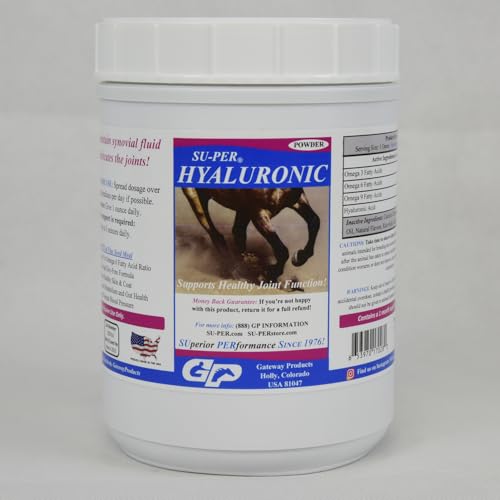
SU-PER SU-PER Hyaluronic Joint Supplement
Oral hyaluronic acid to support synovial fluid and smoother movement in a working senior horse

Vita Flex Vita Flex Thermaflex Liniment Gel
A warming liniment to loosen muscles before work and soothe them after

Equinety Equinety Ultimate OEC Omega Supplement
An omega-3 oil blend supporting a calm inflammatory response and recovery for active seniors
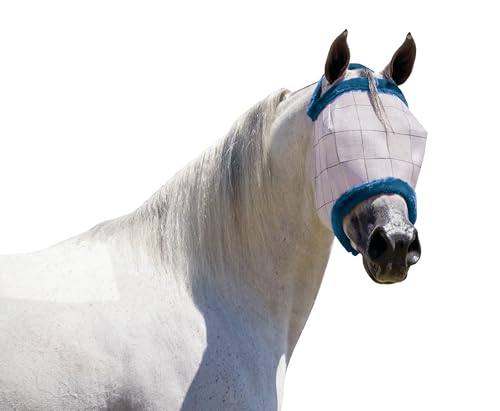
Farnam Farnam SuperMask II Fly Mask
Protect eyes and comfort so an older horse keeps moving in turnout rather than standing miserably
Why Movement Matters So Much
A joint is healthiest when it is used. Gentle movement circulates synovial fluid, which nourishes cartilage and keeps the joint lubricated, while the muscles and tendons that support each joint stay strong only if they are worked. When an older horse stands still for long stretches, joints stiffen, muscle wastes, the topline drops, and the gut slows down. The next outing then feels harder, which tempts owners to rest the horse more, and a downward spiral sets in.
Regular exercise breaks that cycle. It supports comfort, weight management, digestion, circulation, and mental wellbeing. For an arthritic horse in particular, steady low-impact activity is usually far better medicine than confinement.
How Much Exercise Does a Senior Horse Need?
There is no universal number, because it depends on your horse's joints, fitness, weight, and overall health. A practical target for many seniors is daily turnout plus some structured light work most days of the week, often 20 to 40 minutes of walking and gentle schooling. The right amount is the one your horse handles comfortably and recovers from well. Let its response, and your vet's input, guide you, and increase or decrease gradually rather than in big jumps.
The Best Kinds of Exercise
- Turnout: Free movement around a paddock on good footing is the foundation. Aim for as much as is safe, ideally most of the day.
- Walking: Long walks under saddle or in hand are the gentlest, most joint-friendly work there is, and they build fitness without pounding.
- Hacking out: Quiet trail rides at the walk, with gentle hills in moderation, keep work interesting and build strength.
- Ground poles: Walking over poles encourages a horse to lift its feet, use its core, and stay coordinated.
- Light schooling: Straight lines and large, gentle curves, with brief trot work, keep a horse supple without stressing joints.
What to avoid: hard pounding, tight repetitive circles, deep or rock-hard footing, sudden speed on a cold horse, and long sessions that leave the horse sore the next day.
Senior Horse Care Planner
Track your senior horse's vital signs, feed and body condition, farrier and dental schedule, medications, and quality of life, all in one printable planner.
Warm Up Slowly, Cool Down Properly
Arthritic joints are stiff when cold and loosen as they move, so the warm-up is not optional for a senior horse. Begin with at least ten to fifteen minutes of walking before any trot work, and give even longer on cold days. This lets the synovial fluid circulate and the muscles prepare, which prevents strains and reduces post-work soreness. Finish every session with an unhurried cool-down walk so the horse comes back to rest gradually. A warming liniment before work and a soothing one after can support the muscles, though they complement rather than replace a proper warm-up.
Adjusting Work as Your Horse Ages
The plan should evolve. As arthritis advances, most horses gradually step down from harder work toward lighter riding and eventually a gentle retirement. Pay attention to recovery: a horse that is sore the day after a session is telling you it did too much. Shorten the work, lower the intensity, and lean more on walking and turnout. Cold, damp weather calls for longer warm-ups and often a blanket, since stiffness is worse when joints are chilled.
Exercise for the Retired Horse
Retirement from riding does not mean a sedentary life. A retired horse still benefits enormously from daily turnout and free movement, which keeps joints mobile and muscle on the frame, and many enjoy gentle hand walking or in-hand work. The goal simply shifts from building fitness to keeping the body comfortably in motion. Movement remains valuable right through old age.
When to Pull Back and Call the Vet
Exercise should make a horse feel better, not worse. If your horse stays lame after warming up, gets worse during work, seems reluctant in a new way, or is sore for a day or more afterward, stop and talk to your vet rather than pushing through. Horses with arthritis flare-ups, foot pain, heart or lung issues, or metabolic conditions need a tailored plan. Used wisely, exercise is one of the kindest and most powerful tools you have for keeping a senior horse comfortable and mobile.
This article is educational and does not replace advice from your equine veterinarian, who should help you set the right level of work for your individual horse.
Related Guides
- Managing Arthritis in Senior Horses - Fitting exercise into a full plan.
- Arthritis in Senior Horses - The overview of signs and treatment.
- Best Liniments for Horses - Warm-up and recovery topicals.
Editor's Pick · Affiliate link
Cosequin ASU for the Older Horse
The joint supplement with the most research behind it in horses, combining glucosamine and chondroitin with avocado and soybean unsaponifiables. Worth starting before an older horse is visibly stiff rather than after.
Frequently Asked Questions
Should an old horse still be exercised?
Yes. Unless your vet has told you otherwise, regular gentle exercise is one of the best things for a senior horse. Movement keeps joints lubricated, maintains muscle and topline, supports digestion and circulation, and helps manage weight. Horses left standing in a stall stiffen up and lose condition. The goal is not hard work but consistent, low-impact activity matched to the individual horse's comfort and health.
How much exercise does a senior horse need?
Most senior horses do best with daily movement, ideally a combination of turnout plus some structured light work several times a week. There is no single number, because it depends on the horse's arthritis, heart and lung health, weight, and fitness. A common pattern is plenty of turnout plus 20 to 40 minutes of walking and gentle work most days. Let your horse's response and your vet guide the amount.
What kind of exercise is best for an arthritic horse?
Low-impact, steady work on good footing is best: lots of walking, gentle hill work in moderation, ground poles, and light schooling with plenty of straight lines and large gentle curves. Hand walking, hacking out at the walk, and turnout all count. Avoid hard pounding, tight repetitive circles, deep or rock-hard footing, and sudden bursts of speed on a cold horse.
Why is warming up so important for older horses?
Arthritic joints are stiff when cold and loosen with gentle movement, so a slow warm-up lets the synovial fluid circulate and the muscles prepare before you ask for anything more. Skipping the warm-up or starting fast risks strains and makes the horse sore. Aim for at least ten to fifteen minutes of walking before trot work, longer on cold days, and finish with an unhurried cool-down.
Can a retired horse skip exercise entirely?
Retirement from riding does not mean a sedentary life. A retired horse still benefits enormously from daily turnout and free movement, which keeps joints mobile, muscle on the frame, and the gut working. Many retired horses also enjoy gentle hand walking or in-hand work. The aim shifts from fitness to simply keeping the body moving comfortably, but movement itself stays important right through old age.
How do I exercise a horse that is stiff and sore?
Start with a long, gentle warm-up and keep the session short and low-impact, on even footing. Some horses are most comfortable after they have moved and warmed out of the initial stiffness, so a few minutes of walking before deciding how much to do is wise. If a horse stays lame after warming up, or worsens, stop and consult your vet, since pushing through real lameness can do harm.
Does exercise help a senior horse's weight and metabolism?
It can help, but diet does most of the heavy lifting. Gentle exercise supports a healthy weight, muscle tone, and circulation, which matters for older horses prone to weight and metabolic issues. However, horses with PPID or insulin dysregulation, and any with laminitis history, need a careful plan, because exercise must be balanced against hoof comfort and sugar intake. Coordinate weight and exercise plans with your vet.
Need more help with your senior horse?
Browse our guides by topic to find practical solutions.
Wellness Planner: $39