Signs of Arthritis in Horses: What to Watch For
Learn the early and subtle signs of arthritis in horses, from morning stiffness and shortened stride to puffy joints and attitude changes, and when to call the vet.
Arthritis rarely arrives with a dramatic limp. In horses it usually creeps in as a slow loss of freedom in the way they move, and the earliest signs are so easy to dismiss that many horses are well into the disease before anyone calls the vet. Learning to read those subtle clues lets you start a comfort plan early, while it can do the most good.
This guide is a practical checklist of what arthritis looks like in a horse, from the first hints of morning stiffness to the joints and behaviors worth watching. Use it to decide when it is time for a lameness exam, and remember that catching arthritis early gives your horse the best shot at staying comfortable for years.
Support Once Arthritis Is Suspected

Nutramax Cosequin ASU Joint Health Supplement for Horses
A trusted daily glucosamine, chondroitin, and MSM powder to support joints once arthritis is suspected

SmartEquine Devil's Claw Plus Pellets
A herbal blend some owners use for everyday stiffness once a vet has confirmed the cause
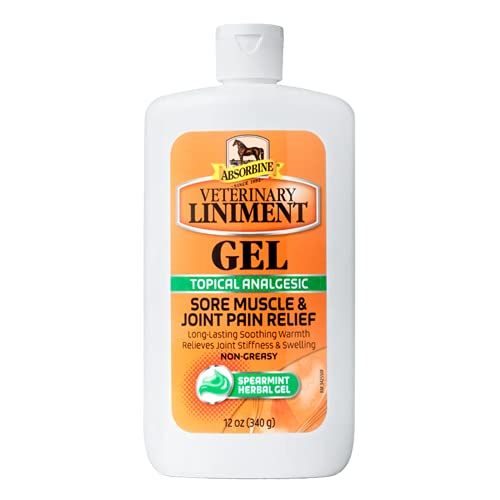
Absorbine Absorbine Veterinary Liniment Gel
A soothing topical rub for the stiff, sore muscles that often accompany early arthritis
Before reaching for any product, the first step is recognizing the signs and getting a proper diagnosis. Here is what to look for.
Changes in How Your Horse Moves
Movement is where arthritis shows up first. Watch for these patterns, especially when several appear together.
- Morning or cold stiffness: A short, pottery stride on the first minutes out of the stall that loosens with warm-up. This warm-up-and-improve pattern is a hallmark of joint arthritis.
- Longer warm-up under saddle: The horse feels better at the end of a ride than at the start, and needs more time to feel free.
- Shortened, choppy stride: A subtle loss of reach and swing in the gait, sometimes on both sides rather than one obvious lame leg.
- Trouble with specific movements: Reluctance to pick up a canter lead, resistance to tight turns or small circles, hollowing or hopping into transitions, or difficulty backing up.
- Trouble going downhill: Hesitation or care on descents, which load the lower joints.
Signs You Can See and Feel
Run your hands down your horse's legs regularly so you learn what normal feels like. Then watch for changes.
- A joint that feels puffy, warm, or larger than its partner on the other leg
- A firm bony swelling over time, such as on the front of the hock (bone spavin) or around the pastern and coffin joint (ringbone)
- Heat in a joint after work, or filling that does not go down with normal turnout
- Uneven muscle development as the horse protects a sore limb
- Worn or unevenly worn hooves from a changed way of going
Keep in mind that not every arthritic joint looks abnormal from the outside, which is exactly why a veterinary exam matters.
Senior Horse Care Planner
Track your senior horse's vital signs, feed and body condition, farrier and dental schedule, medications, and quality of life, all in one printable planner.
Behavior and Handling Changes
Pain frequently shows up as attitude, and in older horses it is easy to mistake for laziness or stubbornness. Watch for these shifts in a previously willing horse.
- New grumpiness, pinned ears, or tail swishing when asked to work
- Difficulty holding a leg up for the farrier, fidgeting, or leaning during shoeing
- Being slow or reluctant to lie down and get back up
- Standing camped out, shifting weight, or resting a particular leg more than usual
- Bucking, refusing, or other resistance that appears consistently with certain movements
The key word is consistency. A horse that repeatedly resists the same thing, and warms out of it, is more likely in pain than simply being naughty.
The Hocks, Fetlocks, and Other Common Sites
Arthritis can affect any joint, but some are far more common in older horses. The lower hock joints are a frequent culprit, producing bone spavin and a characteristic difficulty with collection, downhill work, and tight turns. The fetlocks, pasterns (ringbone), knees, and coffin joints are also common sites. Knowing the usual locations helps you describe what you are seeing to your vet, but pinpointing the exact joint is a job for flexion tests, nerve blocks, and X-rays.
When to Call Your Veterinarian
Book a lameness exam if your older horse shows several of the signs above, if stiffness is getting worse over weeks, or if a once-comfortable horse now struggles daily. Call urgently for sudden severe lameness, a hot and swollen joint, or a horse that will not bear weight, since those can signal an abscess, fracture, or infected joint rather than chronic arthritis.
A baseline exam does two important things: it confirms arthritis and rules out other causes of stiffness, and it lets your vet grade the disease so you can build the right plan. Bring a short phone video of your horse trotting on a hard surface and note which conditions make things better or worse.
What Comes Next
Once arthritis is confirmed, treatment is built in layers: weight control, sensible movement, good farrier work, joint supplements, and veterinary pain relief such as Equioxx, bute, or joint injections when needed. Catching the signs early means you can start that plan sooner and keep your horse moving comfortably for longer.
This article is educational and does not replace a lameness exam from your equine veterinarian.
Related Guides
- Arthritis in Senior Horses - Signs, treatment, and management.
- Senior Horse Stumbling - When stumbling points to joints, feet, or something else.
- Best Joint Supplements for Senior Horses - Building blocks for aging joints.
Editor's Pick · Affiliate link
Cosequin ASU for the Older Horse
The joint supplement with the most research behind it in horses, combining glucosamine and chondroitin with avocado and soybean unsaponifiables. Worth starting before an older horse is visibly stiff rather than after.
Frequently Asked Questions
What is usually the very first sign of arthritis in a horse?
For most horses it is stiffness on the first few minutes out of the stall or at the start of a ride, which eases as the horse warms up. Owners often describe a short, pottery stride early on that loosens with movement. Because it improves with warm-up, it is easy to dismiss, but that warm-up-and-improve pattern is one of the most classic early signs of joint arthritis.
Can a horse have arthritis without limping?
Yes, and it is common. Arthritis often affects matching joints on both sides, so instead of a clear one-legged limp the horse shows general stiffness, a shortened choppy stride, reluctance to work, or trouble with specific movements like tight turns or backing. A subtle, even loss of freedom in the gait can be arthritis even when no single leg looks obviously lame.
How can I tell arthritis stiffness from laziness or bad behavior?
Pain often masquerades as attitude. Watch for consistency: an arthritic horse tends to resist the same things repeatedly, such as one canter lead, downhill ground, tight circles, or holding a leg for the farrier, and tends to warm up out of it. New grumpiness, bucking, or refusals in a previously willing older horse deserve a lameness exam before they are written off as behavior.
What does arthritis look like in a horse's legs?
You may see or feel a joint that is puffy, warm, or enlarged, and over time some joints develop a firm bony swelling, such as on the front of the hock with bone spavin or around the pastern with ringbone. Not every arthritic joint looks abnormal from the outside, though, which is why a vet may use flexion tests, nerve blocks, and X-rays to confirm.
Does cold or damp weather make arthritis signs worse?
Yes. Cold, wet conditions typically stiffen arthritic joints, so signs often look worse on a chilly morning and ease as the day warms and the horse moves. Many owners notice their horse is noticeably more stiff in winter. Blanketing in cold weather, a draft-free shelter, and a longer warm-up all help reduce that weather-related stiffness.
At what age should I start watching for arthritis?
Start paying attention in the early to mid teens, and earlier for horses with hard work histories, old injuries, or conformation that loads certain joints. Arthritis is progressive, so the sooner you catch it, the sooner you can put a comfort plan in place. By the late teens and twenties, some arthritic change is common, so any new stiffness in an older horse is worth a conversation with your vet.
Should I get a vet exam or just start a supplement?
Get the exam first. A lameness exam lets your vet pinpoint which joints are involved, rule out other causes of stiffness like hoof problems or neurological issues, and grade how advanced the arthritis is. That diagnosis shapes the whole plan, including whether NSAIDs or joint injections are warranted. A supplement is a reasonable long-term layer, but it should not replace knowing what you are actually treating.
Need more help with your senior horse?
Browse our guides by topic to find practical solutions.
Wellness Planner: $39