Why Is My Senior Horse a Picky Eater?
A fussy older horse usually has a reason: dental discomfort, ulcers, or palatability. Learn the causes, how to tempt appetite, and when picky eating needs a vet and dental exam.
When a senior horse becomes a picky eater, the most common reasons are dental discomfort, gastric ulcers, and mild pain or illness, with palatability and feed changes also playing a part. Worn or sharp teeth, a sore mouth, or a tender stomach make a horse pick at feed, leave grain, or eat slowly. A new or sudden change in eating habits, especially with weight loss, is worth a veterinary and dental check rather than chalking it up to fussiness.
Unlike a horse that flatly refuses to eat, a picky eater still eats, just selectively or slowly, which gives you a little breathing room to work out why. But pickiness in an older horse is rarely pure stubbornness. More often the horse is quietly telling you that something makes eating less comfortable than it used to be. This guide helps you find the reason and make mealtimes appealing again.
Palatable Feeds to Tempt a Fussy Senior

Purina Active Senior Horse Feed
Palatable, easy-to-digest feed designed to tempt older horses

Formula 707 Digestive Health Probiotic
Supports gut comfort and appetite in fussy seniors

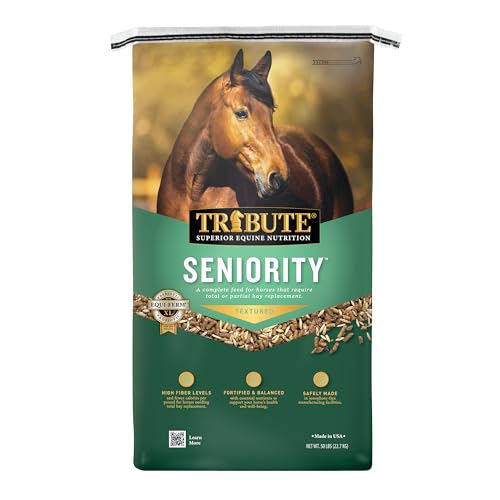
Soft, palatable feeds make eating easier and more appealing, but if your horse only became picky recently, find out why with your vet and an equine dentist first. Pickiness is frequently a comfort problem, not a taste problem.
Why Older Horses Turn Fussy
Dental Discomfort
Dental disease is one of the leading reasons seniors become picky. Sharp enamel points, loose or missing teeth, and painful conditions like EOTRH make chewing hurt, so the horse hesitates, quids out half-chewed hay, eats slowly, packs feed in its cheeks, or prefers soft feed over coarse hay. A dental exam with a speculum and regular floating often restore appetite. See our guide to senior horse dental care.
Gastric Ulcers
Ulcers commonly cause a selective appetite, particularly a reluctance to finish grain, often alongside mild recurring colic, a dull attitude, and slow weight loss. Stress and gaps without forage contribute. Diagnosis is by gastroscopy, and treatment with omeprazole plus a forage-first routine usually helps. See gastric ulcers in horses.
Pain and Illness
A horse that is sore, whether from arthritis or laminitis, or one that feels generally unwell from low-grade illness or PPID, may eat less enthusiastically. This is why persistent pickiness with other signs deserves a proper exam. See signs a senior horse is in pain.
Palatability and Feed Changes
Sometimes the feed really is the issue. Horses can be genuinely fussy about taste, texture, and smell, and a new feed, a different hay batch, or a strong-tasting supplement can put a sensitive horse off. Abrupt changes make it worse. Introduce new feeds slowly and mask strong supplements in something palatable.
Making Mealtimes Appealing Again
| Strategy | How It Helps |
|---|---|
| Soaked, soft feeds | Easier and more comfortable to chew |
| Warm mash | More palatable, especially in cold weather |
| Small, frequent meals | Less overwhelming, steadier intake |
| Calm, separate feeding | Removes competition and stress |
| Gradual feed changes | Prevents taste rejection and gut upset |
Senior Horse Care Planner
Track your senior horse's vital signs, feed and body condition, farrier and dental schedule, medications, and quality of life, all in one printable planner.
When Pickiness Needs the Vet
Book a veterinary and dental exam if the pickiness is new, persistent, or paired with weight loss, quidding, drooling, mild colic signs, or a dull attitude. These point toward dental disease, ulcers, or another treatable cause rather than simple fussiness. Your vet can examine the mouth with a speculum, assess for ulcers, and run bloodwork if warranted, while an equine dentist addresses any dental problems found.
If your horse has gone beyond fussiness and is refusing feed entirely, treat that as more urgent and read our companion guide on the senior horse that won't eat. For most picky seniors, though, the path is straightforward: rule out pain, make feed soft, palatable, and easy to chew, feed calmly and gradually, and keep an eye on weight. With the cause addressed and mealtimes made comfortable, the great majority of fussy older horses return to eating well, supported by your own vet and dentist.
Editor's Pick · Affiliate link
Cosequin ASU for the Older Horse
The joint supplement with the most research behind it in horses, combining glucosamine and chondroitin with avocado and soybean unsaponifiables. Worth starting before an older horse is visibly stiff rather than after.
Frequently Asked Questions
Why is my senior horse suddenly a picky eater?
When an older horse becomes fussy about feed, the most common reasons are dental discomfort that makes chewing unpleasant, gastric ulcers that blunt appetite, and mild pain or illness. Worn or sharp teeth, a sore mouth, or a tender stomach all make a horse pick at feed, leave grain, or eat slowly. Pickiness can also be behavioral, tied to feed changes, palatability, or stress. A new or sudden change in eating habits is worth a veterinary and dental check.
Is picky eating different from not eating at all?
Yes, and the distinction matters. A picky eater still eats but is selective, slow, or leaves part of the meal, which gives you a little time to investigate the cause. A horse that refuses all food and water, or wants to eat but cannot swallow, is a potential emergency that needs the vet right away. Persistent pickiness in a senior, especially with weight loss or other signs, still deserves attention, but it is usually less immediately urgent than total refusal.
Could dental problems make my horse fussy about feed?
Very often, yes. Dental disease is one of the leading reasons older horses become picky. Sharp enamel points, loose or missing teeth, and painful conditions such as EOTRH make chewing uncomfortable, so the horse hesitates, quids, eats slowly, or prefers soft feed over hay. A horse that drops feed, tilts its head, or packs feed in its cheeks is signaling mouth pain. A dental exam and regular floating frequently restore a hearty appetite.
Can ulcers make a horse picky about grain?
Yes. Equine gastric ulcers commonly cause a selective or reduced appetite, especially a reluctance to finish grain, sometimes with mild recurring colic, a dull attitude, and gradual weight loss. Stress, stall confinement, and gaps without forage all contribute to ulcers. Diagnosis is by gastroscopy, and treatment with omeprazole alongside a forage-first, low-stress routine usually returns the appetite. Suspect ulcers in a picky senior that has no obvious dental cause.
How do I make feed more appealing to a fussy senior?
Once your vet has ruled out pain, offer soft, soaked, easy-to-chew feeds such as a warm mash of senior feed or soaked beet pulp, which many older horses find more palatable than dry feed or coarse hay. Feed small, frequent meals, keep feed fresh, and try gentle flavor enhancers like a little soaked grass or molasses-free additions if appropriate. Reduce competition from herdmates and feed in a calm setting. Introduce any new feed gradually.
Could my horse just dislike a new feed?
Yes, palatability and abrupt changes matter. Horses can be genuinely fussy about taste, texture, and smell, and a new feed, a different batch of hay, or an added supplement can put a sensitive horse off its meal. Introduce changes slowly over a week or more, mixing the new feed gradually into the old, and mask strong-tasting supplements in something palatable. If a horse only became picky right after a feed change, the feed itself may simply be the issue.
When should picky eating prompt a vet visit?
Book a vet and dental exam if the pickiness is new, persistent, or paired with weight loss, quidding, drooling, mild colic signs, or a dull attitude. These point toward dental disease, ulcers, or another treatable problem rather than simple fussiness. Your vet can examine the mouth with a speculum, assess for ulcers, and run bloodwork if needed. Catching a dental or medical cause early prevents weight loss and keeps your senior eating well.
Need more help with your senior horse?
Browse our guides by topic to find practical solutions.
Wellness Planner: $39