Signs a Senior Horse Is in Pain
Horses hide pain. Learn the subtle signs in older horses: the equine pain face, behavior changes, posture, and when discomfort becomes an emergency.
Horses are masters at hiding pain. As prey animals, they evolved to conceal weakness, because in the wild an animal that looks injured becomes a target. That instinct does not switch off in the safety of a barn, which means a senior horse can be genuinely uncomfortable while still eating, still standing quietly, and still doing its best to carry on. Reading the subtle signals of equine pain is one of the most valuable skills an owner of an older horse can develop.
The earlier you recognize discomfort, the sooner you can find and treat its cause, whether that is arthritis, a dental problem, a sore foot, or an internal issue. This guide covers the facial, postural, and behavioral signs of pain in horses, the difference between chronic discomfort and an emergency, and how to keep an aging horse comfortable. It is educational and meant to support, not replace, your veterinarian's assessment.
Comfort and Monitoring Aids


Cosequin Joint Health Supplement
Glucosamine and chondroitin support for arthritic senior horses

Vita Flex Thermaflex Liniment Gel
Warming gel to ease muscle and joint soreness
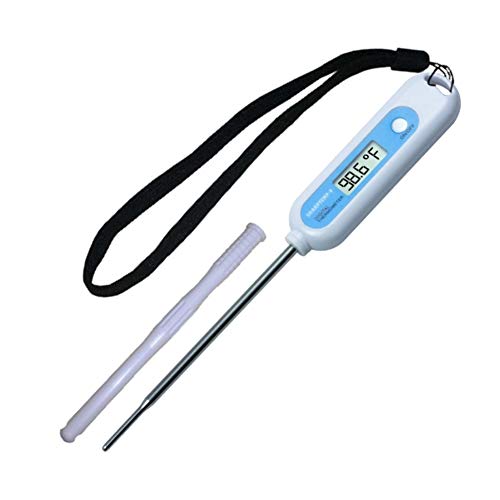
RJ Veterinary Digital Thermometer
Check temperature quickly when you suspect a horse feels unwell
These aids support a comfortable senior horse, but they do not diagnose the cause of pain. If your horse shows signs of discomfort, the right first step is a veterinary exam to find and treat the source.
Why Horses Hide Pain
Understanding the prey-animal instinct reframes how you watch your horse. A horse will not usually cry out or limp dramatically until pain is significant. Instead it makes small adjustments: a slightly tense face, a moment's hesitation, a little less interest in its surroundings. The owner who knows their horse's normal expression, posture, and habits is the one who notices these shifts first. That familiarity is your most powerful diagnostic tool.
Reading the Equine Pain Face
Researchers have shown that horses display measurable facial changes when in pain, captured in the horse grimace scale or equine pain face. Learn to read these features:
- Ears held stiffly back or to the sides, rather than relaxed and mobile
- Tension above the eyes, with a strained, worried, or partly closed look
- Tightened muscles around the eyes and muzzle
- Flared, squared nostrils
- A tense, angular chin and tight lips
None of these alone proves pain, but a face that holds several of them, especially compared with the horse's relaxed normal, is a meaningful warning.
Postural and Movement Signs
- Reluctance to move, or a stiff, careful, shortened stride
- Shifting weight repeatedly or pointing a foot
- A rocked-back stance, a classic laminitis sign
- Lying down much more, or struggling and refusing to lie down at all
- A hunched or tucked-up posture, or an unwillingness to bear weight evenly
- Trembling, sweating, or a tucked tail when at rest
Behavioral Changes
Often the first clue is a change in personality or routine. A willing horse that starts pinning its ears at the girth, resisting the saddle, or refusing fences may be hurting rather than misbehaving. A sociable horse that becomes withdrawn, stands at the back of the stall, or stops interacting with the herd is worth a closer look. Other behavioral signs include new grumpiness when groomed or handled, pawing, teeth grinding, restlessness, and changes in eating and drinking. Labeling these as the horse being naughty or just getting old can let a treatable problem slide.
| Category | Signs to Watch |
|---|---|
| Facial | Ears back, tense eyes, flared nostrils, tight chin |
| Postural | Stiffness, weight shifting, rocked-back stance, lying down more |
| Behavioral | Withdrawal, irritability, resistance under saddle, off feed |
| Emergency | Violent rolling, non-weight-bearing leg, severe distress |
Senior Horse Care Planner
Track your senior horse's vital signs, feed and body condition, farrier and dental schedule, medications, and quality of life, all in one printable planner.
Common Sources of Pain in Older Horses
In senior horses, several familiar culprits drive discomfort, often more than one at a time. Arthritis and joint disease, particularly in the hocks, knees, and back, are nearly universal with age. Dental pain from sharp points or loose teeth, hoof problems including laminitis and abscesses, and gastric ulcers all hurt in ways the horse hides. Chronic conditions like PPID raise laminitis risk, and old injuries or eye problems add to the picture. Because these overlap, a veterinary assessment is the way to pinpoint and prioritize the sources of pain. Our guides to laminitis and gastric ulcers cover two of the most important.
When Pain Is an Emergency
Some pain cannot wait. Call your veterinarian immediately for violent rolling or thrashing, profuse sweating, a horse that is down and cannot rise, a leg the horse will not bear weight on, severe colic signs, or acute laminitis with the horse rocked back and refusing to move. In these situations, quick treatment can be critical, and a phone call is always the right move over a wait-and-see approach.
Keeping a Senior Horse Comfortable
For ongoing, chronic pain such as arthritis, comfort comes from a layered plan: veterinary pain management used wisely, joint supplements and injections where appropriate, regular farrier care, gentle and consistent exercise to keep joints mobile, soft footing and generous bedding, weight control to lighten the load on tired joints, and warmth or topical liniments for sore muscles. Avoid reaching for bute on your own, since long-term anti-inflammatory use carries real risks in older horses and can mask a problem that needs diagnosing. Built thoughtfully with your veterinarian, a comfort plan lets many senior horses stay content, mobile, and engaged for years.
Related Senior Horse Health Guides
- Laminitis in Senior Horses - A painful hoof emergency to recognize fast.
- Gastric Ulcers in Horses - A hidden source of discomfort and irritability.
- Common Health Problems in Senior Horses - An overview of aging-horse conditions.
Editor's Pick · Affiliate link
Cosequin ASU for the Older Horse
The joint supplement with the most research behind it in horses, combining glucosamine and chondroitin with avocado and soybean unsaponifiables. Worth starting before an older horse is visibly stiff rather than after.
Frequently Asked Questions
How can I tell if my senior horse is in pain?
Horses are prey animals that instinctively hide pain, so the signs are often subtle. Watch for changes from your horse's normal: a tense or withdrawn expression, reluctance to move, shifting weight, lying down more or less than usual, going off feed, a drop in performance, irritability when handled or saddled, and changes in posture or facial expression. Because horses mask discomfort, any persistent change in behavior or routine deserves attention and, when in doubt, a veterinary exam.
What is the horse grimace scale?
The horse grimace scale, also called the equine pain face, is a research-based tool that reads pain from facial expression. Pain-related features include stiffly backward or sideways ears, tension above the eyes with a strained, partly closed look, tightened muscles around the eyes and muzzle, flared nostrils, and a tense, square chin. Learning to read these subtle facial cues helps owners recognize discomfort earlier than waiting for obvious limping or distress, especially in stoic older horses.
What are subtle behavioral signs of pain in horses?
Subtle behavioral signs include becoming withdrawn or standing at the back of the stall, reduced interaction with other horses or people, new grumpiness when groomed, tacked up, or asked to work, reluctance to lie down or get up, pawing, teeth grinding, restlessness, and changes in eating or drinking. A normally willing horse that starts resisting, or a sociable horse that becomes dull and quiet, may well be telling you something hurts.
What are common sources of pain in older horses?
Common pain sources in senior horses include arthritis and joint disease, especially in the hocks, knees, and back, dental pain from sharp points or loose teeth, hoof problems including laminitis and abscesses, gastric ulcers, and chronic conditions like PPID that bring on laminitis. Eye problems, old injuries, and muscle soreness also contribute. Because several of these can occur at once in an aging horse, a thorough veterinary assessment helps pinpoint the source.
Should I give my horse bute for pain?
Phenylbutazone, or bute, and other anti-inflammatories can be very helpful, but they should be used under veterinary direction rather than reached for routinely. They carry real risks with long-term use, including gastric ulcers and kidney effects, particularly in older horses. Your vet can diagnose the source of pain, choose the safest medication and dose, and combine it with other measures. Masking pain without finding its cause can also let a treatable problem progress unseen.
How do I know if my horse's pain is an emergency?
Severe or sudden pain is an emergency. Signs include violent rolling or thrashing, profuse sweating, a horse down and unable to rise, a non-weight-bearing leg, severe colic signs, or rapid breathing with obvious distress. Acute laminitis, with a horse rocked back and refusing to move, also needs immediate help. In any of these cases, call your veterinarian right away rather than waiting, as quick treatment can be critical to the outcome.
Can I make a horse in chronic pain more comfortable?
Yes. For chronic pain such as arthritis, a combination of approaches works best: veterinary pain management, joint supplements and injections where appropriate, regular farrier care, gentle consistent exercise to keep joints mobile, soft footing and good bedding, weight management to reduce load, and warmth or topical liniments for sore muscles. Working with your vet to build a tailored plan keeps many older horses comfortable and content well into their senior years.
Need more help with your senior horse?
Browse our guides by topic to find practical solutions.
Wellness Planner: $39