Gastric Ulcers in Horses (EGUS)
A guide to equine gastric ulcer syndrome: signs, why ulcers form, gastroscopy diagnosis, omeprazole treatment, forage-first management, and gut support supplements.
Gastric ulcers are one of the most common and most underappreciated problems in horses. Studies have found ulcers in a large share of performance horses, but they are far from limited to athletes. Pleasure horses, broodmares, and senior horses develop them too, often quietly, showing nothing more than a picky appetite, a little weight loss, or a slightly sour attitude.
Because the signs are so easy to miss, ulcers often go unrecognized for a long time. The encouraging part is that equine gastric ulcer syndrome, or EGUS, is both diagnosable and very treatable once you know to look for it. This guide explains what ulcers are, why they form, how they are diagnosed and treated, and how to manage your horse's stomach for the long term. It is educational and meant to complement your veterinarian's care.
Gut and Gastric Support Supplements

Redmond Daily Gold Stress Relief
Natural mineral clay marketed to support digestive and stomach comfort
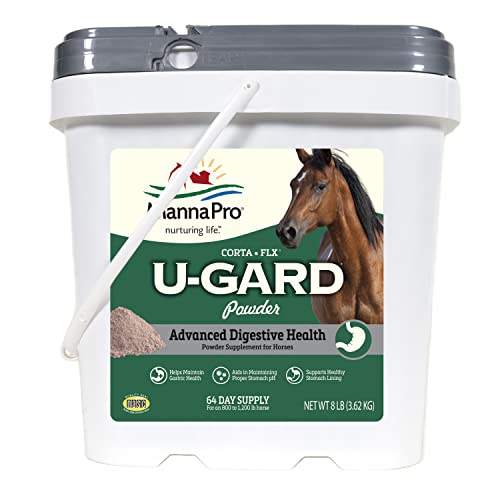
Manna Pro U-Gard Gastric Support Powder
Buffering digestive supplement to help maintain gastric health

MagnaGard Gastric Support with Magnesium
Magnesium-based calming and gastric support blend

Formula 707 Digestive Health Probiotic
Probiotics and prebiotics to support overall gut function
These supplements support gastric comfort and overall gut health, but an active ulcer needs veterinary diagnosis and acid-suppressing medication. Think of supplements as part of long-term management, not a cure for an established ulcer.
Why Horses Get Ulcers
The horse evolved as a continuous grazer, trickle-feeding fibrous grass for most of the day. To match that lifestyle, the equine stomach secretes acid around the clock, whether or not there is food in it. Constant chewing of forage produces saliva, a natural buffer, and keeps a protective mat of fiber over the sensitive upper stomach.
Modern management breaks this design. When horses go for hours without forage, acid pools against the unprotected upper squamous lining and burns it, forming ulcers. Add large grain meals, stall confinement, intense exercise that splashes acid upward, transport, and stress, and the risk climbs. Senior horses face these same pressures, and dental pain that reduces chewing only adds to the problem.
Recognizing the Signs
Ulcers rarely announce themselves loudly. Watch for a cluster of subtle changes:
- A picky, reduced, or slow appetite, especially leaving grain
- Gradual weight loss and a dull, rough coat
- Mild, recurring colic, often after eating
- Girthiness or flinching when the flank or girth area is touched
- Irritability, resistance under saddle, or a drop in performance
- Teeth grinding or lying down more than usual
Because these signs overlap with many conditions, they point toward ulcers but do not prove them.
Diagnosis: Looking Inside
The only definitive way to diagnose gastric ulcers is gastroscopy. After the horse is fasted, your veterinarian passes a long flexible camera through the nose into the stomach to see the lining directly, grade any ulcers, and note whether they are in the squamous or glandular region. This distinction matters because the two types can respond differently to treatment. Gastroscopy also lets your vet recheck healing after a treatment course.
Treatment That Works
The cornerstone of treatment is omeprazole, a proton pump inhibitor that strongly suppresses acid production so the lining can heal. Given once daily for several weeks, it heals the majority of squamous ulcers. Glandular ulcers, which sit in the lower acid-producing region, can be more stubborn and may need added medications such as sucralfate or misoprostol under veterinary guidance.
Medication alone, however, is only half the answer. Without changing the management that caused the ulcers, they tend to return once treatment stops. The lasting fix combines healing the stomach with removing the pressures that damaged it.
| Management Step | How It Protects the Stomach |
|---|---|
| Constant forage access | Saliva buffers acid; fiber mat shields the lining |
| Feed hay before grain or work | Reduces acid splashing onto the upper stomach |
| Limit large grain meals | Lowers acid production and fermentation stress |
| Include alfalfa | Provides natural calcium buffering |
| More turnout, less stress | Reduces a major ulcer trigger |
Senior Horse Care Planner
Track your senior horse's vital signs, feed and body condition, farrier and dental schedule, medications, and quality of life, all in one printable planner.
Feeding to Heal and Prevent
Diet is your most powerful long-term tool. Aim for forage in front of your horse as much of the day as possible, using slow feeders or small-hole hay nets to stretch eating time without overfeeding. Feed hay before grain and before exercise so the stomach is never empty and acidic when work splashes it around. Keep grain meals small and infrequent, and consider adding alfalfa for its buffering calcium. For senior horses, make sure dental problems are not quietly cutting forage intake, since a horse that cannot chew hay loses this natural protection.
Keeping Ulcers From Returning
Ulcers recur when the underlying causes return, so prevention is really a way of life rather than a one-time fix. Maintain constant forage, minimize stress, limit grain, and maximize turnout. For horses facing unavoidable stress such as travel, competition, or a change of home, talk with your veterinarian about short-term protective support during those windows. A healed stomach kept in a forage-first, low-stress routine usually stays healthy, letting your horse eat well, hold weight, and feel comfortable in its work.
Related Senior Horse Health Guides
- Colic in Senior Horses - Another cause of equine abdominal pain to know.
- Weight Loss in Senior Horses - Ulcers are one of many reasons an older horse loses condition.
- Common Health Problems in Senior Horses - An overview of aging-horse conditions.
Editor's Pick · Affiliate link
Cosequin ASU for the Older Horse
The joint supplement with the most research behind it in horses, combining glucosamine and chondroitin with avocado and soybean unsaponifiables. Worth starting before an older horse is visibly stiff rather than after.
Frequently Asked Questions
What are gastric ulcers in horses?
Gastric ulcers, formally equine gastric ulcer syndrome or EGUS, are erosions in the lining of the stomach. The horse's stomach produces acid continuously, and ulcers form when that acid contacts unprotected tissue, most often the upper squamous region near the junction with the lower glandular region. Ulcers are extremely common, affecting performance horses heavily but also pleasure and senior horses. They cause pain, poor appetite, and weight loss, and they respond well to treatment once diagnosed.
What are the signs of gastric ulcers in a horse?
Signs are often subtle and nonspecific: a picky or reduced appetite, gradual weight loss, a dull coat, poor performance, mild recurring colic especially after eating, girthiness or sensitivity around the flank, and changes in attitude or irritability. Some horses grind their teeth or lie down more. Because these signs overlap with many other conditions, the only way to confirm ulcers is gastroscopy, where your veterinarian passes a camera into the stomach to look directly.
What causes ulcers in horses?
The main cause is the mismatch between a stomach that secretes acid nonstop and modern management that leaves it empty for long stretches. Risk factors include limited forage and long gaps between meals, high grain diets, stall confinement, intense exercise, transport, stress, and certain medications like some anti-inflammatories. Senior horses can develop ulcers from these same pressures, and dental pain that reduces chewing and forage intake can add to the risk.
How are gastric ulcers treated?
The standard treatment is omeprazole, a proton pump inhibitor that suppresses stomach acid and allows the lining to heal. It is given once daily, usually for several weeks, and most squamous ulcers heal well on a full course. Glandular ulcers can be more stubborn and sometimes need additional medications such as sucralfate or misoprostol under veterinary direction. Treatment works best when paired with management changes that reduce the underlying causes.
Can diet help prevent ulcers?
Yes, diet is central. Constant access to forage is the single most protective measure, because chewing produces saliva that buffers acid and a fiber mat helps shield the stomach. Feeding hay before grain or exercise, minimizing large grain meals, and offering frequent small feeds all help. Alfalfa is often included for its natural buffering effect. Reducing stress, increasing turnout, and using slow feeders to extend eating time round out a sound prevention plan.
Do gut supplements help with ulcers?
Supportive supplements can play a role alongside, not instead of, veterinary treatment. Products containing buffering minerals, pectin, lecithin, sea buckthorn, or soothing agents are marketed to support stomach comfort and may help maintain a healed stomach. However, an active, painful ulcer needs proper diagnosis and acid-suppressing medication from your vet. Use supplements as part of long-term management and prevention, and rely on omeprazole and management changes to heal established ulcers.
Can ulcers come back after treatment?
Yes. Ulcers frequently recur if the underlying management problems are not addressed, because the cause, near-constant acid against the lining, remains. Horses that return to long fasting periods, heavy grain, intense work, or high stress often re-ulcerate. The way to keep a stomach healthy after healing is to maintain constant forage, minimize stress, limit grain, and provide turnout. For high-risk horses, your vet may recommend ongoing low-dose support during stressful periods.
Need more help with your senior horse?
Browse our guides by topic to find practical solutions.
Wellness Planner: $39