Grooming a Senior Horse: A Gentle Guide
How to groom an older horse with care: gentler tools and technique, daily health checks through grooming, hoof care, managing PPID coats, and keeping an arthritic horse comfortable.
Grooming an old horse is about much more than a shiny coat. For a senior, the daily grooming session is the single best health check you have: a hands-on pass over the whole body that catches weight loss, lumps, heat, and sore spots long before they become emergencies. It boosts circulation, helps an aging coat shed, and deepens the quiet bond between you and a horse that has earned its rest.
The catch is that old horses need a gentler touch. Thinner skin, less padding over bony areas, sensitive joints, and sometimes PPID-related skin problems mean the vigorous currying a young horse enjoys can be uncomfortable for a senior. This guide covers how to groom an older horse kindly and effectively, how to turn grooming into a daily health check, and how to keep a stiff or sensitive horse comfortable throughout. It is educational and complements your vet's and farrier's advice.
Gentle Grooming Tools for Seniors

Gentle bristles for sensitive senior coats and a soothing, circulation-boosting finish.

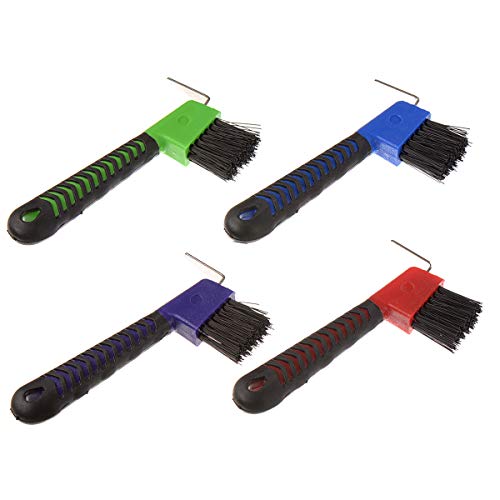
Both Winners Hoof Pick with Brush
Daily hoof cleaning to catch thrush, stones, and abscesses early in older feet.

Mane 'n Tail Mane & Tail Detangler
Eases knots from thinning senior manes and tails without harsh pulling.
Grooming as a Daily Health Check
The most important reason to groom an old horse every day has nothing to do with appearance. As your hands and a soft brush travel over the body, you naturally feel what your eyes might miss: the ribs becoming more prominent under a winter coat, a new lump or swelling, a patch of heat, a cut or rub hidden under a blanket, or a spot that makes the horse flinch. Over weeks you build a detailed map of your horse's normal, so anything new stands out at once.
This matters most in seniors, whose problems often develop slowly and hide under a coat or blanket. The owner who grooms daily catches the early weight loss, the small wound, or the sore back while it is still easy to address, and reports anything concerning to the vet.
A Gentler Tools and Technique
Old horses generally need softer equipment and a lighter hand. A rubber curry comb used gently lifts dirt and dead hair while massaging the skin, but skip hard plastic curries and stiff brushes on thin-skinned seniors except on the muddiest, toughest areas. Finish with a soft body brush, which most old horses find genuinely pleasant. Use the lightest pressure over bony areas like the spine, hips, and legs, where there is little padding.
- Watch the face. Pinned ears, a tense muzzle, swishing tail, or shifting away mean ease off.
- Go bony areas lightly. The withers, spine, hips, and legs have little cushioning.
- Be patient with mane and tail. Use a detangler and work from the bottom up to avoid pulling out thinning hair.
- Keep sessions comfortable. A relaxed, enjoyable groom beats a long, fussy one the horse comes to dread.
Hoof Care Every Day
Pick out the hooves daily to clear packed dirt, manure, and stones and to catch thrush, cracks, abscesses, and heat early. Older horses are prone to hoof changes and to laminitis and PPID-related problems, so regular handling lets you notice trouble between farrier visits. When picking, avoid hoisting an arthritic horse's leg high or holding it aloft for long, and give the horse a moment to balance. Daily hoof care also keeps the horse easy for the farrier to work on.
Senior Horse Care Planner
Track your senior horse's vital signs, feed and body condition, farrier and dental schedule, medications, and quality of life, all in one printable planner.
Coat and Skin in the Older Horse
Aging coats change. Many seniors shed later, and horses with PPID grow long, curly coats that do not shed properly, trap sweat and dirt, and are prone to skin infections. Regular grooming keeps the coat and skin clean, and a shedding tool helps remove dead hair in season. Check the skin underneath for crusts, bald patches, or irritation, since persistent skin problems can be a sign of PPID worth raising with your vet. Some PPID horses are body-clipped for comfort, which then means blanketing in cold weather.
Keeping a Stiff Horse Comfortable
Grooming should never become a source of pain for an arthritic horse. Work on level footing, keep the horse balanced, avoid awkward leg positions, and use gentle pressure over stiff areas. Many old horses love a soft-brush massage over tense muscles. Read the horse's body language and adjust, and the daily groom stays what it should be: a calm, comfortable ritual that keeps your old friend clean, comfortable, and closely watched over.
Related Senior Horse Guides
Editor's Pick · Affiliate link
Cosequin ASU for the Older Horse
The joint supplement with the most research behind it in horses, combining glucosamine and chondroitin with avocado and soybean unsaponifiables. Worth starting before an older horse is visibly stiff rather than after.
Frequently Asked Questions
How often should I groom a senior horse?
Daily grooming is ideal for an older horse, even a retired one, because it does far more than keep the coat tidy. A daily session is your best chance to run your hands over the whole body and catch weight loss, lumps, heat, rubs, skin problems, and sore spots early, before they become serious. Grooming also boosts circulation, helps shedding, and strengthens your bond. If daily is not possible, aim for several times a week, and always groom before and after any work or blanket change.
Why is grooming gentler important for older horses?
Senior horses often have thinner skin, less muscle and fat padding over bony areas, more sensitive backs and joints, and sometimes skin conditions linked to PPID. A hard curry or stiff brush that a young horse shrugs off can be uncomfortable or even painful for an old horse. Use softer brushes, lighter pressure over bony and sensitive areas, and watch the horse's face and posture for signs of discomfort. The goal is a pleasant, circulation-boosting massage, not a vigorous scrub that the horse learns to dread.
How do I groom a horse with PPID or a long coat?
PPID horses often grow long, curly coats that shed late or not at all, trap dirt and sweat, and are prone to skin infections. Groom these horses regularly to keep the coat and skin clean, using a shedding tool to help remove dead hair in season and checking the skin underneath for crusts, bald patches, or irritation. Some PPID horses are body-clipped for comfort in warm weather, which then requires blanketing when cold. Work with your vet on coat and skin management, since persistent skin problems can signal the disease.
What grooming tools are best for a senior horse?
Build a kit around gentleness: a soft body brush for sensitive coats, a rubber curry comb used lightly to lift dirt and boost circulation, a hoof pick for daily hoof cleaning, a mane and tail brush or detangler used patiently, and a shedding tool for spring. Avoid hard plastic curries and stiff brushes on thin-skinned old horses except on the toughest, muddiest areas. A simple, quality set covers nearly every need. The technique and a light touch matter more than owning a large collection of tools.
Should I check my senior horse's hooves daily?
Yes. Pick out the hooves daily to remove packed dirt, manure, and stones, and to catch problems like thrush, abscesses, cracks, or heat early. Older horses are prone to hoof changes and conditions linked to PPID and laminitis, so regular handling lets you notice trouble between farrier visits. Daily hoof care also keeps the horse comfortable with having its feet handled, which makes farrier appointments easier. Pair daily picking with a regular farrier schedule, and call your farrier or vet if you find heat, lameness, or a strong odor.
Can grooming help me monitor my horse's health?
Grooming is one of the most valuable health-monitoring tools you have. As you brush, your hands and eyes pass over the entire horse, so you naturally notice subtle weight loss hidden under a coat, new lumps or swellings, areas of heat, cuts and rubs, skin changes, and spots that make the horse flinch. Over time you build a detailed sense of your horse's normal, so any change stands out quickly. Treat each grooming session as a daily health check, and report anything new or concerning to your vet.
How do I groom a stiff or arthritic horse comfortably?
Be mindful of how you ask the horse to stand and move. Avoid pulling legs up high or holding hooves aloft for long during picking, since that strains arthritic joints, and give the horse a moment to balance. Groom on level footing, keep sessions a comfortable length, and use gentle pressure over stiff areas. Many old horses enjoy a soft-brush massage over tense muscles. Watch for pinned ears, tail swishing, or shifting away, which signal discomfort, and adjust. A patient, low-stress routine keeps grooming something the horse enjoys.
Need more help with your senior horse?
Browse our guides by topic to find practical solutions.
Wellness Planner: $39