Caring for a Senior Horse: Complete Guide
A practical, vet-first guide to caring for a senior horse: feeding, dental care, exercise, body condition, health monitoring, and daily routines that keep older horses thriving.
Caring for an older horse is one of the most rewarding parts of horse ownership. A senior horse has given years of partnership, and with attentive management many stay sound, content, and full of personality well into their twenties and beyond. The goal is not to fight aging but to support it: adjusting feed, movement, and routine so the horse stays comfortable as its body changes.
This guide covers the daily and seasonal foundations of senior horse care, from feeding a worn mouth to keeping arthritic joints moving and spotting early signs of trouble. It is educational and meant to support, never replace, the guidance of your own equine veterinarian, farrier, and dentist, who know your individual horse best.
Senior Horse Care Essentials

Manna Pro Senior Weight & Muscle Supplement
Calorie and amino acid support for older horses struggling to hold condition.
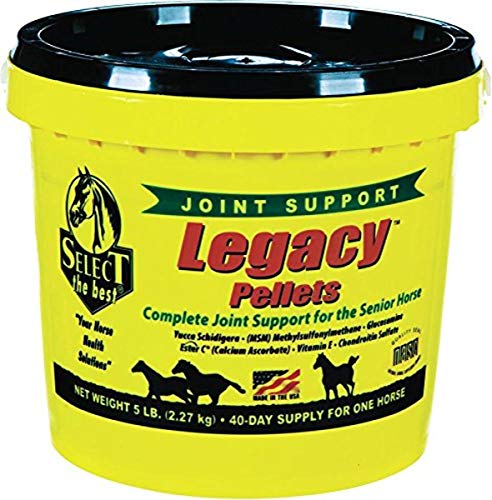
Richdel Senior Joint Support Pellets
Glucosamine-based joint support formulated for aging horses with stiffness.

Weaver Equine 7-Piece Horse Grooming Kit
Brushes, curry, and hoof pick to support daily hands-on health checks.

Majestic Ally Ultra Slow Feed Hay Net
Slows eating to mimic natural grazing and keep the gut moving steadily.
Understanding the Aging Horse
There is no single age at which a horse becomes a senior. Many are labeled senior around 15 to 20, yet some stay vigorous into their thirties while others show wear earlier. Aging brings a predictable set of changes: teeth wear down, joints stiffen, the immune system slows, the coat may grow longer or shed late, and the body becomes less efficient at holding weight and regulating temperature. None of these are reasons to give up on a horse. They are simply signals to adjust care.
The most useful mindset is to know your individual horse's normal and watch for shifts. A senior that suddenly drops weight, moves more stiffly, or loses its sparkle is telling you something. Early attention, paired with twice-yearly veterinary wellness exams, catches problems like PPID, arthritis, and dental disease while they are still manageable.
Feeding the Older Horse
Forage remains the foundation of every horse's diet, but the form often needs to change with age. A worn or missing set of teeth makes long-stem hay hard to chew, leading to dropped feed, weight loss, and a higher risk of choke and impaction colic. When that happens, soaked hay cubes, chopped forage, or a complete senior feed designed to be the entire ration can keep the digestive tract supplied with material it can actually process.
Match the calories to the horse. An easy keeper needs a low-calorie ration balancer to cover protein, vitamins, and minerals without piling on weight, while a hard keeper may need a calorie-dense senior feed or added fat such as a fat supplement. Horses with PPID or equine metabolic syndrome need a low-sugar, low-starch diet to protect against laminitis, so always check the non-structural carbohydrate content of feeds and have your vet guide the plan.
- Weigh regularly. Use a weight tape or scale every couple of weeks so slow changes do not slip past.
- Change feed slowly. Introduce new feeds over a week or more to protect the gut.
- Keep water clean and available. Dehydration drives impaction colic, especially in cold weather. Adding salt encourages drinking.
- Feed off the ground where possible. It reduces sand intake and respiratory dust.
Dental Care Is Central
Few things affect an old horse's wellbeing more than its mouth. As teeth age they wear unevenly, form sharp enamel points, loosen, or drop out entirely. The result is inefficient chewing, which cascades into weight loss, choke, and colic. Watch for quidding, where the horse drops balls of half-chewed hay, along with slow eating, head tilting, and feed packing in the cheeks.
Senior horses often need a dental exam every six to twelve months. Your veterinarian or equine dentist can float sharp points, address loose teeth, and tell you when a horse's mouth can no longer manage long hay, so you can switch to a softer ration in time.
Senior Horse Care Planner
Track your senior horse's vital signs, feed and body condition, farrier and dental schedule, medications, and quality of life, all in one printable planner.
Joints, Movement, and Comfort
Arthritis is nearly universal in old horses, and stiffness can make a once-willing horse reluctant to move. The worst thing for an arthritic joint is standing still, so daily turnout and gentle, regular movement matter more than ever. Light in-hand work, easy hacking for sound horses, soft footing, thorough warmups, and rest days all help. Many owners add a joint supplement with glucosamine and similar ingredients, and your vet can advise on pain relief or injections for horses that need more support.
Learn the subtle language of equine discomfort: a tense face, reluctance to turn or back up, shifting weight, a shortened stride, or a change in temperament. Horses hide pain well, so behavior changes often speak before obvious lameness appears.
Daily and Seasonal Routines
A simple daily check is the backbone of senior care. Each day, note appetite and water intake, manure, attitude, movement, and the state of the eyes, skin, and coat. Grooming is the perfect time to run your hands over the whole body, feeling for weight loss, lumps, heat, or sore spots that a coat or blanket can hide.
| Season | Senior Care Focus |
|---|---|
| Winter | Extra forage for warmth, blanketing thin or clipped horses, monitoring water intake, ice-free footing |
| Spring | Watch rich grass for laminitis-prone horses, shedding support, vaccination and dental checks |
| Summer | Fly protection, shade and water, heat management for PPID horses with heavy coats |
| Fall | Body condition check before winter, dental exam, adjust feed as pasture declines |
Caring for a senior horse is really about paying attention. The horse that has carried you for years will tell you what it needs through small daily signals, and a calm, observant owner working alongside a good vet, farrier, and dentist can give an old horse many comfortable, dignified years.
Related Senior Horse Guides
Editor's Pick · Affiliate link
Cosequin ASU for the Older Horse
The joint supplement with the most research behind it in horses, combining glucosamine and chondroitin with avocado and soybean unsaponifiables. Worth starting before an older horse is visibly stiff rather than after.
Frequently Asked Questions
At what age is a horse considered a senior?
Most horses are called seniors around age 15 to 20, but age is only a guide. Some horses stay sound and easy keepers well into their twenties, while others show age-related changes earlier. What matters more than the number is the individual: dental wear, the appearance of conditions like PPID or arthritis, slower recovery after work, and changes in how the horse holds weight. Treat the senior label as a cue to watch more closely and adjust care, not as a fixed retirement date.
How often should a senior horse see the vet?
A healthy older horse benefits from a wellness exam at least twice a year rather than only when something is wrong. These visits catch slow changes early: dental problems, weight shifts, early PPID, heart or eye changes, and lameness. Twice-yearly checks also keep vaccinations and a sensible deworming plan on track. Horses with diagnosed conditions such as Cushing's or arthritis may need more frequent monitoring, including bloodwork. Ask your vet to set a schedule based on your horse's health rather than a one-size rule.
What should I feed an older horse?
Forage stays the foundation, but the form may need to change as teeth wear. Good hay, soaked hay cubes, or complete senior feeds keep the gut moving when chewing becomes inefficient. A ration balancer fills protein, vitamin, and mineral gaps without excess calories for an easy keeper, while a hard keeper may need a calorie-dense senior feed or added fat. Horses with PPID or EMS need low-sugar, low-starch diets. Always make feed changes gradually and weigh your horse with a tape or scale to track condition.
How do I know if my senior horse is losing weight?
Use the Henneke body condition score, a 1 to 9 scale based on feeling fat cover over the ribs, withers, loin, tailhead, and behind the shoulder. Aim for roughly a 5 to 6 in most seniors. A long winter coat or a swayed back can hide loss, so put your hands on the horse rather than judging by eye, and use a weight tape every couple of weeks. Sudden or steady weight loss warrants a vet exam, since dental disease, PPID, ulcers, and parasites are all common culprits.
Do senior horses still need exercise?
Yes. Gentle, regular movement keeps joints mobile, supports digestion and circulation, maintains muscle, and lifts mood. Even a retired horse benefits from daily turnout and light hand walking or easy ridden or in-hand work if sound. Tailor the work to the horse: shorter sessions, good warmups, soft footing, and rest days protect arthritic joints. Watch for signs of pain or fatigue and adjust. Standing still in a stall is hard on an old horse, so prioritize turnout and steady, low-impact activity over hard work.
How important is dental care for older horses?
It is one of the most important parts of senior care. As teeth wear down, develop sharp points, loosen, or fall out, chewing becomes inefficient, which leads to dropped feed, weight loss, choke, and a higher risk of impaction colic. A horse may need dental exams every six to twelve months in its senior years. Watch for quidding, slow eating, head tilting while chewing, and feed packing in the cheeks. Good dental care, paired with the right feed form, keeps an old horse eating and thriving.
What daily signs should I monitor in a senior horse?
Build a simple routine: check appetite and water intake, manure consistency and amount, attitude and energy, gait and willingness to move, and skin, eyes, and coat. Run your hands over the body to feel condition under a coat or blanket. Learn your horse's normal vital signs so a change stands out. Small shifts, a dropped feed tub, stiffer movement, a dull eye, or reduced manure, often signal a developing problem. Catching these early, and calling your vet when in doubt, is the heart of good senior care.
Need more help with your senior horse?
Browse our guides by topic to find practical solutions.
Wellness Planner: $39