Best Water Trough Heaters for Horses 2026
Compare the best water trough heaters and de-icers for senior horses in 2026 to keep water ice-free and lower winter impaction colic risk.
Winter hydration is one of the quietest risks an older horse faces. As temperatures drop, horses naturally drink less, and a senior facing a trough crusted with ice will often drink less still. That matters, because reduced water intake is a leading cause of impaction colic, a painful and potentially serious problem that aging horses are more vulnerable to. Keeping water ice-free and gently warmed encourages a senior to keep drinking right through the cold, supporting steady gut motility and lowering the odds of a midwinter colic scare. A reliable trough heater or de-icer is one of the cheapest forms of insurance in the barn.
To build this list, we compared popular trough heaters and de-icers using their wattage, tank-size guidance, safety features, controls, and price, alongside verified owner reviews from people overwintering horses in cold climates. We did not run our own field trials. Use this as a research-based starting point. Match the wattage to your tank and climate, prioritize safety-listed and thermostatically controlled units, and ask your veterinarian about hydration strategies if your senior is prone to colic.
Best Water Trough Heaters for Senior Horses 2026
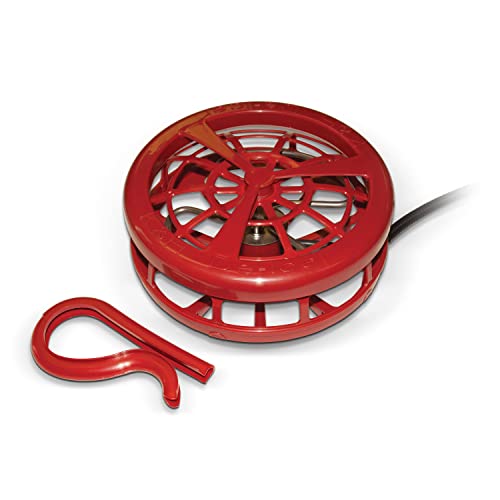
K&H Pet Products K&H Stock Tank De-Icer (1000W)
Cage-protected floating de-icer that keeps larger tanks ice-free for steady winter drinking.

Farm Innovators, Inc. Farm Innovators Heated Water Bucket (16 Gal)
200W heated bucket with a replaceable element, ideal for stalls and small turnouts.
K&H Pet Products K&H Stock Tank De-Icer (250W)
Lower-watt de-icer for small tanks or milder winter climates.
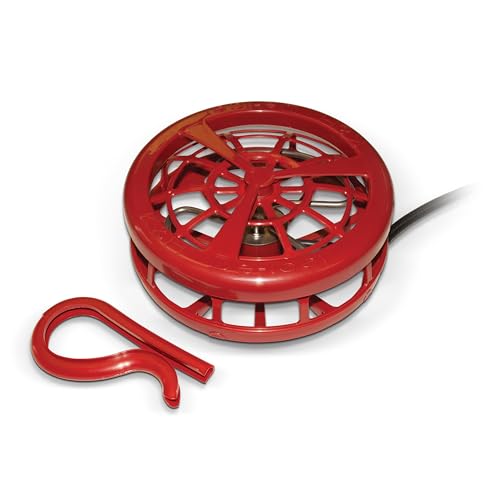
K&H Pet Products K&H Stock Tank De-Icer (750W)
Mid-watt de-icer balancing energy use and ice-melting power for average tanks.

Sxmprail Sxmprail Submersible Stock Tank Heater (1500W)
Thermostatically controlled high-output heater for large tanks in harsh cold.
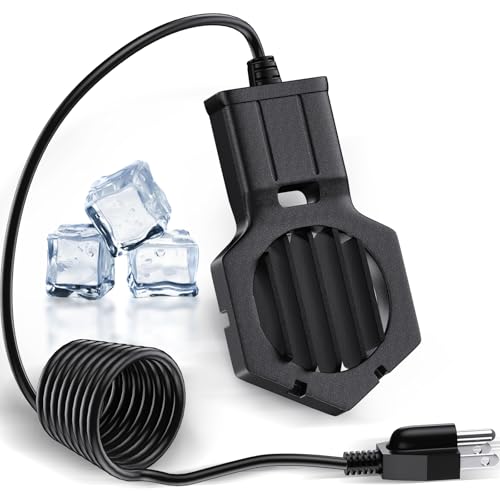
UFRYO UFRYO Submersible De-Icer (500W)
Cast aluminum de-icer with a 10-foot cord at a budget-friendly price.
How Do These Trough Heaters Compare?
| Heater | Wattage | Best For |
|---|---|---|
| K&H Stock Tank De-Icer (1000W) | 1000W | Larger tanks in cold climates |
| Farm Innovators Heated Bucket | 200W | Stalls and small turnouts |
| K&H Stock Tank De-Icer (250W) | 250W | Small tanks or mild winters |
| K&H Stock Tank De-Icer (750W) | 750W | Average tanks needing balance |
| Sxmprail Submersible Heater | 1500W | Large tanks in harsh cold |
| UFRYO Submersible De-Icer | 500W | Budget mid-size protection |
How We Picked These Trough Heaters
Our picks come from comparing specifications rather than running our own winter trials. We weighed wattage against tank-size guidance, looked for safety-listed designs with protective cages and thermostatic control, and read the patterns in verified owner reviews from people keeping horses through hard winters. We spread the list across wattages and formats on purpose, from a low-watt de-icer for a small tank to a 1500W heater for a big trough in deep cold, plus a self-contained heated bucket for stalls, because the right unit depends entirely on your tank and your climate. None of this replaces good barn safety practice, so always use a GFCI outlet, protect the cord, and ask your veterinarian about hydration if your senior has a history of colic.
A Closer Look at Each Trough Heater
K&H Stock Tank De-Icer (1000W)
This K&H de-icer takes the top spot as a versatile, widely trusted choice for keeping a stock tank open all winter. It is a cage-protected floating de-icer, which means the heating element sits behind a guard so horses cannot contact it directly, and it carries safety listing for livestock use. The 1000W output handles larger tanks and genuine cold, and a 500W variant is available for smaller setups. For most barns wanting dependable, ice-free water for their seniors, it is a sensible default.
Pros: Protective full cage, safety-listed, floats and handles larger tanks, well-reviewed and widely available.
Cons: Higher wattage uses more electricity, may be more heater than a small mild-climate tank needs.
Farm Innovators Heated Water Bucket (16 Gal)
For a stalled senior or a small turnout, this self-contained 16-gallon heated bucket is a clean solution. The 200W element is built right in, so there is no separate de-icer to manage, and the element is replaceable, which extends the bucket's working life. It keeps a manageable volume of water thawed and drinkable for one or two horses, making it a tidy option for an older horse that needs encouragement to drink overnight in a stall.
Pros: Self-contained, replaceable element, ideal for stalls and small groups, no separate de-icer needed.
Cons: Limited capacity for a busy herd, higher price than a basic drop-in de-icer.
K&H Stock Tank De-Icer (250W)
The lower-watt sibling in the K&H line, this 250W de-icer is matched to small tanks or milder winter climates where you do not need brute force to stay ice-free. Choosing a heater scaled to the job saves electricity and avoids overheating a small volume of water. For a senior in a region with light frosts rather than deep freezes, or for a smaller tank, this is an efficient, budget-conscious way to keep the water open.
Pros: Energy-efficient for small tanks, lower running cost, same trusted K&H design, good for mild climates.
Cons: Underpowered for large tanks or severe cold, limited to smaller setups.
K&H Stock Tank De-Icer (750W)
Sitting in the middle of the range, the 750W version is the balanced pick for an average tank that sees real but not extreme winters. It offers more ice-melting power than the 250W unit while drawing less than the 1000W model, which makes it a practical compromise for many barns. If you are unsure where your tank and climate fall, this mid-watt option covers a lot of common situations without over- or under-doing it.
Pros: Balances power and energy use, suits average tanks, trusted K&H build, versatile middle option.
Cons: May still fall short for very large tanks in deep cold, not the cheapest option.
Sxmprail Submersible Stock Tank Heater (1500W)
When the tank is big and the winters are brutal, this 1500W submersible heater brings the most output on the list. It is thermostatically controlled, so it cycles on only when needed rather than running constantly, which helps manage the higher wattage. For a large shared trough that several horses, including seniors, depend on through hard freezes, this is the unit that can keep up when lower-watt de-icers struggle to stay ahead of the ice.
Pros: High 1500W output, thermostatically controlled, handles large tanks and severe cold, strong for herds.
Cons: High power draw, more capacity than small tanks require, verify safety setup carefully.
UFRYO Submersible De-Icer (500W)
The UFRYO rounds out the list as a budget-friendly mid-size option. Its cast aluminum construction is sturdier than thin plastic shells, and the 10-foot cord gives useful reach to a GFCI outlet without an extra extension. At 500W it suits average tanks in moderate cold, offering a wallet-friendly way to keep a senior's water open. As with any value heater, plug it into GFCI protection, guard the cord, and inspect it regularly.
Pros: Affordable, durable cast aluminum, long 10-foot cord, good for average tanks.
Cons: 500W may not suffice in deep cold or very large tanks, confirm thermostat and safety details.
How to Use a Trough Heater Safely
A heater only helps if it runs safely and your senior actually drinks. Keep these points in mind:
- Match wattage to the tank and climate. Use lower watts for small tanks or mild winters and higher watts for large troughs in deep cold so the water stays ice-free without waste.
- Choose thermostatic, safety-listed units. Controlled heaters cycle on only when needed, and a protective cage keeps the element away from curious muzzles.
- Protect the cord. Route cords out of reach, use cord clips or chew guards, and replace any cracked or bitten cord immediately.
- Use a GFCI outlet. Ground-fault protection is essential around water and helps guard against shock and stray voltage.
- Watch for a horse that stops drinking. If a senior avoids a heated trough, unplug it and check for stray voltage before assuming the water itself is the issue.
This guide is educational and reflects research into product specs, safety features, and verified owner reviews rather than hands-on testing. It complements but does not replace advice from your veterinarian and farrier, who can help you keep your senior horse hydrated and lower the risk of winter impaction colic.
Senior Horse Care Planner
Track your senior horse's vital signs, feed and body condition, farrier and dental schedule, medications, and quality of life, all in one printable planner.
Related Senior Horse Guides
Editor's Pick · Affiliate link
Cosequin ASU for the Older Horse
The joint supplement with the most research behind it in horses, combining glucosamine and chondroitin with avocado and soybean unsaponifiables. Worth starting before an older horse is visibly stiff rather than after.
Frequently Asked Questions
Why are water trough heaters important for senior horses?
Older horses are especially prone to drinking less in winter, and dehydration is a leading trigger for impaction colic, which can be serious in an aging horse. Cold or ice-covered water discourages drinking, while water kept ice-free and slightly warmed encourages a senior to drink steadily through freezing weather. A trough heater or de-icer keeps that water available around the clock, supporting healthy gut motility and reducing the colic risk that cold months bring.
How many watts do I need to keep a trough ice-free?
Wattage should match the tank size and your climate. Small tanks or mild winters may only need a 250W unit, mid-sized setups often suit 500W to 750W, and large stock tanks or harsh cold can call for 1000W to 1500W. Oversizing wastes electricity while undersizing leaves ice. Check the heater's recommended tank-size range, factor in how cold your area gets, and choose a thermostatically controlled model so it only runs when needed.
Are submersible trough de-icers safe for horses?
Quality de-icers are designed for livestock use, and the safest options are thermostatically controlled and safety-listed, with a sturdy guard or cage over the heating element so a horse cannot contact it directly. Always plug the unit into a GFCI-protected outlet, protect the cord from chewing, and inspect the heater regularly. If you ever notice a horse hesitating or refusing to drink from a heated tank, unplug it and check for stray voltage before assuming the water is the problem.
What is stray voltage and why does it matter?
Stray voltage is a small electrical current leaking into the water, often from a failing heater, damaged cord, or poor grounding. Horses are sensitive to it and may get a mild shock when they touch the water, leading them to drink less or refuse entirely, exactly the dehydration you are trying to prevent. If a horse suddenly avoids a heated trough, suspect stray voltage first: unplug the heater, test the setup, and replace any damaged equipment before continuing.
Should I get a heated bucket or a de-icer?
It depends on your setup. A heated bucket is self-contained and ideal for stalls or small turnouts where one or two horses drink, with the heating element built in and often replaceable. A de-icer is a separate heater you drop into an existing stock tank, which suits larger troughs and herds. Seniors that drink from a shared tank usually need a de-icer sized to that tank, while a stalled older horse may do well with a dedicated heated bucket.
How do I protect the heater cord from chewing?
Curious horses chew cords, which is both a shock hazard and a fast way to ruin a heater. Route the cord up and out of reach, use cord clips or a protective conduit, and consider a chew-guard sleeve where the cord crosses the tank edge. Keep all connections off the ground and out of standing water, plug into a GFCI outlet, and inspect the cord often for cracks or bite marks, replacing it at the first sign of damage.
Need more help with your senior horse?
Browse our guides by topic to find practical solutions.
Wellness Planner: $39