Best Omega-3 Supplements for Horses 2026
Compare the best omega-3 supplements for senior horses in 2026: flax and marine oils for coat, skin, and anti-inflammatory joint support.
As horses move into their late teens and twenties, many start to show a duller coat, drier and itchier skin, and the stiff, achy joints that come with arthritis. A big part of the reason is diet. Lush green pasture is naturally loaded with omega-3 fatty acids, but a senior living mostly on hay, or one kept off rich grass for metabolic reasons, often misses out. Adding an omega-3 supplement from flax or marine oil is one of the simplest ways to put that missing nutrient back, supporting a glossier coat, calmer skin, and the anti-inflammatory balance that aging joints and immune systems appreciate.
To build this list, we compared popular flax and oil supplements using their ingredient panels, omega-3 sources, serving sizes, and price, alongside verified owner reviews from horse people feeding aging animals. We did not run our own barn trials. Think of this as a research-based starting point: the right choice depends on your individual horse, and any new fat or supplement should be cleared with your equine veterinarian, particularly for metabolic or hard-keeping seniors.
Best Omega-3 Supplements for Senior Horses 2026

Omega Horseshine Omega Horseshine Flaxseed Supplement
Stabilized ground flax delivering omega-3 for a glossy coat and healthy skin in older horses.

SmartEquine SmartEquine Smart & Simple Flax
Simple ground flax with 45 servings, an easy budget way to add daily omega-3.

Equinety Equinety Ultimate OEC Omega Oil
Omega-3 oil blend with vitamin E for coat, hoof, and joint support.

Sammy's Shiny Coat Sammy's Shiny Coat Flax Oil (1 Gallon)
Pure liquid flaxseed oil rich in omega-3, with a free pump for easy dosing.

Farnam Farnam Super 14 Skin & Coat Supplement
Targeted skin and coat formula, roughly a 44-day supply for a single horse.
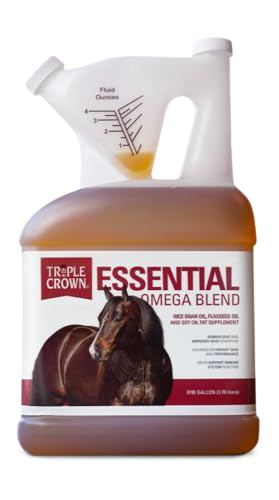
ZIXCARE Triple Crown Rice Bran Oil (1 Gallon)
High-fat oil for extra calories and shine, heavier in fat and omega-6 than omega-3.
How Do These Omega-3 Supplements Compare?
| Supplement | Form | Source | Best For |
|---|---|---|---|
| Omega Horseshine | Stabilized ground flax | Flax (ALA) | Daily coat and skin support |
| SmartEquine Smart & Simple Flax | Ground flax | Flax (ALA) | Budget-minded owners |
| Equinety Ultimate OEC Omega Oil | Liquid oil blend | Omega oils + vitamin E | Coat, hoof, and joint combo |
| Sammy's Shiny Coat Flax Oil | Liquid oil | Flax oil (ALA) | Pure flax oil at value pricing |
| Farnam Super 14 | Skin and coat formula | Fatty acid blend | Short-term shine boost |
| Triple Crown Rice Bran Oil | Liquid oil | Rice bran (high fat) | Calories and weight gain |
How We Picked These Omega-3 Supplements
Our picks come from comparing labels, not from running our own feeding trials. We looked for clear omega-3 sources, with a preference for stabilized ground flax and dedicated flax or marine oils over generic high-fat options, then weighed serving counts, value, and the patterns in verified owner reviews from people feeding senior horses. We deliberately spread the list across forms and price points, from an economical bag of ground flax to liquid oils and a calorie-dense rice bran oil, because a hard keeper and an easy-keeping metabolic horse need very different things. None of this replaces a conversation with your veterinarian, who can weigh your horse's body condition, dental health, and any PPID or EMS concerns before you add fat to the ration.
A Closer Look at Each Omega-3 Supplement
Omega Horseshine Flaxseed Supplement
This stabilized ground flax earns the top spot because it does the everyday job most seniors need: a steady supply of ALA omega-3 to support a soft coat and calmer, less flaky skin without a lot of added sugar or starch. The stabilization is the selling point, since it slows the rancidity that plagues home-ground flax, and the large bag keeps a single horse going for a long stretch. Owners of older horses often report a noticeably glossier coat within a few weeks of consistent feeding.
Pros: Stabilized for shelf life, low-sugar flax base, big bag is good value over time, palatable for picky seniors.
Cons: Higher upfront price, large bag needs cool dry storage to stay fresh.
SmartEquine Smart & Simple Flax
For owners who want omega-3s without a big commitment, this simple ground flax is an easy entry point. With around 45 servings, it lets you try flax with a senior who has dry skin or a flat coat before investing in a larger bag. The ingredient list is refreshingly short, which appeals to people who like to know exactly what is going into the feed pan, and the low sugar profile suits most metabolic horses under veterinary guidance.
Pros: Budget-friendly, short clean ingredient list, low sugar, good way to trial flax.
Cons: Smaller bag means frequent reordering, ground flax should be kept fresh and used promptly.
Equinety Ultimate OEC Omega Oil
This liquid oil blend pairs omega fatty acids with vitamin E, the antioxidant that works alongside added fats and is often low in hay-based diets. The combination aims at coat, hoof, and joint support in one pour, which makes it appealing for a senior with several aging-related needs at once. Because it is a liquid, it is easy to top-dress and adjust, and a little vitamin E support is a sensible companion whenever you raise the fat in an older horse's diet.
Pros: Includes vitamin E, multi-target coat, hoof, and joint support, easy to pour and adjust.
Cons: Pricier than plain flax, liquids must be stored cool and used before they turn.
Sammy's Shiny Coat Flax Oil (1 Gallon)
For owners who prefer a pure liquid flax oil, this gallon delivers concentrated ALA omega-3 and ships with a pump that makes daily dosing tidy and consistent. A liquid lets you start with a small amount and build up slowly, which is exactly how fat should be introduced to an older horse to keep manure firm. The shine many owners see is the headline benefit, and the value per ounce is strong for a dedicated flax oil.
Pros: Pure flax oil, included pump simplifies dosing, easy to titrate up slowly, good value per ounce.
Cons: A full gallon must be kept cool and used before it can go rancid, oil can be messy without care.
Farnam Super 14 Skin & Coat Supplement
From a long-trusted equine brand, Super 14 is a focused skin and coat formula sized at roughly a 44-day supply for one horse. It is a tidy option for a senior heading into a season when skin and coat tend to suffer, or for an owner who wants a defined, shorter run rather than committing to a bulk bag. The targeted formulation aims squarely at the dull-coat and itchy-skin complaints that show up as horses age.
Pros: Established brand, targeted skin and coat formula, convenient defined supply, approachable price.
Cons: Shorter supply for ongoing use, formula is aimed at coat more than broad joint support.
Triple Crown Rice Bran Oil (1 Gallon)
This one earns a spot with a clear caveat. Rice bran oil is a high-fat, calorie-dense liquid that shines for putting weight and bloom on a thin senior or hard keeper, and it does add a glossy coat. It is, however, heavier in fat and omega-6 than in omega-3, so it is more of a weight-gain and shine tool than a true omega-3 balancer. For an easy keeper or a metabolic horse, that extra fat may be exactly what you do not want, so use it purposefully and with veterinary input.
Pros: Calorie-dense for weight gain, adds shine, large gallon size, good for hard keepers.
Cons: More omega-6 and fat than omega-3, not ideal for easy keepers or metabolic horses, store cool to avoid rancidity.
How to Add Omega-3s to a Senior Horse's Diet
Getting the most from any of these supplements is as much about how you feed them as which one you choose. Keep these points in mind:
- Introduce fat slowly. Build up over one to two weeks so the gut adjusts and manure stays firm, rather than dumping a full dose in on day one.
- Grind or buy stabilized flax. Whole flaxseed passes through largely undigested, so use a ground, stabilized product or grind fresh and feed it promptly.
- Store oils cool and dark. Omega-3 oils turn rancid with heat, light, and air, so cap them tightly, keep them cool, and smell before feeding.
- Mind the metabolic horse. Choose low-sugar flax or marine sources over high-fat oils for easy keepers, and clear added fat with your vet first.
- Be patient with results. Coat and skin changes usually take several weeks of consistent feeding, so give a supplement a fair trial before switching.
This guide is educational and reflects research into ingredient panels, product specs, and verified owner reviews rather than hands-on testing. It complements but does not replace advice from your veterinarian and farrier, who know your senior horse's full health picture and can help you choose and dose an omega supplement safely.
Senior Horse Care Planner
Track your senior horse's vital signs, feed and body condition, farrier and dental schedule, medications, and quality of life, all in one printable planner.
Related Senior Horse Guides
Editor's Pick · Affiliate link
Cosequin ASU for the Older Horse
The joint supplement with the most research behind it in horses, combining glucosamine and chondroitin with avocado and soybean unsaponifiables. Worth starting before an older horse is visibly stiff rather than after.
Frequently Asked Questions
Why do senior horses benefit from omega-3 supplements?
Older horses often deal with dry, flaky skin, a dull coat, and the low-grade inflammation that comes with arthritis. Omega-3 fatty acids from flax and marine oils provide ALA, EPA, and DHA, which support healthy skin and coat and offer anti-inflammatory support that may help arthritic joints and immune function. Fresh pasture is rich in omega-3s, so stalled or hay-fed seniors frequently fall short and gain the most from added flax or oil.
Is ground flaxseed or fish oil better for horses?
Both have a place. Ground flaxseed is rich in ALA, the plant-based omega-3, and is the most common, palatable, and economical choice for horses. Marine and fish oils supply EPA and DHA directly, the forms the body uses most readily, which can be helpful for stubborn skin or joint inflammation. Many owners start with flax for everyday coat support and add a marine source under veterinary guidance when more targeted anti-inflammatory help is needed.
Why does flaxseed need to be ground or stabilized?
Whole flaxseed has a hard outer hull that passes through the equine digestive tract largely undigested, so the horse gets little benefit. Grinding breaks the hull and releases the oil, but freshly ground flax also goes rancid quickly. Stabilized ground flax products are processed to slow that oxidation so the omega-3s stay intact on the shelf and in the feed room. If you grind your own, do it fresh and use it promptly.
How much omega-3 oil should I feed a senior horse?
Start low and increase slowly over one to two weeks so the digestive system adjusts and you avoid loose manure. Many flax and oil products suggest a few ounces per day, but the right amount depends on your horse's weight, body condition, and the rest of the diet. Always follow the label and confirm the dose with your veterinarian, especially for hard keepers needing extra calories or metabolic horses that need fat managed carefully.
Are omega supplements safe for metabolic or Cushing's horses?
Flax and marine omega-3s are low in sugar and starch, so they are generally appropriate for horses with PPID, EMS, or insulin dysregulation, and the anti-inflammatory support can be useful. The caution is added fat and calories: high-fat oils like rice bran are more about weight gain than omega balance and can be too much for an easy keeper. Loop in your veterinarian before adding fat to any metabolic horse's diet.
How should I store flax oils to prevent rancidity?
Omega-3 oils are delicate and turn rancid when exposed to heat, light, and air, and a rancid oil loses its benefit and may upset the gut. Keep liquid flax or marine oils tightly capped, store them in a cool dark place, and many owners refrigerate after opening in warm weather. Buy a size you can use before it spoils, note the date you open it, and smell it before feeding. A sharp, off odor means discard it.
Need more help with your senior horse?
Browse our guides by topic to find practical solutions.
Wellness Planner: $39