Best Dewormers for Senior Horses 2026
Compare 6 horse dewormers for 2026 by active ingredient and parasite coverage, with a vet-led, fecal-test-driven plan for aging horses and PPID seniors.
Deworming has changed a lot, and the old habit of rotating a paste every two months is now known to drive dangerous resistance. The modern approach is targeted: your veterinarian runs fecal egg counts, identifies whether your horse is a low, moderate, or high shedder, and treats strategically by season and result. This matters even more for seniors, because horses with PPID (Cushing's) or a weaker immune system can shed more eggs and carry heavier burdens than they did in their prime. The goal is to protect your horse while preserving the few drug classes that still work.
We compared widely available equine dewormers by active ingredient, the parasites each one targets, formulation, and the patterns in verified owner reviews. We did not run our own trials, and we are not recommending a schedule, because the right product and timing depend on your horse and your farm. This research-based guide spans ivermectin, moxidectin, combination products with praziquantel for tapeworms, pyrantel, and a fenbendazole PowerPac so you can recognize what each does. The single most important step is to involve your veterinarian and use fecal egg count testing to confirm what still works where you live.
Best Dewormers for Senior Horses 2026

Zoetis Quest Plus Gel (Moxidectin/Praziquantel)
Longer-acting moxidectin plus praziquantel to reach encysted small strongyles and tapeworms in a fall dose.

Merial Zimecterin Gold (Ivermectin/Praziquantel)
Ivermectin plus praziquantel combination covering strongyles, bots, and tapeworms in one paste.

Moxidectin gel for early grazing season, reaching encysted small strongyles other classes miss.
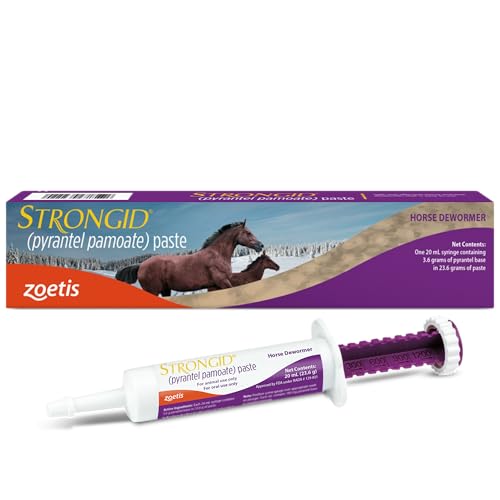
Strongid Strongid Paste (Pyrantel Pamoate)
Broad-spectrum pyrantel paste for strongyles and roundworms, a different class to rotate by test.

MERCK Animal Health Panacur PowerPac (Fenbendazole)
Five-day fenbendazole protocol used under vet guidance to target encysted small strongyle larvae.

Jeffers Jeffers Ivermectin Gel
Budget broad-spectrum ivermectin paste for strongyles, bots, and roundworms in healthy horses.
How Do These Dewormers Compare?
| Dewormer | Active Ingredient | Targets | Typical Use |
|---|---|---|---|
| Quest Plus Gel | Moxidectin + praziquantel | Encysted strongyles, tapeworms | Fall strategic dose |
| Zimecterin Gold | Ivermectin + praziquantel | Strongyles, bots, tapeworms | Broad combination |
| Quest Gel | Moxidectin | Encysted small strongyles | Early-season dose |
| Strongid Paste | Pyrantel pamoate | Strongyles, roundworms | Alternate class |
| Panacur PowerPac | Fenbendazole (5-day) | Encysted larvae | Vet-directed protocol |
| Jeffers Ivermectin | Ivermectin | Strongyles, bots, roundworms | Budget broad-spectrum |
How We Picked These Dewormers
We focused on covering the major drug classes a vet-led parasite program actually uses, rather than ranking products by brand. We looked at the active ingredient, the parasites each one reaches, the formulation, and the patterns in verified owner reviews. We chose a spread across moxidectin and ivermectin combinations with praziquantel for tapeworms, straight moxidectin and ivermectin, pyrantel as an alternate class, and a fenbendazole PowerPac for encysted larvae so you can match coverage to a fecal-test plan. We did not test these ourselves, and we deliberately avoid recommending a fixed schedule, because resistance and the right timing differ from farm to farm.
A Closer Look at Each Dewormer
Quest Plus Gel (Moxidectin and Praziquantel)
Quest Plus is our top pick for the strategic fall dose many programs rely on, because it combines moxidectin, which reaches encysted small strongyles, with praziquantel for tapeworms in a single longer-acting treatment. For a senior, covering encysted larvae and tapeworms in one dose is efficient. Moxidectin has a narrower safety margin, so dose by accurate body weight and avoid it in debilitated or very thin horses without veterinary guidance. It is a powerful tool used at the right time, not a casual rotational paste, and your vet should confirm it still works on your farm.
Pros: Covers encysted strongyles and tapeworms, longer acting, efficient fall dose, single treatment.
Cons: Narrow safety margin, weigh accurately, not for debilitated or thin seniors without vet input.
Zimecterin Gold (Ivermectin and Praziquantel)
Zimecterin Gold pairs ivermectin with praziquantel, giving broad coverage of strongyles, bots, and tapeworms in a familiar paste. For owners who want a widely available combination product to handle tapeworms alongside the usual targets, it is a sensible choice. It is gentler on the safety margin than moxidectin, which some owners prefer for an older or lighter horse. As always, dose by current weight and confirm efficacy with fecal testing. It does not reach encysted larvae the way moxidectin or a fenbendazole PowerPac does, so it fits one role in a broader plan.
Pros: Broad strongyle, bot, and tapeworm coverage, familiar combination, wide safety margin.
Cons: Does not target encysted larvae, resistance possible, weigh and test to confirm efficacy.
Quest Gel (Moxidectin)
Straight moxidectin gel is the early-season counterpart, reaching encysted small strongyles that ivermectin and pyrantel miss, without the added praziquantel. It suits a program that handles tapeworms separately or at a different time. The same cautions apply: dose by accurate body weight, and avoid it in severely underweight or debilitated horses without veterinary direction, which matters for a thin senior. Used at the right point in the season under a vet's plan, it is a valuable tool against the larval stages that quietly build burdens. Confirm it still works on your farm with testing.
Pros: Reaches encysted small strongyles, longer acting, useful early-season tool.
Cons: Narrow safety margin, no tapeworm coverage, weigh carefully, caution in thin seniors.
Strongid Paste (Pyrantel Pamoate)
Strongid offers a different drug class, pyrantel pamoate, covering many strongyles and roundworms, and at a low price it is our value pick. Having a separate class available matters because rotating only when fecal testing justifies it helps slow resistance. Double-dosed, pyrantel is also used against tapeworms in some plans. It is generally gentle and inexpensive, which appeals for routine use in a horse confirmed to need it. As with every product here, resistance to pyrantel is common on some farms, so let fecal egg count reduction testing, not habit, decide whether it earns a place in your program.
Pros: Different drug class, inexpensive, gentle, covers strongyles and roundworms.
Cons: Resistance common, no encysted larvae coverage, use only when testing supports it.
Panacur PowerPac (Fenbendazole)
The PowerPac is a five-day fenbendazole course used under veterinary guidance to target encysted small strongyle larvae, a specialized job rather than a routine paste. For a horse with a confirmed encysted burden, it offers an alternative to moxidectin. It is the priciest option here because it is a multi-day protocol. Fenbendazole resistance is widespread for routine strongyle control, so the PowerPac is best reserved for the specific larval-clearing purpose your vet identifies. Treat it as a targeted intervention, weigh your horse, and follow the full five-day course exactly as directed rather than using it casually.
Pros: Targets encysted larvae, alternative to moxidectin, vet-directed protocol.
Cons: Most expensive, five-day course, fenbendazole resistance common for routine use.
Jeffers Ivermectin Gel
A straightforward, budget ivermectin paste covers strongyles, bots, and roundworms, making it a workhorse for the ivermectin slot in a fecal-test-driven plan. For a healthy senior confirmed to need ivermectin, it does the job without frills at a low cost. It does not include praziquantel, so it will not handle tapeworms, and it does not reach encysted larvae. As always, dose by accurate weight to avoid underdosing, which breeds resistance, and use fecal egg count reduction testing to confirm ivermectin still works on your property before relying on it.
Pros: Inexpensive, broad strongyle, bot, and roundworm coverage, simple workhorse.
Cons: No tapeworm or encysted-larvae coverage, resistance possible, confirm efficacy by testing.
Building a Smart Deworming Plan for a Senior
The product is only half the story. Use it inside a vet-led program:
- Test, don't guess. Have your vet run fecal egg counts to classify your horse as a low, moderate, or high shedder and to confirm which drugs still work on your farm.
- Treat strategically. Most horses need only one or two well-timed doses a year, typically including a fall treatment that covers tapeworms and encysted small strongyles.
- Weigh first. Use a weight tape or scale and dose to current body weight; underdosing fuels resistance and overdosing risks reactions, especially with moxidectin.
- Watch PPID seniors closely. Older horses with Cushing's can shed more, so monitor them more often and address the underlying disease with your vet.
- Confirm it worked. A follow-up fecal egg count reduction test 10 to 14 days later tells you whether the product actually cleared the burden.
This guide is educational and based on research into active ingredients and verified owner reviews rather than hands-on testing. Dewormers are medications, and the right product, dose, and timing depend on your horse and your farm. Always work with your veterinarian and use fecal testing rather than a fixed calendar, and take extra care with thin, debilitated, or PPID seniors.
Senior Horse Care Planner
Track your senior horse's vital signs, feed and body condition, farrier and dental schedule, medications, and quality of life, all in one printable planner.
Related Senior Horse Guides
Editor's Pick · Affiliate link
Cosequin ASU for the Older Horse
The joint supplement with the most research behind it in horses, combining glucosamine and chondroitin with avocado and soybean unsaponifiables. Worth starting before an older horse is visibly stiff rather than after.
Frequently Asked Questions
Should I deworm my senior horse on a calendar schedule?
The old rotational calendar is outdated. Modern parasite control is targeted: your veterinarian runs a fecal egg count to see whether your horse is a low, moderate, or high shedder, then deworms based on the result and the season. Blanket calendar deworming has driven dangerous resistance, so most horses need only one or two strategic treatments a year, usually including a fall dose that covers tapeworms and encysted small strongyles. Seniors with PPID or a weaker immune system may shed more and need closer monitoring, which is exactly why fecal testing matters more than a fixed schedule.
Which dewormer ingredients cover which parasites?
Each drug class targets different parasites. Ivermectin handles many roundworms, bots, and large and small strongyles. Moxidectin (Quest) reaches encysted small strongyles and is longer acting. Praziquantel, paired with ivermectin or moxidectin in combination products, is the ingredient that kills tapeworms. Pyrantel pamoate (Strongid) covers many strongyles and roundworms and double-dosed targets tapeworms. Fenbendazole (Panacur) covers some strongyles and roundworms, with a five-day PowerPac protocol for encysted larvae. Resistance varies by farm, so your vet uses fecal egg count reduction testing to confirm which products still work on your property.
Are dewormers safe for older horses?
Used correctly, the common equine dewormers are safe for healthy seniors, but a few cautions apply. Moxidectin has a narrower safety margin, so accurate dosing by current body weight matters and it is not for debilitated or severely underweight horses without veterinary guidance. Very old, sick, or heavily parasitized horses can occasionally react to a large parasite kill, so your vet may stage treatment. Always weight-tape or weigh your horse first to avoid underdosing, which fuels resistance, or overdosing. When your senior has PPID, dental disease, or weight loss, deworm under veterinary direction.
How do I know the dewormer actually worked?
The only reliable way is a fecal egg count reduction test. Your vet runs a fecal egg count before deworming, then another about 10 to 14 days after, and compares the drop. A strong reduction means the product still works on your farm, while a weak reduction signals resistance to that drug class. This testing has become essential because resistance is widespread and growing, and a dewormer that fails silently leaves your horse carrying a parasite burden you assumed was gone. For seniors and high shedders especially, confirm efficacy rather than trusting the label.
Why do senior horses sometimes carry heavier parasite loads?
Immune function can decline with age, and horses with PPID (Cushing's) in particular may shed more eggs and show higher burdens, partly because the disease affects immune regulation. A senior that was a low shedder for years can become a moderate or high shedder as PPID develops, which is one reason regular fecal testing is valuable in older horses. Heavier burdens can worsen weight loss, poor coat, and colic risk in a horse already managing dental and metabolic challenges. Work with your vet to test, treat strategically, and address the underlying PPID with pergolide if present.
Can I just buy dewormer paste online without a vet?
Many equine dewormers are sold over the counter, but buying blindly is how farms breed resistance and waste money on products that no longer work. The smarter approach is to involve your veterinarian, run fecal egg counts, and use the specific product and timing that suit your horse and region. This is even more important for seniors, who may have metabolic disease, weight loss, or compromised immunity that changes the plan. Use the convenience of online purchasing to get the right product your vet recommends, not to skip the testing that makes deworming effective.
Need more help with your senior horse?
Browse our guides by topic to find practical solutions.
Wellness Planner: $39