Best Equine First Aid Kits 2026
Build a barn first aid kit for senior horses in 2026: wound care, bleeding control, antiseptic, an organizer bag, and a vet-first guide for slower-healing seniors.
Horses find creative ways to hurt themselves, and a senior horse with thinner skin and a slower healing response gives you even less margin for delay. A scrape on a fence, a kick in the field, or a puncture in the paddock can turn into a real problem if you have to go hunting for supplies. The fix is simple: keep a stocked, organized first aid kit in the barn so you can clean, protect, and stabilize a wound while you decide whether the vet needs to come out. For an older horse, prompt care is not fussing; it is prevention.
This is a build-your-own roundup rather than a single sealed box. We compared widely available wound-care staples, a clotting powder, an organizer bag, and a quick-reference book using their stated uses, ingredient and spec details, and the recurring themes in verified owner reviews. We did not run our own trials. Assembling the pieces yourself lets you tailor the kit to your horse and refill items individually. None of this replaces your veterinarian or farrier, who remain your first call for any serious wound, lameness, eye injury, or colic.
Best Equine First Aid Kit Components for Senior Horses 2026

Silver Honey Silver Honey Rapid Wound Repair
Manuka honey and MicroSilver ointment for everyday cuts, scrapes, and slow-healing senior skin.

Farnam Farnam Wonder Dust Wound Powder
Classic styptic wound powder to help stop minor bleeding and manage proud flesh.

Betadine Betadine Antiseptic Solution
Povidone-iodine solution to clean minor cuts and scrapes before dressing.
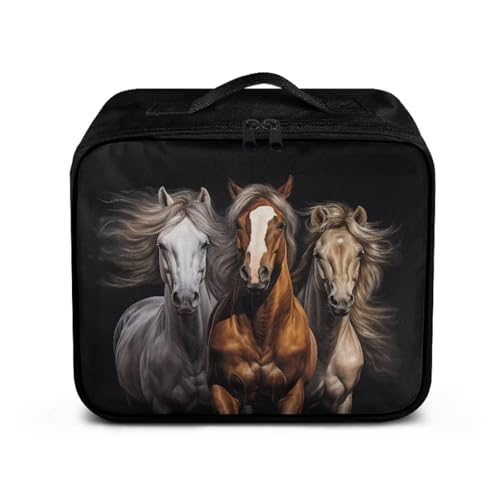
Rnyleeg Rnyleeg Portable Horse First Aid Bag
Empty, organized medical bag to keep every supply sorted and ready in the barn.
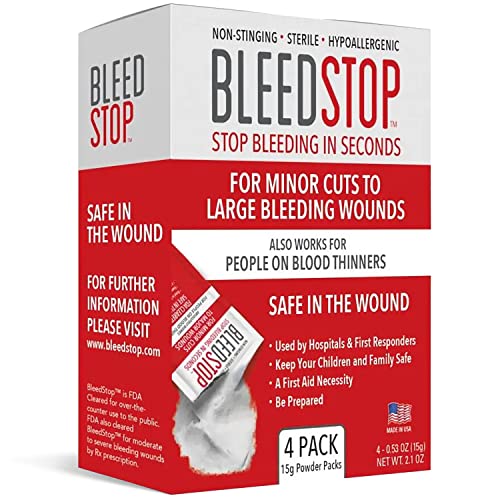
BleedStop BleedStop First Aid Clotting Powder
Rapid clotting powder for bleeding wounds when you need to stop blood fast.

Skyhorse Dr. Kellon's Guide to First Aid for Horses
Quick-reference emergency book to help you judge a wound and act with confidence.
How Do These First Aid Items Compare?
| Item | Type | Use | Best For |
|---|---|---|---|
| Silver Honey Wound Repair | Ointment | Cuts, scrapes, skin | Everyday wound care |
| Farnam Wonder Dust | Wound powder | Minor bleeding, proud flesh | Small nicks and scrapes |
| Betadine Solution | Antiseptic | Cleaning minor wounds | First-step wound prep |
| Rnyleeg First Aid Bag | Organizer bag | Storing supplies | Keeping the kit ready |
| BleedStop Clotting Powder | Clotting powder | Faster clotting | Heavier bleeding wounds |
| Dr. Kellon's First Aid Guide | Reference book | Emergency decisions | Knowing when to call |
How We Picked These First Aid Items
We focused on the core jobs a barn kit needs to do for an older horse: clean a wound, slow bleeding, dress and protect it, and help you decide when a problem is beyond home care. We looked at each product's stated use, ingredient or material details, size, and the patterns in verified owner reviews, then chose a spread across price points and roles rather than a single sealed kit. We did not test these ourselves. The goal is a practical, refillable assortment for senior horses, paired with the judgment of your veterinarian and farrier, who should always lead on deep wounds, eye injuries, severe lameness, or colic.
A Closer Look at Each Item
Absorbine Silver Honey Rapid Wound Repair
This is our top pick because it covers the most common barn scenario: a minor cut, scrape, or skin irritation that needs a gentle, protective dressing. The formula pairs manuka honey with MicroSilver in an ointment that owners reach for on everyday wounds and slow-to-heal patches, which makes it a sensible match for a senior horse's thinner, slower-healing skin. It earns strong, repeat reviews from horse owners who keep it on hand. Use it on clean wounds and let your vet guide anything deep or worsening.
Pros: Manuka honey plus MicroSilver, easy to apply, popular for minor cuts and senior skin, versatile barn staple.
Cons: Not for deep or heavily bleeding wounds, ointment can attract dust, pricier than basic salves.
Farnam Wonder Dust Wound Powder
Wonder Dust is a long-standing barn staple, a styptic wound powder that helps stop minor bleeding from small nicks and scrapes and is widely used to discourage proud flesh on superficial wounds. At a low price it is an easy item to keep stocked, and many owners have used it for years. For a senior horse, it is handy for the small everyday cuts that still deserve prompt attention. Reserve it for minor wounds and call your vet for anything deep, near a joint, or heavily bleeding.
Pros: Inexpensive, helps stop minor bleeding, familiar proud-flesh tool, long shelf presence in barns.
Cons: For superficial wounds only, use carefully and per directions, not a substitute for veterinary wound management.
Betadine Antiseptic Solution (Povidone-Iodine)
Betadine povidone-iodine solution handles the first step of wound care: cleaning. Diluted appropriately, it is a familiar antiseptic for flushing minor cuts and scrapes before you apply an ointment or dressing, and it belongs in nearly every horse kit. It is affordable and shelf-stable, which makes it easy to keep on hand. For senior horses, clean wounds heal more reliably, so this is a quiet workhorse. Follow label directions for dilution and ask your vet how they prefer wounds cleaned for your horse.
Pros: Trusted antiseptic for cleaning minor wounds, affordable, long shelf life, dilutes for gentle flushing.
Cons: Must be diluted correctly, can stain, cleaning alone does not treat deep wounds.
Rnyleeg Portable Horse First Aid Bag
A kit is only useful when you can find everything in a hurry, and this empty, organized medical bag is the backbone of a build-your-own setup. With compartments to sort ointments, powders, gauze, scissors, and a thermometer, it keeps your supplies together and portable so you can grab it for the paddock, the trailer, or a trail ride. Owners like having a dedicated, labeled home for their gear. Write your vet and farrier numbers on it so anyone at the barn can respond.
Pros: Keeps supplies organized and portable, compartments for sorting, good base for a custom kit, easy to grab fast.
Cons: Ships empty so you supply the contents, size may not fit everything, quality varies by use.
BleedStop First Aid Clotting Powder
When bleeding is heavier than a styptic powder can manage, a rapid clotting powder buys valuable time. BleedStop is designed to help wounds clot quickly, which can be reassuring to have in the kit while you apply pressure and call your veterinarian. For an aging horse, faster clot formation supports better outcomes on a worrying wound. Think of it as a stabilizing tool, not a cure: apply firm pressure, use the powder per directions, and treat significant or spurting bleeding as an emergency that needs professional care right away.
Pros: Helps clot bleeding quickly, good for the emergency slot in a kit, simple to apply, reassuring backup.
Cons: Not a replacement for veterinary care, heavy bleeding still needs the vet, must follow directions carefully.
Dr. Kellon's Guide to First Aid for Horses
The most important item in any kit is knowing what to do, and this quick-reference guide rounds out the set. Written for horse owners, it helps you assess a wound, recognize a true emergency, and act calmly while you reach your vet. Keeping it in the bag means decisions do not rest on memory during a stressful moment, which matters most with a senior who may have less reserve. It supports good judgment; it does not replace a phone call to your veterinarian when the situation is serious.
Pros: Clear emergency reference, supports confident decisions, pairs well with a stocked kit, useful for everyone at the barn.
Cons: A book, not treatment, no substitute for veterinary care, you still need to read it before an emergency.
How to Build and Use a Senior Horse First Aid Kit
Assembling the kit is half the job; the other half is making it usable when seconds matter. Keep these practices in mind:
- Know your horse's normal TPR. Record baseline temperature, pulse, and respiration when your senior is healthy, and write the numbers on the kit so you can spot a real change fast.
- Post your vet and farrier numbers. Tape current phone numbers to the lid of the bag so anyone at the barn can call for help without hunting for contacts.
- Clean first, then dress. Flush minor wounds with diluted antiseptic, control bleeding with pressure and powder, then apply an ointment and dressing as needed.
- Call the vet for the serious stuff. Deep or gaping wounds, eye injuries, punctures, wounds near joints or tendons, severe lameness, and colic all need your veterinarian, not home care alone.
- Restock and recheck twice a year. Replace used items, check expiration dates, confirm the thermometer and scissors work, and keep a second small kit in the trailer.
This guide is educational and reflects research into product specs and verified owner reviews rather than hands-on testing. A well-built first aid kit complements but does not replace advice from your veterinarian and farrier, who should always lead care for a serious wound, lameness, or any emergency in your senior horse.
Senior Horse Care Planner
Track your senior horse's vital signs, feed and body condition, farrier and dental schedule, medications, and quality of life, all in one printable planner.
Related Senior Horse Guides
Editor's Pick · Affiliate link
Cosequin ASU for the Older Horse
The joint supplement with the most research behind it in horses, combining glucosamine and chondroitin with avocado and soybean unsaponifiables. Worth starting before an older horse is visibly stiff rather than after.
Frequently Asked Questions
What should a basic horse first aid kit contain?
A practical barn kit covers four jobs: clean a wound, stop bleeding, dress it, and know when to call for help. Core items include an antiseptic like povidone-iodine, a wound ointment, a blood-stopping powder, a clotting agent for heavier bleeding, clean gauze, self-adhesive bandage, scissors, a thermometer, and a quick-reference guide. Keep it all in a labeled, portable bag. Post your vet and farrier numbers on the lid so anyone at the barn can act fast.
Why do senior horses need prompt wound care?
Older horses often heal more slowly, partly because of reduced circulation, thinner skin, and conditions like PPID that can blunt the immune response. A small scrape that a young horse shrugs off can linger or get infected in a senior. Prompt, gentle cleaning and dressing give an aging horse the best chance at uncomplicated healing. When in doubt, photograph the wound, keep it clean, and call your veterinarian rather than waiting to see how it looks tomorrow.
When should I call the vet instead of treating a wound myself?
Call your equine vet for any deep or gaping wound, bleeding that does not slow with pressure, wounds near a joint, tendon, or the eye, puncture wounds, signs of severe lameness, or anything on the lower leg where structures sit close to the skin. Also call for colic, choke, or a wound that looks infected with heat, swelling, or discharge. Your kit handles minor scrapes and buys time before professional care; it does not replace the vet.
What are normal vital signs for a horse?
Knowing your horse's normal TPR helps you judge an emergency. A resting adult horse typically runs a temperature around 99 to 101 degrees Fahrenheit, a pulse of roughly 28 to 44 beats per minute, and 8 to 16 breaths per minute, though seniors and individuals vary. Take baseline readings when your horse is healthy and calm, write them on the kit, and recheck when something seems off. Sharing real numbers with your vet over the phone speeds up good decisions.
How do I control bleeding from a horse wound?
For most bleeding, apply firm, steady pressure with a clean gauze pad or cloth and hold it without peeking for several minutes. A clotting powder or a styptic wound powder can help minor to moderate bleeding clot faster. Avoid wiping repeatedly, which disturbs forming clots. If blood soaks through, add more material on top rather than removing the first layer, keep pressure on, and call your vet. Spurting or heavy bleeding is an emergency that needs professional help quickly.
How often should I check and restock my first aid kit?
Review the kit at least twice a year and after any use. Check expiration dates on antiseptics and ointments, replace anything you used, and make sure scissors and the thermometer still work. Confirm your vet and farrier numbers are current and posted on the lid. Keeping a small duplicate kit in the trailer is wise for shows and trail rides. A stocked, organized kit is only useful if everyone at the barn knows where it lives.
Need more help with your senior horse?
Browse our guides by topic to find practical solutions.
Wellness Planner: $39