Ringbone and Sidebone in Horses: A Clear Guide
Ringbone and sidebone explained for senior horse owners: the difference between them, causes, diagnosis, farrier care, pain relief, and realistic outlooks.
Ringbone and sidebone are two terms that often get mentioned together, usually after an owner sees them on a vet's report and wonders what they mean for their horse. Both involve abnormal bone in the lower limb, both turn up more often in older horses, and both sound alarming. In reality they are different conditions with different outlooks, and many horses live comfortably with one or both for years.
This guide untangles the two, explains what causes them, how vets diagnose them, and the management that keeps affected horses comfortable. Because both conditions live in the lower leg and hoof, good farrier work is at the heart of their care, so this is very much a team effort between you, your equine vet, and your farrier.
Support for the Lower Leg and Hoof

Nutramax Nutramax Cosequin ASU Joint Health Supplement for Horses
Daily glucosamine, chondroitin, MSM, and ASU to support comfort in a horse managing ringbone
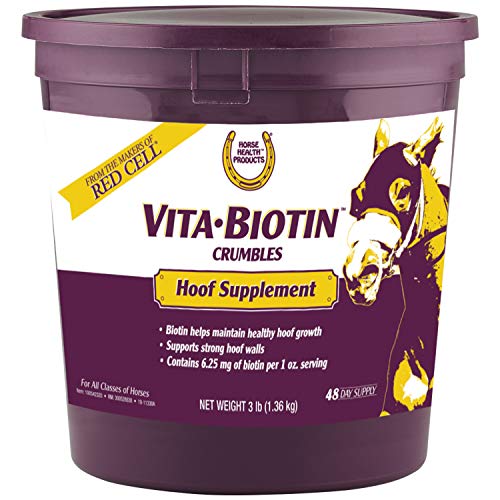
Horse Health Horse Health Vita Biotin Crumbles Hoof Supplement
Biotin support for stronger hoof horn, helping the farrier balance and support an affected foot
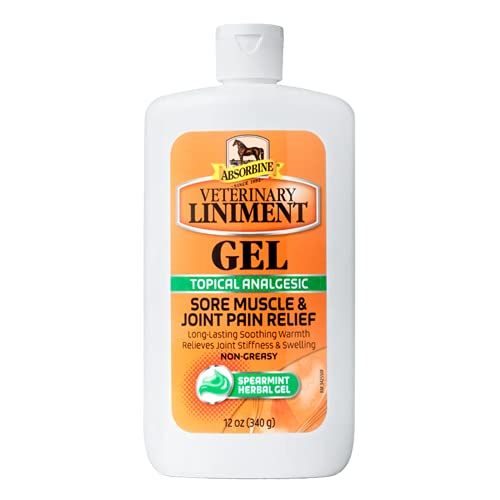
Absorbine Absorbine Veterinary Liniment Gel
A topical menthol rub to soothe the pastern and lower leg after work
Supplements support comfort and hoof quality, but they are companions to veterinary and farrier care. Let's define the two conditions clearly.
Ringbone: Arthritis of the Pastern and Coffin Joints
Ringbone is osteoarthritis, or degenerative joint disease, affecting the joints low in the leg. When it involves the pastern joint, it is called high ringbone; when it involves the coffin joint inside the hoof, it is called low ringbone. As the joint degenerates, the body lays down rough new bone around the margins, which can be felt as a firm bony enlargement around the pastern in high ringbone and which causes pain and lameness.
Ringbone develops from the same forces that drive arthritis elsewhere: years of concussion and stress, uneven loading from conformation, poor hoof balance, old injuries, and age. It is one of the more lameness-causing conditions of the lower limb, and low ringbone in the coffin joint is generally harder to manage than high ringbone in the pastern.
Sidebone: Hardening of the Collateral Cartilages
Sidebone is different. Inside the hoof, on either side of the coffin bone, sit the collateral cartilages, which give the back of the foot flexibility. In sidebone, these cartilages gradually ossify, meaning they turn to bone. Sidebone is most common in heavier horses and in those with a history of concussion or poor hoof balance.
Importantly, sidebone often causes little or no lameness. Many horses have it and work normally for years, and it is frequently discovered incidentally on X-rays taken for another reason. It tends to matter most when it forms rapidly, fractures, or combines with poor hoof balance or other foot problems. So while ringbone and sidebone are often mentioned in the same breath, sidebone is usually the less troublesome of the two.
How Vets Diagnose Them
Both conditions are confirmed through a careful workup. Your vet will perform a lameness exam, use hoof testers and flexion tests, and often apply nerve or joint blocks to pinpoint exactly where the pain is coming from. X-rays then reveal the new bone around the pastern or coffin joint in ringbone, or the ossified cartilages in sidebone. Imaging is essential because it tells the vet which joint is involved and how advanced the changes are, which directly shapes the treatment plan and the outlook.
Senior Horse Care Planner
Track your senior horse's vital signs, feed and body condition, farrier and dental schedule, medications, and quality of life, all in one printable planner.
Managing Ringbone and Sidebone
Neither condition can be cured, because the bony changes are permanent, but both can usually be managed. The pillars of care are similar to arthritis management, with a special emphasis on the foot.
- Farrier care: The single most important tool. Balanced trimming and shoeing to ease breakover, support the heels, and reduce twisting and concussion on the affected joint. Vets and farriers often collaborate using rolled or rocker toes, supportive shoeing, and sometimes pads.
- NSAIDs: Bute or Equioxx under veterinary direction for pain and inflammation, especially during flare-ups.
- Joint therapies: For ringbone, intra-articular injections and systemic joint products may help. Your vet can advise whether the affected joint is a candidate.
- Good footing: Even, well-drained surfaces reduce concussion and twisting on the lower leg.
- Weight and workload: Keeping the horse lean and lowering demands eases the load on the joint.
- Joint and hoof supplements: Supportive over the long term as one layer of a broader plan.
The Outlook
The prognosis varies. High ringbone in the pastern joint sometimes improves over time, because that joint can eventually fuse, and once fusion is complete many horses become noticeably more comfortable. Low ringbone in the coffin joint, which does not fuse the same way, tends to be harder to keep comfortable. Sidebone, when it is not causing lameness, often needs little beyond good routine farrier care. Across the board, horses managed with skilled farrier work, appropriate pain relief, good footing, and a realistic workload frequently stay sound enough for light riding or a contented retirement.
If your horse has been diagnosed with ringbone or sidebone, the most valuable thing you can do is build a strong vet and farrier team and stick with a consistent plan. These are long-game conditions, and steady, thoughtful management is what keeps an affected horse moving well.
This article is educational and complements, but does not replace, advice from your equine veterinarian and farrier. A lameness exam is the right first step for any new or worsening lower-limb lameness.
Related Guides
- Navicular vs Arthritis - Telling two common causes of lameness apart.
- Arthritis in Senior Horses - The broader picture of joint disease.
- Best Footing for Arthritic Horses - Surfaces that protect sore lower limbs.
- Best Joint Supplements for Senior Horses - Comparing the options.
Editor's Pick · Affiliate link
Cosequin ASU for the Older Horse
The joint supplement with the most research behind it in horses, combining glucosamine and chondroitin with avocado and soybean unsaponifiables. Worth starting before an older horse is visibly stiff rather than after.
Frequently Asked Questions
What is the difference between ringbone and sidebone?
Both involve abnormal bone in the lower limb, but they are different conditions. Ringbone is osteoarthritis of the pastern joint (high ringbone) or the coffin joint (low ringbone), where new bone forms around the joint and causes lameness. Sidebone is the hardening, or ossification, of the collateral cartilages on either side of the coffin bone inside the hoof. Ringbone is usually the more lameness-causing of the two, while sidebone is often present without causing obvious lameness.
What causes ringbone in horses?
Ringbone is a form of degenerative joint disease, so it develops from wear, stress, and inflammation in the pastern or coffin joint over time. Contributing factors include conformation that loads the joint unevenly, repeated concussion from work on hard ground, old injuries to the area, poor hoof balance, and simply age. It is more common in older horses and in those with a history of athletic work. Good farrier care and sensible footing help reduce the strain that drives it.
Is ringbone a death sentence for a horse?
No. Ringbone cannot be cured, but many horses are managed comfortably for years. The outlook depends on which joint is affected and how severe it is. High ringbone in the pastern joint sometimes stabilizes as the joint fuses, after which horses can become more comfortable, while low ringbone in the coffin joint tends to be harder to manage. With NSAIDs, joint support, careful farrier work, good footing, and a lighter workload, many ringbone horses stay sound enough for light use or a comfortable retirement.
Can a horse with sidebone be ridden?
Often, yes. Sidebone frequently causes little or no lameness, and many horses with it work normally for years. It tends to matter most when it develops rapidly, fractures, or sits alongside poor hoof balance or other problems. If your horse has sidebone and is sound, balanced farrier care and good footing are usually enough. If lameness appears, your vet can assess whether the sidebone or another issue is responsible, since the two do not always go together.
How is ringbone diagnosed?
A vet diagnoses ringbone with a lameness exam, hoof testers, flexion tests, and nerve or joint blocks to localize the pain, followed by X-rays that show the new bone around the pastern or coffin joint. You may be able to feel or see a firm bony enlargement around the pastern with high ringbone. Imaging is important because it tells the vet which joint is involved and how advanced the changes are, which shapes the treatment and outlook for your horse.
What is the best farrier care for ringbone?
Balanced trimming and shoeing are central to managing ringbone. The goal is to ease breakover, support the heels, and reduce the twisting and concussive forces on the affected joint. Many vets and farriers work together using rolled or rocker toes, supportive shoeing, and sometimes pads to cushion the foot. Because the right approach depends on the individual horse and which joint is affected, ringbone management is a true team effort between your vet and a skilled farrier.
Do joint supplements help with ringbone?
Joint supplements with glucosamine, chondroitin, MSM, and hyaluronic acid are supportive rather than curative for ringbone, since the new bone and joint damage are permanent. Used consistently, many owners feel they help keep an affected horse a little more comfortable as part of a broader plan. They work best alongside the things that matter most for ringbone: veterinary pain relief, excellent farrier care, good footing, weight control, and an appropriately light workload.
Need more help with your senior horse?
Browse our guides by topic to find practical solutions.
Wellness Planner: $39