Why Is My Senior Horse Lying Down More?
An older horse lying down more often is usually easing sore feet or stiff joints, but colic and weakness matter too. Learn the causes, red flags, and comfort tips.
A senior horse that lies down more than usual is most often trying to take weight off sore feet or stiff, arthritic joints. Laminitis, arthritis, general weakness, poor sleep, and colic are the main reasons. The crucial question is how the horse lies down and gets up: a horse that rests calmly and rises easily is very different from one that is restless, painful, or unable to stand, which is an emergency.
Horses are prey animals built to stay on their feet, so a change in resting habits always means something. Some extra rest is normal as a horse ages, but a senior that suddenly spends long stretches lying down, or struggles to rise, is asking for help. This guide walks through the common reasons and how to tell ordinary rest from a problem that needs the vet.
Comfort and Joint Support for Resting Seniors

Cosequin ASU Joint Health Supplement
Glucosamine and ASU to support stiff, arthritic senior joints

Richdel Senior Joint Support Pellets
Joint formula made specifically for older horses

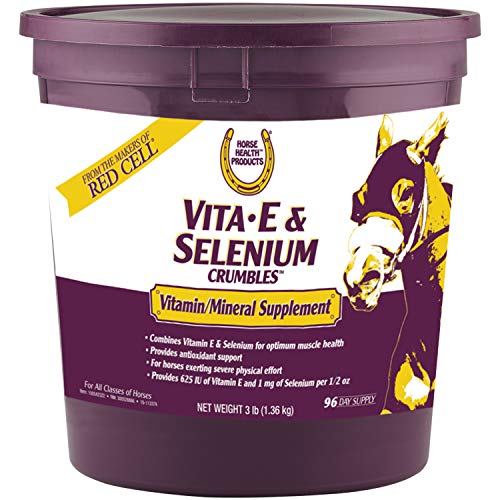
Horse Health Vitamin E & Selenium Crumbles
Supports muscle function and recovery in older horses
Joint supplements and a deep, cushioned bed can make an arthritic senior far more comfortable, but they treat the symptom, not the cause. If your horse's resting pattern has changed noticeably, start with a veterinary exam to find out why.
Why Older Horses Lie Down More
Arthritis and Joint Pain
Degenerative joint disease is extremely common in senior horses, and stiff, painful joints make standing tiring. Lying down relieves the load. Arthritic horses often look stiff when first moving off, improve with gentle movement, and may struggle to rise from the ground. Joint supplements, controlled exercise, weight management, and vet-prescribed pain relief all help. See our guide to signs a senior horse is in pain.
Laminitis
Laminitis is one of the most important causes to rule out, because it is painful and often linked to PPID and EMS. A laminitic horse lies down for long periods to spare its sore front feet, shifts weight from foot to foot when standing, and is reluctant to walk. Laminitis is an emergency. If you suspect it, call your vet right away and read our guide to laminitis in senior horses.
Weakness, Weight Loss, and PPID
A horse that has lost muscle and condition, whether from PPID, poor teeth, parasites, or organ disease, may simply be too weak to stay on its feet comfortably. Increased lying down combined with a long unshed coat, muscle loss, or weight loss points toward PPID and warrants an ACTH test. See why your senior horse is losing weight.
Colic
Lying down can also signal abdominal pain. A horse with colic may lie down and get up repeatedly, roll, paw, sweat, or look at its flank. This is a very different picture from quiet resting and is an emergency. Learn the signs in our guide to colic in senior horses.
Poor Sleep
Horses need to lie flat to reach REM sleep. If pain, anxiety, or a cramped or hard stall keeps a horse from lying down at night, it can become sleep-deprived and then nod off into sudden recumbent episodes by day. A deep, safe, comfortable bed and relief of any pain often fixes this.
When to Call the Vet
| Situation | What to Do |
|---|---|
| Down and cannot rise | Emergency, call the vet immediately |
| Rolling, pawing, sweating | Suspect colic, emergency vet call |
| Stiff, sore, reluctant to move | Vet exam for arthritis or laminitis |
| Lying more with weight or coat changes | Vet exam and ACTH test for PPID |
| Brief daytime collapse episodes | Vet check, improve bedding and comfort |
Senior Horse Care Planner
Track your senior horse's vital signs, feed and body condition, farrier and dental schedule, medications, and quality of life, all in one printable planner.
Keeping a Resting Senior Comfortable
While you work with your vet to find the cause, you can make your horse's rest more comfortable. Provide a generous, dry, well-drained bed of deep shavings or straw over cushioned rubber stall mats, which insulate against cold ground and reduce pressure sores on bony seniors. Make sure the resting space is roomy enough to lie flat and rise without obstruction. Keep weight in a healthy range so joints carry less load, support arthritis with vet-guided pain relief and joint supplements, and keep the farrier on a regular schedule. A horse that can lie down and get up easily, and chooses to rest in moderation, is a comfortable horse. A noticeable change in that pattern is your cue to investigate with professional help.
Editor's Pick · Affiliate link
Cosequin ASU for the Older Horse
The joint supplement with the most research behind it in horses, combining glucosamine and chondroitin with avocado and soybean unsaponifiables. Worth starting before an older horse is visibly stiff rather than after.
Frequently Asked Questions
Why is my senior horse lying down more than usual?
An older horse that lies down more often is usually trying to take weight off sore feet or stiff joints, so arthritis and laminitis top the list of causes. Other reasons include simple fatigue from poor sleep, weakness from weight loss or PPID, and, importantly, colic pain. The key is whether the horse lies down calmly and gets up easily, or whether it seems painful, restless, or reluctant to rise. Any horse that is down and cannot or will not get up is an emergency.
Is it normal for old horses to lie down a lot?
Horses naturally lie down for short periods each day, and they need to lie flat to reach REM sleep. Some increase in resting is normal with age. What is not normal is lying down for long stretches, lying down much more than the rest of the herd, struggling to rise, or lying down with signs of distress like rolling, pawing, or looking at the flank. A noticeable change in your horse's resting pattern is worth a veterinary call.
Could lying down more mean my horse is in pain?
Yes, very often. Horses lie down to relieve pressure on painful feet and stiff, arthritic joints, so increased lying is a common pain signal in seniors. Laminitis in particular makes horses spend long periods lying down to spare the front feet. Watch for other pain cues such as a tense face, reluctance to move, shifting weight, or a shortened stride. If pain seems likely, have your vet examine the horse rather than simply giving bute on your own.
When is a horse lying down an emergency?
Treat it as an emergency if your horse is lying down and repeatedly rolling, pawing, sweating, looking at its belly, or otherwise showing colic signs, or if it is down and unable to rise. A horse that cannot get up risks dangerous complications quickly. Also act fast if lying down comes on suddenly with obvious pain or distress. Call your vet immediately, note vital signs if you safely can, and do not leave the horse unattended.
Can poor sleep make a senior horse lie down more?
Yes. Horses only reach deep REM sleep while lying flat, and a horse that is too sore, too anxious, or too crowded to lie down at night can become sleep-deprived. A sleep-deprived horse may then collapse into sudden, brief recumbent sleep episodes during the day. Providing a deep, comfortable, dry bed and a safe place to lie flat, plus addressing any pain that keeps the horse standing, often restores a normal rest pattern.
How can I make my older horse more comfortable lying down?
Give your senior a generous, soft, dry bed, since hard or thin bedding discourages lying down and can cause pressure sores on bony seniors. Deep shavings or straw over cushioned rubber stall mats provide support and insulation. Make sure the resting area is roomy enough to lie flat and rise without hitting walls, and keep it clean and well drained. Comfortable footing matters most for arthritic horses, which may otherwise avoid getting down at all.
What will the vet check if my horse is lying down more?
Your vet will start with a physical exam and vital signs, then look for the source of discomfort. That usually means a lameness exam and hoof testing for arthritis and laminitis, a body condition check, and often bloodwork to screen for PPID, anemia, infection, or organ disease. If colic is suspected, they will examine the gut. Pinning down whether the cause is foot pain, joint pain, weakness, or something internal guides the right treatment.
Need more help with your senior horse?
Browse our guides by topic to find practical solutions.
Wellness Planner: $39