Stringhalt and Shivers in Older Horses
Stringhalt and shivers are two neuromuscular gait disorders in horses. How to tell them apart, what causes them, and how to manage turnout, vitamin E, and farrier care.
If your horse has started snapping a hind leg sharply upward with each step, or trembling and jerking a hind foot whenever you ask it to back up, you may be looking at one of two distinct neuromuscular gait disorders: stringhalt or shivers. Both involve abnormal control of the hind limbs, both are noticed more often as horses age, and both are commonly confused with each other and with ordinary stiffness.
Getting the diagnosis right matters, because the two conditions have different causes, different outlooks, and different management. This guide explains what each one looks like, how your veterinarian tells them apart, and how to support an affected horse through diet, turnout, and thoughtful farrier care. It is educational information to use alongside your own equine vet and farrier, not a substitute for their hands-on assessment.
Nerve and Muscle Support Supplements

UltraCruz UltraCruz Equine Natural Vitamin E Plus
Natural-form vitamin E to support nerve and muscle health
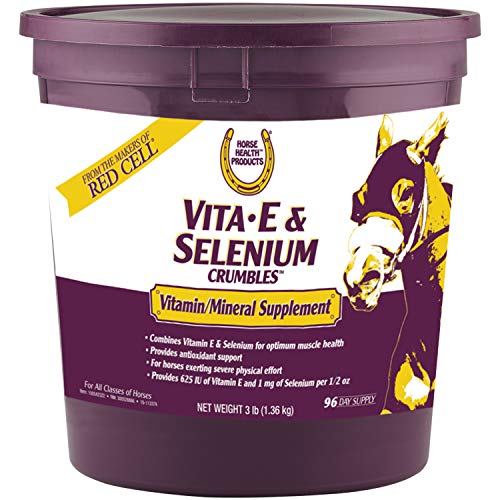
Horse Health Horse Health Vita E & Selenium Crumbles
Antioxidant pairing for horses on hay-based diets


Formula 707 Formula 707 MuscleMx Equine Supplement
Conditioning support for horses losing topline and muscle
A word of caution before you shop: these supplements support nerve and muscle health, but neither stringhalt nor shivers can be supplemented away. They are tools within a plan your veterinarian guides, alongside turnout, management, and farrier accommodations.
Stringhalt: The Exaggerated High Step
Stringhalt produces a sudden, involuntary, and exaggerated flexion of one or both hind limbs. With each affected stride the horse jerks the hoof up sharply toward the belly, sometimes so high that it looks almost like a marching action. Mild cases may show only an occasional hitch, while severe cases affect nearly every step and make the horse difficult to ride or even to walk smoothly.
Pasture-Associated Stringhalt
One important form is pasture-associated, or Australian, stringhalt, which follows grazing on pastures containing certain toxic plants such as false dandelion and other weeds, often in dry conditions when horses are forced to eat what they normally avoid. It can affect several horses on the same pasture at once. The encouraging news is that this form frequently improves or resolves over weeks to months once the horse is removed from the offending plants, though recovery can be slow and a few cases linger.
Other Stringhalt
Stringhalt can also occur with no identifiable plant trigger, sometimes following an injury to the hind limb or for reasons that stay unclear. These idiopathic cases are less predictable. Your veterinarian will examine the horse moving, check for old wounds and other causes of an abnormal gait, and may recommend further diagnostics before settling on a plan.
Shivers: Trembling When Backing or Lifting Feet
Shivers is a chronic, slowly progressive neuromuscular disorder seen most often in tall, large-framed horses, though it appears in many types. The classic picture shows up when the horse is asked to walk backward or to hold up a hind foot: the leg trembles, jerks upward and outward, and may hang in the air while the muscles shake. The tail often lifts and quivers at the same time. At rest and walking forward, many shivers horses look completely normal, which is why the condition is sometimes missed until the farrier struggles with the hind feet.
Unlike pasture stringhalt, shivers does not resolve. It tends to progress gradually over years, and advanced cases can have real trouble balancing on three legs, backing out of a trailer, or standing for hoof care. Because there is no cure, management is built around keeping the horse comfortable, moving, and safe to handle.
Telling Them Apart
| Feature | Stringhalt | Shivers |
|---|---|---|
| When it shows | Walking forward, every affected stride | Backing up or lifting a hind foot |
| Movement | Smooth, exaggerated upward snap of the hoof | Trembling, jerking leg, quivering raised tail |
| Typical course | May resolve if pasture-associated | Slowly progressive, does not resolve |
| Often seen in | Any horse, sometimes groups on one pasture | Tall, large-framed horses |
Because the two can overlap and because other problems such as arthritis, fibrotic myopathy, or upward fixation of the patella can mimic them, an in-person veterinary exam is essential. Filming your horse walking, backing, and having a hind foot lifted gives your vet valuable information, especially since the signs can come and go.
Management That Helps
Turnout and Movement
Both conditions generally do better with consistent turnout and gentle, regular movement than with stall confinement. Keeping muscles working and the horse fit supports balance and comfort. Avoid forcing tight turns or hard backing, which are the movements most affected horses find difficult.
Remove Suspect Plants
If pasture stringhalt is suspected, move the horse off the pasture promptly and work with your vet to identify and control the offending weeds. This single step is often what allows recovery.
Vitamin E and Nutrition
Vitamin E supports nerve and muscle function, and many horses on hay-based diets with little fresh grass run low, since dried forage loses its vitamin E. Your vet may test blood levels and recommend a natural-form supplement. Keep the overall diet balanced for muscle and topline, particularly in older horses already prone to muscle loss, which you can read about in our guide to weight loss in senior horses.
Farrier Accommodations
Hoof care is often the hardest part for a shivers horse, since holding a hind leg up is exactly what triggers the trembling. Tell your farrier the diagnosis ahead of time so they can plan shorter sessions, work lower to the ground, rest the foot on a stand, and take breaks. Patience and good footing keep these appointments safe. Never punish a horse for a leg it genuinely cannot control.
Senior Horse Care Planner
Track your senior horse's vital signs, feed and body condition, farrier and dental schedule, medications, and quality of life, all in one printable planner.
Living With a Gait Disorder
A diagnosis of stringhalt or shivers can be unsettling, but many horses live comfortable, useful years with the right management. Pasture stringhalt often fades once the plant trigger is gone, and even progressive shivers can be managed for a long time with steady turnout, good nutrition, attentive vitamin E status, and a farrier who understands the condition. Partner closely with your equine veterinarian, keep notes and videos of any change, and adapt the routine to what your individual horse can do comfortably.
Related Senior Horse Health Guides
- Weight Loss in Senior Horses - Protecting muscle and topline as horses age.
- Signs a Senior Horse Is in Pain - Monitoring comfort alongside any gait change.
- Lethargy in Senior Horses - When dullness signals a deeper problem.
- Common Health Problems in Senior Horses - An overview of aging-horse conditions.
Editor's Pick · Affiliate link
Cosequin ASU for the Older Horse
The joint supplement with the most research behind it in horses, combining glucosamine and chondroitin with avocado and soybean unsaponifiables. Worth starting before an older horse is visibly stiff rather than after.
Frequently Asked Questions
What is stringhalt in horses?
Stringhalt is a gait disorder marked by sudden, exaggerated upward flexion of one or both hind legs, so the horse snaps a hoof toward its belly with each step. It can range from a subtle hitch to a dramatic, jerky action that affects every stride. One form, pasture-associated stringhalt, follows grazing on certain toxic plants and often improves or resolves once the horse is moved off that pasture. Other cases have no clear cause. Your veterinarian can confirm the diagnosis and rule out look-alike problems.
What is shivers in horses?
Shivers, sometimes called shivering, is a chronic neuromuscular condition that usually shows when a horse is asked to back up or hold up a hind foot. The affected leg trembles and jerks upward and outward, the tail may lift and quiver, and the muscles of the hindquarters can shake. It tends to be slowly progressive and is seen more often in tall, large-framed horses. Unlike pasture stringhalt, shivers does not resolve, so management focuses on comfort and safe handling rather than a cure.
How do I tell stringhalt and shivers apart?
The timing and the trigger are the clues. Stringhalt typically shows as an exaggerated hyperflexion while the horse walks forward, snapping the hoof up sharply with each stride. Shivers usually appears when the horse is backed up or has a hind foot lifted for the farrier, producing trembling and a raised, jerking leg rather than a smooth high step. Stringhalt can be one-sided and may resolve if it is pasture-associated, while shivers is usually progressive. A veterinary exam, sometimes with video, sorts out which one you are seeing.
Are these conditions painful?
Stringhalt and shivers are movement disorders rather than primarily painful diseases, and many affected horses stay comfortable at rest and graze normally. That said, the abnormal muscle activity and altered posture can cause strain and difficulty over time, and horses with advanced shivers may struggle to balance on three legs or back up. Watch body condition, willingness to move, and any signs of secondary soreness. Our guide to the signs a senior horse is in pain can help you monitor comfort alongside the gait.
Does vitamin E help with these conditions?
Vitamin E is an important antioxidant for equine nerve and muscle health, and deficiency is linked to several neuromuscular problems in horses. Many vets recommend testing blood levels and supplementing horses on hay-based diets or limited fresh pasture, since dried forage loses vitamin E. A natural form supplement is generally favored for better absorption. It is supportive nutrition rather than a cure for stringhalt or shivers, so use it under veterinary guidance as one part of a broader plan that includes turnout and good farrier care.
Can a horse with stringhalt or shivers still be handled for the farrier?
Yes, but it takes patience and a calm, informed approach. Horses with shivers often find it hard to hold a hind leg up, so a skilled farrier may work lower to the ground, take frequent breaks, rest the foot on a stand, or trim in shorter sessions. Never force a leg that is trembling, since the horse is not being difficult on purpose. Tell your farrier about the diagnosis ahead of time. Good footing, no rushing, and mutual trust make these appointments far safer.
Will these conditions get worse as my horse ages?
It depends on the condition. Pasture-associated stringhalt frequently improves over weeks to months once the horse is off the offending plants, though recovery can be slow. Classic shivers tends to be slowly progressive, and signs may become more noticeable as a horse ages, especially when backing or during hoof care. Keeping the horse fit with regular turnout and gentle movement, maintaining good vitamin E status, and adapting handling all help preserve quality of life even when the underlying condition cannot be reversed.
Need more help with your senior horse?
Browse our guides by topic to find practical solutions.
Wellness Planner: $39