Senior Horse Not Eating: Causes & Help
When an older horse goes off feed: dental disease, choke, ulcers, pain, fever, and PPID. A step-by-step checklist, when it is an emergency, and how to tempt a senior to eat.
Few things worry an owner faster than a horse that turns away from its feed. For senior horses, a lost appetite is especially concerning, because older animals have little reserve and a problem can snowball quickly. The good news is that many causes are manageable once you find them, and a calm, systematic approach helps you act on the right ones.
This guide explains why an aging horse goes off feed, what to check step by step, when a refusal to eat becomes an emergency, and how to gently tempt a recovering senior back to the bucket. It is educational information meant to work alongside your own equine veterinarian, who should always be involved when a horse stops eating.
Feeds and Support to Tempt a Senior

Triple Crown Triple Crown Senior Gold Premium Feed
Easy-to-chew senior feed that soaks into a soft mash

UltraCruz UltraCruz Equine Appetite Booster
Pelleted support often used to encourage a picky senior to eat
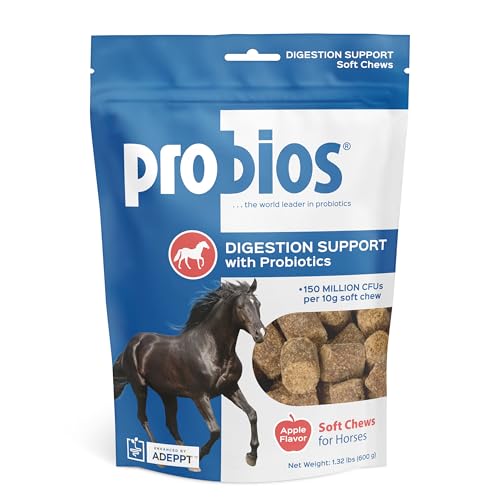
Probios Probios for Horses Soft Chews
Daily probiotic to support gut health and steady digestion
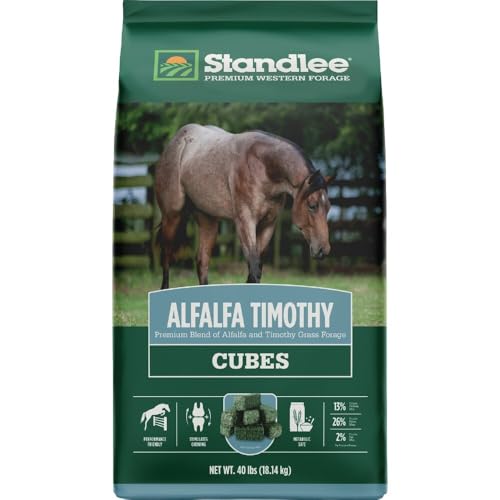
Standlee Standlee Alfalfa/Timothy Cubes
Soak into a soft, palatable mash for horses with worn teeth
A reminder before you reach for feed: tempting products help a horse whose appetite has dipped from age, worn teeth, or recovery, but they do not fix an underlying illness. If your horse has stopped eating and seems unwell, the first move is to call your veterinarian, not to change the bucket.
Why Older Horses Go Off Feed
Inappetence, the medical word for a poor or absent appetite, is a symptom with many possible roots. In senior horses the leading culprits are:
- Dental disease: sharp points, loose or missing teeth, gaps, and EOTRH that make chewing painful. The most common reason an old horse eats poorly.
- Choke: an esophageal obstruction that physically stops swallowing, often from dry or bolted feed.
- Gastric ulcers: stomach discomfort that dulls appetite, especially for grain.
- Pain anywhere: sore feet, arthritis, or laminitis can put a horse off its feed.
- Fever and infection: a sick horse loses interest in eating.
- PPID and metabolic disease: hormonal disease that affects appetite and overall vitality.
- Depression or feed aversion: isolation, stress, or simply disliking a sour or unfamiliar mash.
A Step-by-Step Checklist
When you find your horse off its feed, work through a calm sequence rather than guessing.
| Step | What to Look For |
|---|---|
| Take vital signs | Temperature, heart rate, gum color, capillary refill |
| Watch it try to eat | Quidding, drooling, head tilting, dropping feed, neck stretching |
| Check for colic | Pawing, rolling, flank watching, no manure |
| Review recent changes | New feed, sour mash, dental due, medication, stress |
| Note what it will and won't eat | Refusing grain only, or refusing hay and grass too |
A horse that eats hay but turns from grain points one way, while a horse refusing everything points another. Drooling, coughing, and feed at the nostrils suggest choke. Quidding points firmly at the teeth. Gather these details before you call so your veterinarian can prioritize.
The Dental Connection
Because dental disease causes so many cases, it deserves special attention. Equine teeth wear throughout life, and by old age many horses cannot chew effectively. Quidding, slow eating, packing feed in the cheeks, and weight loss all hint at mouth pain. Poorly chewed food also raises the risk of choke and colic. Regular dental floating by a veterinarian or qualified equine dentist is one of the highest-value things you can do for a senior, and many old horses thrive once switched to soaked feeds and mashes that bypass worn teeth.
When Not Eating Is an Emergency
Some pictures cannot wait. Call your veterinarian immediately if a refusal to eat comes with colic signs such as pawing or rolling, a fever, a fast heart rate, dark or pale gums, or a horse that is dull and reluctant to rise. Suspected choke, with drooling and a stretched neck, also needs a prompt call. Read our guides to choke in senior horses and colic in senior horses to recognize these quickly, and see when to call the vet for the full red-flag list.
Tempting a Senior Back to the Bucket
Once your vet has ruled out a serious cause, you can coax appetite back gently. Offer warm, fresh soaked mashes that are easy to chew and smell appealing, and feed smaller meals more often. Soaked alfalfa or timothy cubes, soaked beet pulp, chopped apple or carrot, and a familiar flavor can all help. Keep mashes fresh, since a sour batch in warm weather will put a horse off further. A digestive supplement supports steady gut function during recovery. Keep water clean and, in cold weather, slightly warm, because dehydration blunts appetite. Reduce stress and provide companionship, since a content herd animal eats far better than an anxious, isolated one.
Always make feed changes gradually over several days, both to protect the hindgut and because an abrupt switch is itself a reason a fussy senior may refuse. If weight has slipped, our guide to weight loss in senior horses covers building condition back safely.
Senior Horse Care Planner
Track your senior horse's vital signs, feed and body condition, farrier and dental schedule, medications, and quality of life, all in one printable planner.
The Bottom Line
A senior horse off its feed is always worth taking seriously. Work through your checklist, take vital signs, and watch how the horse tries to eat, then decide whether you are dealing with sore teeth and a fussy appetite or a genuine emergency. Loop in your veterinarian early, especially when other signs accompany the refusal. Find and fix the cause, then tempt the appetite back gently, and most older horses return happily to the bucket.
Related Senior Horse Health Guides
- Choke in Senior Horses - When the throat, not the appetite, is the problem.
- Gastric Ulcers in Horses - A common reason a horse turns from grain.
- Weight Loss in Senior Horses - Rebuilding condition once eating resumes.
- Lethargy in Senior Horses - When a dull appetite comes with low energy.
Editor's Pick · Affiliate link
Cosequin ASU for the Older Horse
The joint supplement with the most research behind it in horses, combining glucosamine and chondroitin with avocado and soybean unsaponifiables. Worth starting before an older horse is visibly stiff rather than after.
Frequently Asked Questions
Why has my senior horse stopped eating?
An older horse goes off feed for many reasons, and the most common is dental disease: sharp points, loose or missing teeth, or painful EOTRH that make chewing hurt. Other causes include choke, gastric ulcers, pain anywhere in the body, a fever from infection, PPID, depression, or a simple dislike of a new or soaked feed. Some causes are mild, but a complete refusal to eat, especially with other signs, can signal a serious problem. Take vital signs and call your veterinarian to track down the reason.
Is a horse not eating an emergency?
It can be. Complete refusal to eat combined with colic signs such as pawing, rolling, or flank watching, or with a fever, fast heart rate, or a horse that is dull and down, is an emergency that needs the vet now. A horse that drops feed, drools, and stretches its neck may have choke, which also warrants a prompt call. Even without dramatic signs, a horse that has eaten nothing for several hours and seems unwell should be assessed quickly, since older horses have little reserve.
How do dental problems stop a horse eating?
Equine teeth wear continuously, and by old age many horses have sharp enamel points, loose teeth, gaps, or worn surfaces that make chewing painful or ineffective. A telltale sign is quidding, where the horse drops balls of half-chewed hay after trying to eat. Others eat slowly, tilt the head, or pack feed in the cheeks. Painful teeth can lead to weight loss and choke from poorly chewed food. Regular dental floating by a veterinarian or qualified equine dentist is essential, and many seniors need soaked feeds.
What is choke and how is it linked to not eating?
Choke in horses is an esophageal obstruction, usually from food that is bolted, poorly chewed, or too dry, such as unsoaked pellets or beet pulp. The horse can still breathe but cannot swallow, so it stops eating, drools, coughs, and may have feed and saliva at the nostrils while stretching its neck. It is distressing and needs veterinary attention, since it can lead to complications. Soaking feeds, slowing fast eaters, and keeping teeth in good order all reduce the risk. Learn more in our guide to choke.
How can I tempt a senior horse to eat?
Once your vet has ruled out a serious cause, small changes can rekindle appetite. Offer fresh, good quality forage and warm soaked mashes that are easy to chew and smell appealing. Adding soaked alfalfa cubes, a little molasses-free flavoring, chopped apple or carrot, or soaked beet pulp can help, as can feeding smaller meals more often. Keep water clean and warm in cold weather, since dehydration suppresses appetite. Reduce stress, provide companionship, and make any feed change gradually so you do not put the horse off further.
Could ulcers be why my horse is off feed?
Yes. Gastric ulcers are common in horses and can cause a reduced or picky appetite, especially toward grain, along with a dull coat, mild colic, weight loss, and a grumpy attitude. Stress, stall confinement, limited forage, and certain medications raise the risk. A horse that eats hay but turns away from concentrates, or that seems uncomfortable after eating, may have ulcers. Your veterinarian can diagnose them, often by gastroscopy, and treat them effectively. Our guide to gastric ulcers explains the signs and management in more detail.
Should I worry if my horse only refuses soaked feed?
Sometimes a horse off its feed is simply expressing a preference rather than illness, and some older horses dislike the texture or temperature of a soaked mash, particularly if it has gone sour in warm weather or sat too long. Try fresh batches, adjust the water temperature, soak for the recommended time only, and add a familiar flavor. That said, a true loss of appetite is different from being picky. If the horse refuses all feed, or refuses everything including hay and grass, treat it as a medical concern and call your vet.
Need more help with your senior horse?
Browse our guides by topic to find practical solutions.
Wellness Planner: $39