Pain Management for Senior Horses
A vet-first guide to managing chronic pain in older horses: reading the equine pain face, NSAIDs, joint supplements, farriery, body work, and a multimodal comfort plan.
Almost every horse that reaches its late teens and twenties carries some chronic discomfort, most often from osteoarthritis in joints that have worked hard for decades. The encouraging news is that pain in a senior horse is rarely a dead end. With a thoughtful, vet-guided plan, most older horses stay comfortable and content for years, grazing, moving, and enjoying their retirement.
Good pain management starts with one idea: there is no single magic fix. The horses that do best are managed with a layered, or multimodal, approach that combines medication when needed with weight control, sensible exercise, skilled farriery, body work, and soft footing. This guide walks through how to recognize pain, the tools available, and how they fit together. It is educational information to use alongside your own equine veterinarian and farrier, not a substitute for their hands-on advice.
Joint and Comfort Support Supplements

Cosequin Cosequin ASU Joint Health Powder
Glucosamine, chondroitin, MSM, and ASU to support aging equine joints
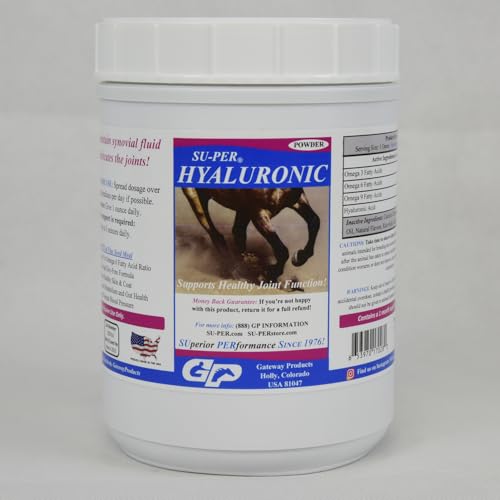
SU-PER SU-PER Hyaluronic Joint Supplement
Hyaluronic acid to support joint lubrication in stiff older horses

SmartEquine SmartEquine Devil's Claw Plus Pellets
Herbal devil's claw blend traditionally used for everyday stiffness

Select the Best Select The Best Mega-MSM Pellets
Pure MSM to support a comfortable inflammatory response in joints
A quick note before you shop: supplements and herbs are supportive tools, not painkillers, and they do not replace a veterinary diagnosis or prescribed medication. Devil's claw in particular should be discussed with your vet, since it should not be combined with NSAIDs or used in horses with ulcers. Always confirm a plan with your own vet first.
Reading Pain in a Stoic Animal
Horses evolved as prey animals, so they hide weakness by instinct. That means pain often shows up as small, easy-to-miss changes rather than obvious limping. Learning to read these signals is the foundation of good management, because you cannot treat what you do not notice.
The Equine Pain Face
Researchers have described a recognizable pain expression in horses: tension above the eye, a strained stare, flared or tense nostrils, tight and angular lips, and ears held stiffly back or to the side. Once you learn this face, you will spot discomfort earlier, often before lameness becomes plain.
Behavioral Signs
- Shortened, stiff, or pottery gait, especially on first movement
- Reluctance to lie down, or trouble getting back up
- Weight shifting, pointing a foot, or standing camped under
- Irritability when groomed, tacked, blanketed, or asked to move over
- Quidding, dropping feed, or slow eating that hints at dental pain
- Withdrawal, dullness, or a drop in herd interaction
Because aging horses can have more than one painful problem at once, a sudden or worsening change always deserves a veterinary exam. Our guide to the signs a senior horse is in pain goes deeper into reading these cues day to day.
Finding the Source: Why Diagnosis Comes First
Pain management works best when you know what you are treating. Arthritis, chronic laminitis, dental disease, EOTRH, and gastric ulcers all cause discomfort but call for very different care. Your vet may use a lameness exam, flexion tests, nerve or joint blocks, radiographs, a dental exam, or scoping to pinpoint the cause. Reaching for bute before a diagnosis can mask a problem that needs specific treatment, so resist the urge to medicate blindly.
The Multimodal Toolbox
Think of comfort as something you build from several smaller pieces. Each tool does part of the job, and together they let you keep doses low and results steady.
NSAIDs: Bute and Equioxx
Non-steroidal anti-inflammatory drugs are the workhorses of equine pain relief. Phenylbutazone, known as bute, is effective and inexpensive but harder on the gut over time. Firocoxib, sold as Equioxx, is more selective and often gentler on the stomach and colon, which makes it a common choice for long-term arthritis in seniors. Both can cause ulcers and kidney strain, and the risk rises with age, dose, and duration. Use only the lowest effective dose your vet sets, never combine two NSAIDs, and keep fresh water available at all times to protect the kidneys.
Joint Supplements and Injections
Oral supplements containing glucosamine, chondroitin, MSM, and hyaluronic acid aim to support cartilage and dampen inflammation. They act slowly and modestly, so give them weeks to show benefit. For targeted relief, your vet may recommend joint injections or systemic options such as polysulfated glycosaminoglycan or intravenous hyaluronic acid, which can ease specific arthritic joints when oral support is not enough.
Body Work, Farriery, and Footing
Hands-on care matters as much as medicine. Regular farriery keeps the feet balanced and supported, and corrective trimming or shoeing can relieve arthritic and laminitic horses. Physical therapy, gentle stretching, massage, and modalities like cold therapy can loosen tight muscles that build up around sore joints. Soft, even footing in the stall, paddock, and gateways reduces concussion and helps an unsteady senior move with confidence.
| Tool | Role in the Plan |
|---|---|
| NSAIDs (bute, Equioxx) | Reduce inflammation and pain; lowest effective vet-set dose |
| Joint supplements | Slow, supportive help for cartilage and stiffness |
| Joint injections | Targeted relief for specific arthritic joints |
| Farriery and trimming | Balanced feet ease strain on legs and body |
| Weight control | Less load on every painful joint |
| Movement and turnout | Keeps joints lubricated and muscles strong |
| Soft footing | Cuts concussion and helps unsteady seniors |
Weight, Movement, and Daily Comfort
Two of the most powerful pain tools cost nothing in a bottle. The first is keeping your horse at a healthy weight, ideally a Henneke body condition score around 4 to 5 out of 9. Every extra pound presses on arthritic joints and feet, so trimming excess condition can transform comfort. The second is steady, low-impact movement. Gentle daily turnout and light exercise keep joints lubricated and preserve the muscle that braces them, while long hours standing in a stall leave arthritic horses stiff and sore.
Small barn adjustments add up too: feeding hay at a comfortable height to ease neck and back strain, providing deep dry bedding so a stiff horse can rest and rise, blanketing in cold damp weather when arthritis flares, and keeping a consistent routine so your horse can move and warm up before being asked to work.
Senior Horse Care Planner
Track your senior horse's vital signs, feed and body condition, farrier and dental schedule, medications, and quality of life, all in one printable planner.
Tracking Comfort Over Time
Chronic pain changes slowly, which makes it hard to judge by memory alone. A simple daily or weekly journal noting stiffness, willingness to move, appetite, and attitude turns guesswork into a clear trend. Patterns like more good days after a farrier visit, or a steady slide despite full treatment, give you and your vet the honest picture you need to adjust the plan or, when the time comes, to have a kind quality-of-life conversation.
Managing pain in a senior horse is a partnership. Lean on your equine vet for diagnosis and medication, your farrier for the feet, and your own daily eyes for the small changes that matter most. With that team in place, most older horses stay comfortable, mobile, and clearly glad to be here well into their senior years.
Related Senior Horse Health Guides
- Signs a Senior Horse Is in Pain - How to read the quiet signals of discomfort.
- Laminitis in Senior Horses - A painful hoof condition that needs urgent care.
- Common Health Problems in Senior Horses - An overview of aging-horse conditions.
- When to Call the Vet for a Senior Horse - Knowing what is urgent and what can wait.
Editor's Pick · Affiliate link
Cosequin ASU for the Older Horse
The joint supplement with the most research behind it in horses, combining glucosamine and chondroitin with avocado and soybean unsaponifiables. Worth starting before an older horse is visibly stiff rather than after.
Frequently Asked Questions
What is the most common cause of chronic pain in senior horses?
Osteoarthritis, the slow wear and inflammation of joints, is the leading source of chronic pain in older horses. Decades of work, old injuries, and conformation faults catch up with the hocks, knees, fetlocks, and coffin joints. Other frequent culprits include chronic laminitis, dental pain from worn or diseased teeth and EOTRH, gastric ulcers, and back and foot soreness. Because several of these can overlap in one aging horse, your veterinarian's exam is the only reliable way to find the true source.
How can I tell if my older horse is in pain?
Horses are stoic prey animals, so signs are often quiet. Look for the equine pain face: tense nostrils, tight lips, a worried eye, and pinned or stiffly held ears. Watch for reduced movement, a shortened or stiff gait, reluctance to lie down or get up, weight shifting, a hunched topline, irritability when groomed or tacked, quidding while eating, and a general drop in interest. Subtle behavior changes over days often matter more than one dramatic sign.
Is bute or Equioxx safe for long-term use in senior horses?
Both phenylbutazone (bute) and firocoxib (Equioxx) can be valuable for managing arthritis pain, but long-term use carries real risks. NSAIDs can cause gastric and right dorsal colon ulcers and can strain the kidneys, and older horses are more vulnerable. Firocoxib is more selective and often gentler on the gut, but it is not risk free. Always use the lowest effective dose set by your vet, never stack NSAIDs, and keep water intake high to protect the kidneys.
Do joint supplements actually help arthritic senior horses?
Evidence varies, but many owners and vets find oral joint supplements a worthwhile part of a wider plan. Ingredients like glucosamine, chondroitin, MSM, and hyaluronic acid aim to support cartilage and reduce inflammation. They work slowly and are not painkillers, so give them time and pair them with weight control, good farriery, and movement. Choose products with transparent ingredient panels and verified owner reviews, and treat them as support around your vet's core treatment, not a replacement for it.
Should an arthritic senior horse rest or keep moving?
Controlled, consistent movement is usually better than stall rest for arthritis. Gentle turnout and light exercise keep joints lubricated, maintain muscle that supports those joints, and ease stiffness. Long periods of standing in a stall tend to make arthritic horses more rigid and sore. The goal is steady low-impact activity on soft, even footing rather than hard work or sudden bursts. Your vet can help you build a movement plan matched to your horse's comfort and condition.
How does farriery affect pain in a senior horse?
Hoof balance has a direct effect on comfort throughout the legs and body. A skilled farrier on a regular schedule keeps the feet level, supports the back of the foot, and can use corrective trimming or shoeing to ease arthritic and laminitic horses. Long toes and underrun heels add strain to already sore joints. For chronic foot pain, your vet and farrier may work together using radiographs to guide trimming, padding, or supportive shoes tailored to that horse.
When is it time to consider that the pain cannot be managed?
Most senior horse pain can be controlled for years with a thoughtful plan, but some conditions eventually outrun treatment. If a horse is reluctant to move, struggles to rise, stops eating, withdraws, or has good days that grow rare despite full veterinary care, it is time for an honest quality-of-life conversation with your vet. Tracking comfort with a simple daily journal helps you see the real trend rather than judging by a single good or bad afternoon.
Need more help with your senior horse?
Browse our guides by topic to find practical solutions.
Wellness Planner: $39