Is a Horse Too Old to Buy? Buying a Senior Horse
No age is automatically too old to buy. Learn the pros and cons of buying a senior horse, what to check in a pre-purchase exam, and how to choose well.
No age is automatically too old to buy a horse. Soundness, health, and temperament matter far more than years. A sound, well-managed horse in its late teens or 20s can be an excellent, experienced, and forgiving partner, especially for beginners and light riders. The real questions are whether the horse's condition fits your goals and whether you accept the shorter remaining lifespan and likely rising care costs.
Buying an older horse is a smart choice for many people, but it calls for clear eyes about the trade-offs. This guide covers the benefits and downsides of buying a senior horse, exactly what to check before you commit, and how to judge whether an individual older horse is right for you. To see how a candidate's age translates, use our horse age calculator, and compare typical lifespans on the average lifespan by breed chart.
Set Up a Newly Bought Senior for Success

Purina Purina Active Senior Feed
Easy-to-chew complete feed to keep a newly bought older horse in condition.

Horse Health Horse Health Joint Combo
Glucosamine and chondroitin to support the joints of an older purchase.
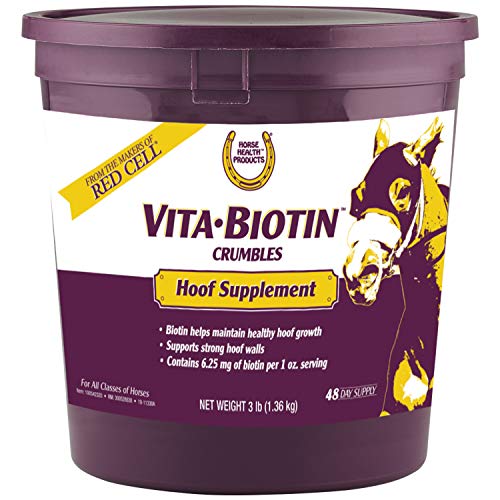
Horse Health Horse Health Vita Biotin Crumbles
Biotin support for sound feet on a senior horse you are bringing home.
The case for buying an older horse
Older horses are often undervalued, and for the right buyer they offer real advantages. Years of handling and training tend to make them calmer, more experienced, and more forgiving than young horses, which makes them safer mounts for beginners, nervous riders, and children. With a senior, much of what you see is what you get: a settled temperament and a known history, rather than the uncertainty of how a youngster will turn out. They are frequently more affordable to buy as well. For someone seeking a reliable partner for light riding, lessons, or companionship rather than a long competitive career, an older horse is often the wiser pick.
The trade-offs to weigh
Buying older does mean accepting some realities:
- Shorter time together. Most horses live 25 to 30 years, so a horse in its 20s has fewer years ahead, something to prepare for both emotionally and financially.
- Higher chance of conditions. Arthritis, dental wear, and Cushing's disease grow more common with age and may need ongoing management.
- Rising care costs. Senior feed, supplements, and more frequent dental and veterinary care tend to increase as a horse ages.
- Limited work. An older horse may suit light riding rather than demanding or competitive work.
None of these are dealbreakers for an informed buyer. They simply mean you should go in with realistic expectations and a budget that accounts for senior care.
What to check before you buy
A thorough pre-purchase process protects you from costly surprises:
- Pre-purchase veterinary exam. Have a vet, ideally one experienced with senior horses, assess soundness, and consider bloodwork and a dental evaluation for an older animal.
- Soundness and movement. Watch the horse move and be ridden, looking for lameness, stiffness, or unevenness.
- Health screening. Check for signs of arthritis, Cushing's (a long or non-shedding coat, regional fat), dental problems, and body condition under the coat.
- History and records. Review vaccination, deworming, dental, and farrier history, and ask about any known conditions.
- Cost of management. Understand what keeping any existing condition comfortable will cost over time.
Senior Horse Care Planner
Track your senior horse's vital signs, feed and body condition, farrier and dental schedule, medications, and quality of life, all in one printable planner.
Choosing the right older horse
The best older horse to buy is the one whose soundness and temperament match what you actually want to do, confirmed by a proper veterinary exam and chosen with honest awareness of the years and costs ahead. For many beginners and light riders, a trustworthy senior is the safest, most rewarding option on the market. Bring a new older horse home onto a foundation of good dental, joint, and feeding care, and you set it up for comfortable years together. For more, see our new senior horse owner checklist and our senior horse health guides.
Editor's Pick · Affiliate link
Cosequin ASU for the Older Horse
The joint supplement with the most research behind it in horses, combining glucosamine and chondroitin with avocado and soybean unsaponifiables. Worth starting before an older horse is visibly stiff rather than after.
Frequently Asked Questions
Is a horse ever too old to buy?
No age is automatically too old to buy, since soundness, health, and temperament matter far more than years. A sound, well-managed horse in its late teens or 20s can be an excellent, safe, experienced partner, especially for beginners and light riders. The real question is whether the horse's condition suits your goals and whether you accept the shorter remaining lifespan and likely rising care costs of an older horse.
What are the benefits of buying an older horse?
Older horses are often calmer, better trained, and more experienced than young ones, making them safer and more forgiving mounts for beginners, nervous riders, and children. What you see is largely what you get, with a settled temperament and known history. They are frequently more affordable to purchase too. For someone who wants a reliable, low-drama partner for light work rather than a long competitive career, an older horse can be ideal.
What should I check before buying a senior horse?
Arrange a pre-purchase veterinary exam that includes a soundness assessment and, for an older horse, consider bloodwork and dental evaluation. Check for arthritis, lameness, Cushing's disease, dental wear, and body condition. Review the horse's history, vaccination and deworming records, and watch it move and be ridden. Understand any existing conditions and what managing them will cost. A vet familiar with senior horses is invaluable in this decision.
How much longer will an older horse live?
It depends on the horse's age and type. Most horses live 25 to 30 years, ponies and minis often into their 30s, and drafts around 18 to 22. So a sound 18-year-old riding horse may have many active years ahead, while a 26-year-old has fewer. Buying an older horse means accepting a shorter remaining lifespan and planning, both emotionally and financially, for its senior care and eventual retirement.
Is it worth buying a horse in its 20s?
It can be very worthwhile for the right buyer. A sound, gentle horse in its 20s can offer years of safe, enjoyable light riding and is often perfect for confidence-building, lessons, or companionship. The trade-offs are a shorter time together and the likelihood of rising veterinary, dental, and feeding costs. If you value temperament and experience over a long athletic career and budget for senior care, a horse in its 20s is well worth considering.
What are the downsides of buying an old horse?
The main downsides are a shorter remaining lifespan, a higher chance of age-related conditions such as arthritis and Cushing's, and care costs that tend to rise with age. An older horse may also be limited in the type or intensity of work it can do. These are manageable for an informed buyer, but they make a thorough pre-purchase veterinary exam and an honest look at your budget and goals essential before committing.
Should a beginner buy an older horse?
Often yes. A calm, experienced, sound older horse is frequently one of the best choices for a beginner, because its training and settled temperament make it safer and more forgiving than a green young horse. The keys are a thorough pre-purchase veterinary exam to confirm the horse is comfortable for the intended work, and realistic expectations about its remaining years and care needs. Many beginners learn best on a trustworthy senior.
Need more help with your senior horse?
Browse our guides by topic to find practical solutions.
Wellness Planner: $39