New Senior Horse Owner Checklist
A practical checklist for new owners of an older horse: first vet and dental exams, essential equipment, feeding, vital signs, quarantine, and herd introductions.
Bringing home an older horse is a wonderful thing, whether it is your first horse or a treasured senior joining your herd. Older horses are often calm, experienced, and a joy to be around, but they also come with extra needs and the responsibility of caring for an aging body. This checklist walks a new owner through the first steps, the equipment that matters, and the routines that keep a senior horse healthy and comfortable, so you can start off confident rather than overwhelmed.
None of this replaces hands-on guidance from your veterinarian, farrier, and experienced horse people, who are your most valuable resources. Use this as a roadmap for those first weeks and the months that follow.
New Senior Horse Owner Essentials

Purina Active Senior Complete Feed
An easy-to-chew base feed to transition a newly arrived older horse onto.

Weaver Equine 7-Piece Grooming Kit
Brushes and tools for daily grooming and bonding with a new horse.

Generic Veterinary Thermometer
Fast, accurate readings to check your new horse against its normal.

Harrison Howard UV-Protection Fly Mask
Day-one fly and sun protection for a senior's sensitive eyes.
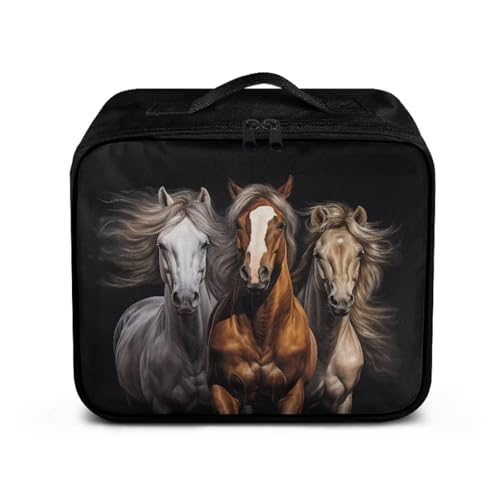
Rnyleeg Horse First Aid Kit Bag
An organized kit so you can handle minor problems from the start.

Skyhorse Dr. Kellon's Guide to First Aid
A trusted reference to know when to treat and when to call the vet.
First steps when the horse arrives
Before anything else, build a picture of your horse's health. Schedule a veterinary exam and a dental check to establish a baseline, and gather the horse's history from the previous owner: vaccinations, deworming, farrier records, and any known conditions. Set up safe fencing, shelter, clean water, and appropriate forage before the horse arrives. If you have other horses, plan a quarantine period of two to three weeks to avoid introducing disease. Starting with a clear health baseline makes every later decision easier.
The equipment you actually need
It is easy to overspend on a new horse, but the genuine essentials are modest:
- Halter and lead. A well-fitting halter and a sturdy lead rope for safe handling.
- Grooming kit. Brushes and a hoof pick for daily grooming and condition checks.
- Feed and water buckets. Plus appropriate forage and any senior feed.
- Fly and weather protection. A fly mask, and a turnout blanket if your climate calls for one.
- First-aid kit. A thermometer, antiseptic, wound care, and bandaging.
You can add specialized gear as you learn the horse, but these basics cover daily care, handling, and minor emergencies.
Learn your horse's normal
The single most valuable skill for a new owner is knowing what is normal for your horse, because that is how you spot trouble. Learn the baseline vital signs and check them when the horse is calm and healthy:
| Vital sign | Typical resting range |
|---|---|
| Temperature | Roughly 99 to 101°F |
| Pulse | About 28 to 44 beats per minute |
| Respiration | Around 8 to 16 breaths per minute |
| Gut sounds | Audible on both sides |
| Gum refill | Pink, with color returning in about 2 seconds |
A healthy horse is bright, eating well, and passing normal manure. Any sudden change, especially in an older horse, is a reason to call your vet.
Feeding and routine care
When the horse arrives, continue its current diet at first to avoid digestive upset, then transition gradually to your program over a week or two. Forage is the foundation. If the horse has worn teeth or is underweight, a complete senior feed and soaked hay replacers help, and an early dental exam is wise since teeth drive much senior weight loss. Set up regular farrier visits, usually every six to eight weeks, and at least annual veterinary and dental exams. Routine care prevents far more than it costs.
Senior Horse Care Planner
Track your senior horse's vital signs, feed and body condition, farrier and dental schedule, medications, and quality of life, all in one printable planner.
Settling in for the long haul
The first weeks with a new senior horse are about laying a foundation: a health baseline from the vet and dentist, the essential equipment, a feeding plan built on forage, and a daily habit of observing your horse closely. Quarantine and introduce a newcomer to the herd carefully so a gentle old horse is not bullied. Lean on your vet, farrier, and experienced friends, and give yourself grace as you learn. With a steady routine and attentive eyes, you and your older horse are set for many good years together.
Editor's Pick · Affiliate link
Cosequin ASU for the Older Horse
The joint supplement with the most research behind it in horses, combining glucosamine and chondroitin with avocado and soybean unsaponifiables. Worth starting before an older horse is visibly stiff rather than after.
Frequently Asked Questions
I just got an older horse. What should I do first?
Schedule a veterinary exam and a dental check to establish a baseline, and ask the previous owner for the horse's health, vaccination, deworming, and farrier history. Learn the horse's normal temperature, pulse, manure, and appetite so you can recognize changes. Set up safe fencing, shelter, clean water, and appropriate forage before the horse arrives. Starting with a clear picture of the horse's health makes everything that follows much easier.
What equipment does a new horse owner actually need?
The essentials are a well-fitting halter and lead, a grooming kit including a hoof pick, feed and water buckets, appropriate forage and any senior feed, fly protection, a turnout blanket if your climate calls for it, and a basic first-aid kit with a thermometer. You do not need everything at once, but these core items cover daily care, handling, and the ability to respond to minor problems while you build experience with your new horse.
How do I know if my senior horse is healthy?
Learn the baseline vital signs: a normal temperature is roughly 99 to 101 degrees, resting pulse around 28 to 44 beats per minute, and you should hear gut sounds on both sides. A healthy horse is bright, eating well, passing normal manure, and standing square. Daily observation is your best monitoring tool. Any sudden change in appetite, manure, attitude, or comfort, especially in an older horse, is a reason to call your vet.
How often does a horse need the farrier and vet?
Most horses need farrier attention every six to eight weeks to keep the feet balanced, though this varies. Senior horses generally benefit from at least one thorough veterinary exam a year, and many from twice-yearly visits plus annual or twice-yearly dental checks. Set these up on a regular schedule rather than waiting for problems. Routine care is far cheaper and easier than crisis care, and it catches age-related issues early.
What should I feed a senior horse I just bought?
Start by continuing the horse's current diet to avoid digestive upset, then transition gradually to your chosen program over a week or two. Forage should be the foundation. If the horse has worn teeth or is underweight, a complete senior feed and soaked hay replacers help. Have the teeth checked early, since dental problems drive much senior weight loss. When in doubt, consult your vet or an equine nutritionist for a plan suited to the individual.
Do I need to quarantine a new horse?
If you have other horses, isolating a newcomer for two to three weeks is wise to avoid introducing disease. Keep the new horse separated, handle it last, use dedicated equipment, and watch for coughing, nasal discharge, fever, or diarrhea. Confirm its vaccination status and deworm based on a fecal count. Quarantine protects your existing herd and gives you time to get to know the new horse before full integration.
How do I introduce a new horse to the herd?
Go slowly after quarantine. Let horses meet over a safe fence first so they can sniff and squeal without contact, then introduce them in a large space with room to move away. Remove hind shoes if possible, ensure plenty of separated hay piles to reduce competition, and supervise early turnout. For a senior, make sure it is not bullied away from food or shelter, and step in if it cannot hold its own against pushier herd mates.
Need more help with your senior horse?
Browse our guides by topic to find practical solutions.
Wellness Planner: $39