Senior Horses in Mud Season: Hoof and Skin Care
Manage mud season for an older horse: prevent thrush, abscesses, and mud fever, protect arthritic legs, and provide dry footing for hoof and skin health.
The wet weeks between winter and summer, when paddocks turn to deep, sucking mud, are a quietly difficult time for senior horses. Mud is heavy going for arthritic legs, constant wet softens hooves and invites thrush and abscesses, and perpetually damp lower legs can break out in a painful condition called mud fever. Older horses, with their weaker skin and slower healing, feel all of this more keenly. With a few management habits you can keep your senior comfortable and sound through even the muddiest stretch.
This guide covers the three big mud-season challenges for an older horse: hoof health, skin and mud fever, and protecting tired arthritic legs. Anything beyond mild, early problems deserves a call to your veterinarian or farrier, since abscesses and severe mud fever need professional treatment.
Mud Season Hoof and Skin Care

Grooms Hand Hoof Thrush Treatment Gel
Targets thrush in the frog, common when wet mud softens the hoof.

Vetericyn Equine Hoof & Sole Care
Supports the sole and frog against damage from wet, muddy footing.
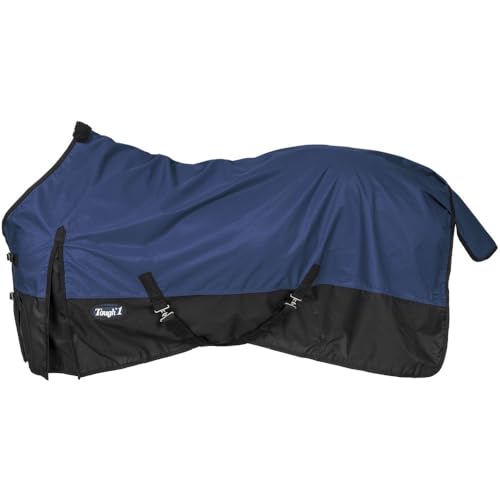
Tough 1 Waterproof Turnout Sheet
Keeps the body dry so a senior is not chilled by mud-season rain.

Weaver Equine 7-Piece Grooming Kit
Brushes to gently remove dried mud once it flakes off the coat and legs.
Protecting hooves in the wet
Constant moisture is the enemy of healthy hooves. Wet softens the hoof wall and the frog, leaving both vulnerable to thrush, a foul-smelling bacterial infection, and to abscesses that can leave a horse suddenly and severely lame. The single most important habit in mud season is picking out every hoof daily. This clears packed mud, lets you smell and see thrush early, and helps you catch a brewing abscess before it blows up.
Keep your farrier on schedule, because balanced, well-trimmed feet shed mud and resist disease far better than long, neglected ones. At the first whiff of thrush, treat it. Most importantly, give the hooves time to dry, since no product substitutes for letting a wet foot breathe on firm, dry ground for part of the day.
Mud fever and skin care
Mud fever, also known as pastern dermatitis or scratches, is a painful skin infection of the lower legs. Prolonged wetness softens the skin until bacteria breach it, producing scabs, crusts, swelling, and soreness around the heels and pasterns. Senior skin is thinner and slower to heal, so older horses are prime candidates. The key to prevention is letting legs dry rather than keeping them wet.
- Let mud dry, then brush it off. Gentle brushing of dried mud beats endless hosing that keeps legs damp.
- Dry legs thoroughly with a clean towel if you do wash them.
- Do not scrub raw skin or pick at scabs, which spreads infection and causes pain.
- Provide dry standing so legs get hours out of the mud each day.
If scabs, swelling, and heat appear, call your vet. Established mud fever often needs clipping, careful cleaning, and prescribed medication to clear.
Sparing arthritic legs
Deep mud is exhausting to wade through and slippery to stand in, a double burden for a stiff, arthritic senior. You still want the horse moving, because gentle movement keeps arthritic joints lubricated, but not by laboring through a bog. Improve footing on the paths your horse uses most, keep gateways and feeding areas from turning to soup, and provide access to firmer ground. The goal is steady, easy movement on safe footing rather than a daily struggle through deep mud.
| Mud-season problem | Warning signs | Management |
|---|---|---|
| Thrush | Black, foul-smelling discharge in the frog | Daily hoof picking, thrush treatment, dry footing |
| Abscess | Sudden severe lameness, heat, digital pulse | Farrier or vet, keep foot clean and dry |
| Mud fever | Scabs, swelling, soreness on lower legs | Dry legs, gentle care, vet for severe cases |
| Strain and slips | Stiffness, reluctance, near-falls in mud | Better footing, firmer paths, safe movement |
Building a drier turnout
Much of mud-season care comes down to giving hooves and legs a chance to dry. Rotate pasture so one area is not churned to soup, improve drainage or add gravel or rubber mats in gateways, around water, and at feeding spots, and create at least one dependable dry standing area. Feed off the ground in dry places rather than in the mud. Bring the horse onto firmer ground during the worst weather. Breaking the cycle of constant wet prevents most mud-season problems before they start.
Senior Horse Care Planner
Track your senior horse's vital signs, feed and body condition, farrier and dental schedule, medications, and quality of life, all in one printable planner.
Through the mud and out the other side
Mud season passes, but the damage it does to an unmanaged senior can linger in sore feet, infected legs, and lost condition. Pick hooves daily, keep legs as dry as you can, manage thrush and mud fever early, spare arthritic legs from deep mud, and engineer some dry ground into the turnout. Lean on your farrier and vet for hoof and skin problems that go beyond the mild. With attentive care, your older horse can come through the muddy weeks sound, comfortable, and ready for the firmer ground ahead.
Editor's Pick · Affiliate link
Cosequin ASU for the Older Horse
The joint supplement with the most research behind it in horses, combining glucosamine and chondroitin with avocado and soybean unsaponifiables. Worth starting before an older horse is visibly stiff rather than after.
Frequently Asked Questions
Why is mud season hard on senior horses?
Deep mud is heavy going for arthritic legs, tiring a stiff old horse and increasing the risk of slips and strains. Constant wet softens hooves and invites thrush and abscesses, while perpetually damp skin on the lower legs can develop a painful condition called mud fever or pastern dermatitis. Senior horses with weaker skin and slower healing are especially prone, so mud season needs active management to keep an older horse sound and comfortable.
What is mud fever and how do I prevent it?
Mud fever, also called pastern dermatitis or scratches, is a painful skin infection of the lower legs caused by prolonged wetness that lets bacteria breach softened skin. It shows as scabs, crusts, swelling, and soreness on the heels and pasterns. Prevent it by giving legs a chance to dry, avoiding constant mud, keeping legs clean, and not scrubbing raw. If scabs and swelling appear, have your vet guide treatment, as severe cases need medication.
Should I hose mud off my horse's legs?
Be careful. Repeatedly hosing legs and leaving them wet can make mud fever worse, because the problem is moisture. It is often better to let mud dry, then brush it off gently once it flakes away. If you must wash a leg, dry it thoroughly afterward with a clean towel. The goal is clean, dry skin, so anything that keeps the lower legs damp for hours works against you in mud season.
How do I protect hooves in wet, muddy conditions?
Pick out hooves daily so you can spot the black, foul-smelling discharge of thrush early and catch any developing abscess. Constant wet softens the hoof and the frog, making both more vulnerable. Keep your farrier on schedule, since balanced feet shed mud and resist disease better, and consider a thrush treatment at the first sign of trouble. Providing a dry place to stand for part of the day does more for hoof health than any product.
Do horses need a dry place to stand in mud season?
Yes, and it is one of the most valuable things you can provide. Standing in mud around the clock damages hooves and skin and exhausts arthritic legs. A well-drained area, a stall for part of the day, or improved footing in high-traffic spots like gateways and around water gives hooves and legs time to dry and rest. Even a few dry hours a day substantially reduces thrush, mud fever, and abscess risk for a senior.
Can I keep my arthritic horse moving in mud?
Movement keeps arthritic joints lubricated, so you want a senior to keep moving, but not by laboring through deep mud, which strains stiff legs and risks slips. Improve footing on the paths the horse uses most, give access to firmer ground, and keep gateways and feeding areas from turning into bogs. Gentle daily movement on safe footing is ideal, while floundering through deep mud does more harm than good for an older horse.
How do I manage a muddy turnout for a senior?
Rotate pasture to avoid churning one area to soup, improve drainage or add footing such as gravel or mats in gateways, around water, and at feeding spots, and create at least one dry standing area. Feed off the ground in dry spots rather than in the mud. Bring the horse in or onto firmer ground during the worst conditions. The aim is to break the cycle of constant wet that drives most mud-season problems.
Need more help with your senior horse?
Browse our guides by topic to find practical solutions.
Wellness Planner: $39