Fly Season Management for Senior Horses
Protect an older horse through fly season: UV fly masks for aging eyes, fly sheets, repellents, barn hygiene, and managing fly-related skin and eye problems.
Flies are more than a summer nuisance for a senior horse, they are a genuine drain on its comfort and energy. An old horse spends precious energy stamping, swishing, and twitching to fend off flies, tiring already arthritic legs, while the insects cluster around aging eyes and bite thin, slow-healing skin. A heavy fly burden that a young horse barely notices can wear an older one down over a long summer. With a layered strategy of physical barriers, repellents, and good barn hygiene, you can give your senior real relief.
This guide covers fly masks and eye protection, fly sheets and repellents, reducing the fly population at its source, and managing the skin and eye problems flies cause. Any persistent eye or skin issue deserves a call to your veterinarian, since these can worsen fast in an older horse.
Fly Season Protection for Seniors

Harrison Howard UV-Protection Fly Mask
Shields aging eyes from flies and sun with breathable mesh and ear coverage.

Absorbine UltraShield Fly Repellent
Kills and repels flies, mosquitoes, and gnats on exposed areas.

Protecting aging eyes
Flies gather around a horse's eyes to feed on moisture and can spread bacteria that cause conjunctivitis and other infections. The constant irritation leaves eyes runny, swollen, or squinting. Older horses are more prone to eye problems in general, so guarding the eyes is a priority. A UV fly mask is the simplest effective defense, keeping flies off while also shielding sensitive eyes from sun. Choose a mask with good eye clearance and, if needed, ear coverage, and remove it daily to clean it and check for rubs and trapped debris. Any eye that stays runny, cloudy, swollen, or held shut needs prompt veterinary attention.
Sheets, sprays, and physical barriers
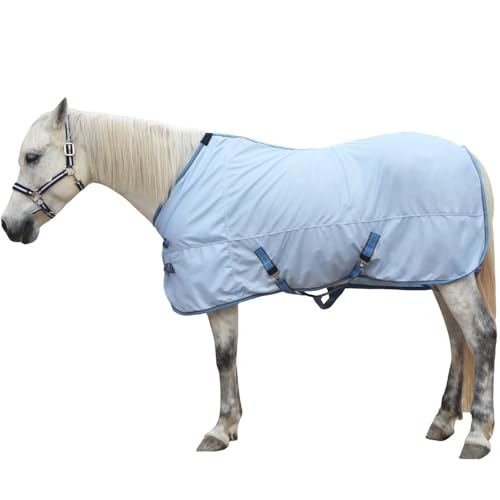
Beyond the eyes, the body needs protection too. A breathable mesh fly sheet blocks biting insects while letting heat escape, which spares a senior from both bites and the energy wasted swishing them away. Fly repellents reduce bites on exposed areas like the legs and face. Use them thoughtfully on an older horse:
- Avoid the eyes and broken skin. Spray onto a cloth to wipe the face rather than spraying near the eyes.
- Spot-test new products. Try a small area first, especially on thin or sensitive senior skin.
- Do not overapply. Follow label directions and stop if you see any reaction.
- Keep a spare mask. A second mask means one is always clean while the other is washed.
Reducing the fly population
Products work far better when there are fewer flies to begin with. The most effective fly control attacks the breeding sites:
| Strategy | Why it works |
|---|---|
| Frequent manure removal | Manure is the main fly breeding ground; remove and compost it away from horses |
| Eliminate standing water | Removes breeding sites for flies and mosquitoes |
| Clean feed areas | Spilled feed and damp bedding attract and feed flies |
| Fly predators and traps | Reduce the adult and larval population over the season |
| Barn fans | Moving air disrupts fly flight and cools the horse |
Fly-related skin problems
Biting flies and midges cause welts, hair loss, and intense itching, and some horses develop sweet itch, an allergic reaction to midge bites that leaves the mane and tail raw from rubbing. Senior horses with thinner skin and slower healing suffer more from all of it. Fly sheets, repellents, and stabling during peak biting times, often dawn and dusk, reduce exposure. For severe itching, welts, or an allergic reaction, your vet can recommend targeted management and treatment rather than letting a horse rub itself raw all summer.
Senior Horse Care Planner
Track your senior horse's vital signs, feed and body condition, farrier and dental schedule, medications, and quality of life, all in one printable planner.
A comfortable summer for your senior
Fly season does not have to mean misery for an older horse. Layer your defenses: a UV mask for the eyes, a breathable fly sheet for the body, careful use of repellent on exposed areas, and aggressive barn hygiene to cut the fly population at the source. Check masks and sheets daily for rubs and trapped debris, watch the eyes and skin closely, and bring your vet in for anything that does not settle. With a thoughtful, layered approach, your senior horse can spend the summer grazing in peace instead of fighting flies.
Editor's Pick · Affiliate link
Cosequin ASU for the Older Horse
The joint supplement with the most research behind it in horses, combining glucosamine and chondroitin with avocado and soybean unsaponifiables. Worth starting before an older horse is visibly stiff rather than after.
Frequently Asked Questions
Why are flies harder on senior horses?
Older horses have less energy to spare for the constant stamping, tail swishing, and skin twitching that fending off flies demands, and that wasted effort tires arthritic legs. Senior eyes are more prone to problems, so the irritation and infection flies spread around the eyes matter more. Thinner, slower-healing skin makes bites and rubs worse. A fly burden that a young horse shrugs off can genuinely wear down an old one over a long summer.
What is the best fly protection for an older horse?
A layered approach works best. A UV fly mask protects the eyes, a fly sheet shields the body from biting insects, and a repellent reduces bites on exposed areas. Add barn and pasture management such as manure removal and standing-water control to cut the fly population at the source. No single product does everything, so combining physical barriers, repellents, and good hygiene gives a senior the most relief through fly season.
Are fly masks safe to leave on all day?
Quality fly masks are designed for daytime turnout, but they need daily checks. Remove the mask at least once a day to clean it, check for rubs at the cheeks and ears, and make sure no debris or seeds have worked inside against the eye. Ensure the fit is correct so the mesh sits off the eyes. Take masks off at night unless you specifically need night protection, and replace any mask that has become stiff, dirty, or damaged.
How do flies affect a horse's eyes?
Flies cluster around the eyes to feed on moisture and can spread bacteria that cause conjunctivitis and other infections, while constant irritation leads to runny, swollen, or squinting eyes. Older horses are more prone to eye problems generally, so this matters. A UV fly mask is the simplest effective defense. Any eye that is persistently runny, cloudy, swollen, or held shut needs prompt veterinary attention, since eye problems can worsen quickly.
How do I reduce flies around the barn?
Attack the breeding sites. Remove manure frequently, since it is the main fly nursery, and compost it away from the horses. Eliminate standing water where flies and mosquitoes breed, keep feed areas clean, and improve drainage in wet spots. Fly predators, traps, and barn fans that disrupt flight all help. Reducing the population at the source makes masks, sheets, and sprays far more effective and gives a senior real relief.
Can flies cause skin problems in senior horses?
Yes. Biting flies and midges cause welts, hair loss, and intense itching, and some horses develop sweet itch, an allergic reaction to midge bites that leads to raw, rubbed skin along the mane and tail. Older horses with thinner skin and slower healing suffer more. Fly sheets, repellents, and stabling during peak biting times reduce exposure. For severe or allergic skin reactions, your vet can recommend targeted management and treatment.
Is fly spray safe for older horses?
Equine fly repellents are generally safe for senior horses when used as directed, but apply thoughtfully. Avoid the eyes and any broken or irritated skin, spot-test a new product on a small area first, and never overapply. Spray onto a cloth to wipe the face rather than spraying near the eyes. For thin-skinned or sensitive seniors, gentler or natural formulas may suit better. Always follow label directions and stop if you see any reaction.
Need more help with your senior horse?
Browse our guides by topic to find practical solutions.
Wellness Planner: $39