Best Senior Horse Blankets 2026
Compare 6 horse blankets for 2026 to keep senior horses warm and dry, from rainsheets to heavyweight turnouts, with denier, fill, fit, and PPID guidance.
Older horses feel the cold more than they used to. Hard keepers run short on the body fat that fuels warmth, PPID coats insulate poorly once wet, arthritic joints stiffen in the chill, and body-clipped seniors lose their natural protection entirely. For these horses, the right blanket is real welfare, keeping them warm and dry so they hold condition through winter instead of burning calories to stay warm. The key word is right: not every senior needs blanketing, and over-blanketing a metabolic horse causes its own problems. The art is matching the blanket to the individual horse, their coat, their condition, and your climate.
We compared widely available horse blankets by denier, fill weight, waterproofing, fit features, and the patterns in verified owner reviews. We did not run our own trials. This research-based guide spans rainsheets for waterproofing without heat, medium-weight turnouts, heavyweight insulated blankets for hard cold, a stable blanket for clipped horses indoors, and a mini and pony option, so you can match the right layer to your senior. The themes that matter most are fit, because a bony older horse rubs easily, and flexibility, since having more than one weight lets you adjust as winter weather and your horse's needs change.
Best Senior Horse Blankets 2026

Country Pride Country Pride Glacier 300g Heavyweight
600D ripstop heavyweight turnout with 300g fill, waterproof warmth for hard winter cold.
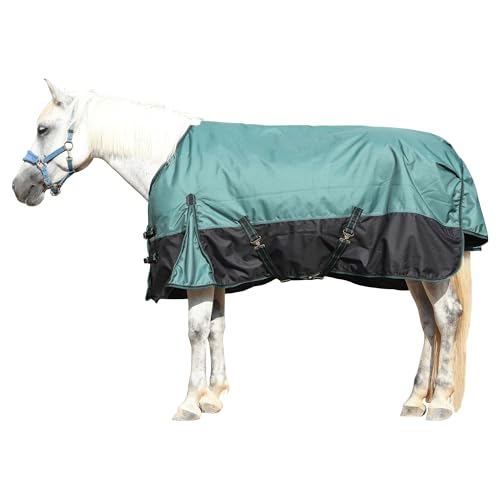
Gallopoff Gallopoff 1200D Medium-Weight Turnout
Tough 1200D ripstop turnout with 200g fill for everyday medium-weight warmth.

HORZE HORZE Nevada Stable Blanket
200g medium-weight stable blanket to keep clipped seniors warm indoors.

LEAFOREST LEAFOREST 1200D Turnout (No Fill)
Waterproof breathable 1200D turnout sheet for wind and rain protection without overheating.

BARN & STABLE BARN & STABLE 420D Rain Sheet
Lightweight water-resistant turnout sheet for mild, wet days without added warmth.

Tough 1 Tough1 600D Mini Turnout Blanket
Durable 600D turnout sized for senior minis and small ponies that feel the cold.
How Do These Blankets Compare?
| Blanket | Denier | Fill | Best For |
|---|---|---|---|
| Country Pride Glacier | 600D | 300g heavyweight | Hard winter cold |
| Gallopoff Turnout | 1200D | 200g medium | Everyday warmth |
| HORZE Nevada Stable | Stable | 200g medium | Clipped, indoors |
| LEAFOREST Turnout | 1200D | No fill | Wind and rain |
| BARN & STABLE Sheet | 420D | No fill | Mild wet days |
| Tough1 Mini Turnout | 600D | Filled | Minis and ponies |
How We Picked These Blankets
We focused on what keeps an older horse warm and dry without causing new problems: appropriate denier for durability, a fill weight to match the climate and the horse, reliable waterproofing on turnouts, fit features like shoulder gussets that spare a bony frame, and the patterns in verified owner reviews. We chose a spread across heavyweight and medium turnouts, a no-fill rainsheet, a stable blanket for clipped horses, and a mini and pony option, so you can build a flexible wardrobe for your senior. We did not test these ourselves. We emphasized fit and the value of owning more than one weight, since a single blanket rarely suits a whole variable winter.
A Closer Look at Each Blanket
Country Pride Glacier 300g Heavyweight
The Glacier is our top pick for a senior facing real winter, pairing a 600D ripstop waterproof shell with a warm 300g fill to hold body heat through hard cold and wet. For a thin, clipped, or cold-sensitive older horse in a harsh climate, heavyweight insulation is what protects condition when temperatures drop. The waterproof outer keeps that warmth dry in snow and rain. Check the fit carefully on a bony senior and watch for shoulder rubs, and reserve this weight for genuinely cold conditions so you do not overheat the horse on milder days.
Pros: Warm 300g fill, waterproof 600D shell, ideal for hard cold, protects condition.
Cons: Too warm for mild days, check fit on bony frames, heavyweight only.
Gallopoff 1200D Medium-Weight Turnout
The Gallopoff combines a tough 1200D ripstop shell with 200g of medium-weight fill, making it a versatile everyday turnout for the broad middle of winter. The high denier resists tears, pawing, and rough turnout, which suits an active or itchy horse, while the moderate fill covers typical cold without overheating. For many seniors, a good medium-weight turnout is the workhorse of the wardrobe. It is also keenly priced for the durability. Match it to average winter conditions, layer a sheet over or under as needed, and check the fit and waterproofing as the season wears on.
Pros: Tough 1200D shell, versatile 200g fill, durable for turnout, good value.
Cons: Medium weight only, may need layering in deep cold, check fit.
HORZE Nevada Stable Blanket
The HORZE Nevada is a 200g medium-weight stable blanket built for indoor use, ideal for keeping a clipped or thin senior warm in the barn overnight. Stable blankets are not waterproof, so this is for dry indoor wear rather than turnout, layering nicely under a waterproof sheet if the horse goes out. For a body-clipped PPID horse stalled in winter, a stable blanket restores the warmth clipping removed. HORZE is a recognized brand with sensible fit. Use it indoors, monitor for sweating or chilling, and pair it with a turnout layer if your senior splits time between stall and paddock.
Pros: Warm 200g fill, good for clipped seniors indoors, recognized brand, layerable.
Cons: Not waterproof, indoor use only, needs a turnout layer for outside.
LEAFOREST 1200D Turnout (No Fill)
The LEAFOREST is a waterproof, breathable 1200D turnout sheet with no fill, designed to block wind and rain without adding warmth, which is exactly right for a senior that needs to stay dry but not hot. The tough 1200D shell handles turnout, and the breathability helps prevent sweating. For mild but wet weather, or over a stable blanket as a waterproof layer, a no-fill turnout is one of the most useful pieces in the wardrobe. It keeps a horse dry, which matters because a wet coat chills fast. Check the fit and re-waterproof the shell as the coating wears.
Pros: Waterproof and breathable, tough 1200D shell, no overheating, good layering sheet.
Cons: No insulation, not for cold without a layer, re-waterproof over time.
BARN & STABLE 420D Rain Sheet
The BARN & STABLE rain sheet is our value pick, a lightweight 420D water-resistant turnout sheet for mild, wet days when a horse needs to stay dry without extra warmth. At the lowest price here, it is an easy way to add rain protection for a senior that is otherwise comfortable. The lighter 420D shell is less rugged than 1200D, so it suits gentler turnout rather than rough or destructive horses. As a cheap, useful layer for damp shoulder-season weather, or as a spare to swap when another blanket gets wet, it covers a real gap affordably.
Pros: Lowest price, water-resistant, prevents chilling on wet mild days, useful spare.
Cons: Lighter 420D shell, no warmth, less durable for rough turnout.
Tough1 600D Mini Turnout Blanket
Senior minis and small ponies feel the cold too, and the Tough1 600D mini turnout fills that often-overlooked need with a durable, filled blanket sized for small equines. For an aging mini that is a hard keeper or simply chilly, proper-sized warmth beats trying to make a horse blanket fit. Tough1 is a trusted, affordable tack brand, and the 600D shell holds up to turnout. Mini and pony sizing runs differently, so measure carefully and check the fit on a small bony frame. For owners of senior small equines, having a blanket made for their size is a genuine help.
Pros: Sized for minis and ponies, durable 600D shell, filled for warmth, trusted brand.
Cons: Small-equine sizing only, measure carefully, basic features.
Blanketing a Senior Horse Wisely
A blanket helps only when it fits and suits the conditions. Keep these in mind:
- Decide if your horse needs it. Blanket hard keepers, clipped, thin, arthritic, or PPID seniors, but avoid over-blanketing a healthy, well-coated horse.
- Measure for fit. Measure chest to tail and choose shoulder gussets and smooth wither areas to protect a bony older frame from rubs.
- Match fill to weather. Use a sheet or no-fill turnout for mild wet days, medium weight for typical cold, and heavyweight only for hard cold.
- Check daily. Look under the blanket for rubs, dampness, sweating, or shivering, and change weights as temperatures swing.
- Keep it dry and repaired. Re-waterproof turnouts, fix tears promptly, and keep a spare so a wet blanket can be swapped before it chills your horse.
This guide is educational and based on research into product specifications and verified owner reviews rather than hands-on testing. Blanketing decisions are individual, and over-blanketing a metabolic horse carries its own risks. For a thin, arthritic, or PPID senior, coordinate blanketing with your veterinarian as part of a whole-horse winter care plan that also covers forage, dental health, and shelter.
Senior Horse Care Planner
Track your senior horse's vital signs, feed and body condition, farrier and dental schedule, medications, and quality of life, all in one printable planner.
Editor's Pick · Affiliate link
Cosequin ASU for the Older Horse
The joint supplement with the most research behind it in horses, combining glucosamine and chondroitin with avocado and soybean unsaponifiables. Worth starting before an older horse is visibly stiff rather than after.
Frequently Asked Questions
Do senior horses really need blanketing?
Not every senior does, but many benefit. A healthy older horse with a full coat, shelter, and good body condition often regulates temperature fine, and over-blanketing a horse that does not need it can cause overheating and laminitis risk in metabolic horses. The seniors who do benefit are hard keepers, body-clipped horses, those with PPID coats that no longer insulate well, thin or arthritic horses that feel the cold, and any horse short on body fat to burn for warmth. The decision is individual, so weigh your horse's condition, coat, shelter, and climate, and ask your vet if unsure.
What do denier and fill mean on a horse blanket?
Denier measures the toughness of the outer fabric, so a higher number like 1200D resists tears and pawing better than a 600D shell, which matters for turnout and playful or itchy horses. Fill, measured in grams, is the insulation: 0g is a rainsheet for waterproofing only, around 100 to 200g is medium weight, and 300g or more is heavyweight for hard cold. Match denier to how rough your horse is on gear and fill to your climate and the horse's needs. A senior in a cold, wet region may want a tough, well-filled turnout, while a clipped horse indoors needs a stable blanket.
How do I measure my horse for the right blanket size?
Measure from the center of the chest, around the widest part of the shoulder and barrel, to the point of the tail or the edge of the hindquarters, keeping the tape level. That length in inches is the blanket size most brands use. A correct fit sits at the withers without pressing, allows a hand's width at the chest and shoulders for movement, and covers to the tail without slipping back. A poorly fitted blanket rubs the shoulders and withers, which is worse on a senior's thinner skin and bonier frame, so measure carefully rather than guessing.
How should a blanket fit a bony or arthritic senior?
Fit matters more on an older horse because prominent withers, hips, and shoulders are prone to rubbing and pressure sores under thin skin. Look for a blanket with shoulder gussets for free movement, smooth or fleece-lined wither and shoulder areas, and secure but not tight chest and surcingle straps. Check daily for rubs at the shoulders, withers, and where leg straps cross. A slightly more generous cut can help a stiff horse move and lie down comfortably. If your senior has lost topline, recheck fit as their shape changes, since a blanket that fit last year may not now.
Should I blanket a horse with PPID or Cushing's?
Often yes, with care. PPID horses grow long, curly coats that paradoxically insulate poorly once wet or matted, and many are body-clipped for comfort and to manage sweating, which removes their natural protection and makes blanketing important. At the same time, some PPID horses also have insulin issues, so avoid overheating. The right approach is individual: a clipped PPID senior in cold weather usually needs appropriate blanketing, while an unclipped one may not. Monitor body temperature under the blanket, check for sweating or chilling, and coordinate blanketing with your vet as part of managing the disease.
How do I care for and check a horse blanket through winter?
Check the fit and the horse underneath daily, looking for rubs, sores, dampness, or a horse that is sweating or shivering, and adjust the weight as the weather swings. Keep the blanket clean and re-waterproof turnout rugs as the coating wears, since a leaking blanket that soaks through chills a horse badly. Have at least two weights or a sheet plus a fill so you can layer or change with the temperature. Repair tears promptly and keep a spare so a wet or damaged blanket can be swapped. A senior depends on you to keep the right blanket dry and well fitted.
Need more help with your senior horse?
Browse our guides by topic to find practical solutions.
Wellness Planner: $39