Best Ration Balancers for Senior Horses (2026)
The best ration balancers for senior horses compared: low-calorie vitamin and mineral pellets that balance a forage diet for easy keepers and metabolic horses.
For a senior horse that holds weight well on forage but still needs the vitamins, minerals, and quality protein that hay and pasture leave short, a ration balancer is often the perfect tool. It delivers concentrated nutrition in a small daily serving, usually one to two pounds, without piling on the calories of a full feed. That makes it the cleanest way to feed an easy keeper or a metabolic horse: a balanced diet with almost no extra energy.
Below are our research-based picks, chosen from feed tags, nutrient profiles, and verified owner reviews rather than any barn trial. A balancer is not a calorie source, so if your horse is a hard keeper or cannot chew hay, a fortified senior feed will suit better. For everyone else, one of these balancers rounds out a forage-first diet. As always, confirm the choice with your veterinarian.
Best Ration Balancers for Horses

Formula 707 Daily Essentials Ration Balancer
Concentrated vitamin and mineral pellet to balance forage diets

Triple Crown Horse Vitamin & Mineral Balancer
Balances a forage diet with minerals and amino acids, low calorie

Triple Crown Balancer Gold Premium
Higher-spec balancer with added support for topline and coat

Purina Enrich Plus Ration Balancing Feed
Pelleted balancer fortifying forage without excess calories

Tribute Essential K Rebuild Balancer
Ration balancer aimed at topline and muscle for active horses
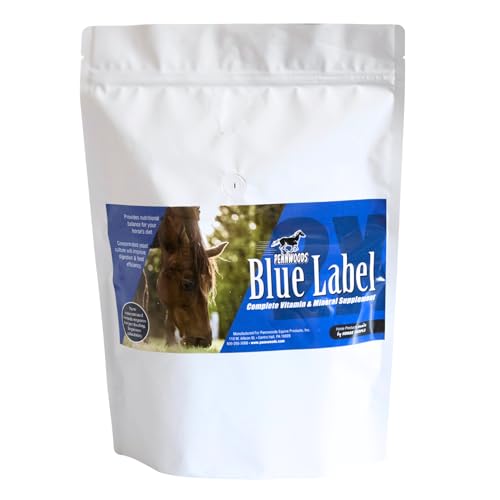
Pennwoods Feed Balancer with Yeast Culture
Concentrated vitamin, mineral, and amino acid daily supplement
How We Chose These Balancers
We did not run a feeding trial. We compared products on what makes a balancer work: nutrient density of vitamins, minerals, and amino acids, calorie and sugar load for metabolic safety, feeding rate and value per day, and patterns in verified owner reviews. We favored balancers that deliver full fortification in a small serving and noted which lean toward topline support or low-NSC metabolic feeding, so you can match the balancer to your horse's needs.
Comparison at a Glance
| Balancer | Best For | Notable | Approx. Price |
|---|---|---|---|
| Formula 707 Daily Essentials | Budget-conscious owners | Concentrated value pellet | $26.43 |
| Triple Crown Balancer | Everyday forage balancing | Low-calorie all-rounder | $69.29 |
| Triple Crown Balancer Gold | Topline and coat support | Higher-spec formula | $78.99 |
| Purina Enrich Plus | Easy keepers on forage | Widely available pellet | $66.99 |
| Tribute Essential K Rebuild | Muscle and topline | Active-horse focus | Check price |
| Pennwoods Feed Balancer | Digestion support | Added yeast culture | $28.14 |
Why a Balancer Beats a Vitamin Scoop on Top of Grain
Forage is the right foundation for a senior horse, but hay and pasture rarely supply complete minerals, vitamin E, and the balanced amino acids needed to hold topline. The common mistake is to add a big scoop of grain to deliver those nutrients, which loads on calories and sugar an easy keeper does not need. A ration balancer solves this elegantly: it concentrates the missing nutrients into a small, low-calorie serving, so a horse on a near-forage-only diet stays fully balanced without gaining weight or risking metabolic trouble.
Balancer or Senior Feed?
The choice comes down to calories and chewing. If your horse holds weight on forage and just needs nutrients, a balancer is the answer. If your horse is a hard keeper that needs significant calories, or has lost the teeth to chew hay and needs a soakable complete feed, a fortified senior feed is the better tool, since it delivers both energy and fortification when fed at its full rate. You generally do not stack a balancer on top of a fully fed senior feed, because the feed already supplies the vitamins and minerals. Our guide to the best senior horse feed covers that side.
Balancers for Metabolic Horses
A low-calorie balancer is often the ideal concentrate for a PPID or insulin-dysregulated horse that holds weight on forage. It supplies the nutrients forage lacks without the calories, and in low-NSC versions without the sugar, that drive laminitis. For a metabolic horse, choose a balancer specifically labeled low starch or low sugar and pair it with tested or soaked low-sugar forage. Our guide to feeding a Cushing's horse puts the whole metabolic diet together.
Ration Balancer Quick Links
- Triple Crown Balancer - low-calorie everyday forage balancer
- Formula 707 Daily Essentials - concentrated value pellet
- Browse ration balancers on Amazon
Feed It at the Right Rate
Balancers only work when fed correctly. Because the serving is small and concentrated, usually one to two pounds a day based on body weight, weigh it rather than guessing by scoop. Feeding less than the label rate short-changes your horse on the very nutrients you bought the balancer for, while the low calorie load means correct dosing rarely causes weight gain. Follow the bag rate, weigh the portion, and adjust within the recommended range based on your horse's size and forage quality.
The Bottom Line
A ration balancer is the cleanest way to round out a forage-first diet for a senior horse that does not need extra calories. It fills the vitamin, mineral, and protein gaps that hay leaves, supports topline, and suits easy keepers and metabolic horses especially well, all in a small daily serving. Choose a low-NSC version for metabolic horses, weigh the portion, and switch to a fortified senior feed instead if your horse needs real calories or cannot chew hay. Your veterinarian can help you pick the right one.
Related Guides
- Best Senior Horse Feed - Calorie-bearing feeds for hard keepers.
- Feeding a Cushing's Horse - Low-NSC diets for metabolic horses.
- How Much to Feed a Senior Horse - Balancing a measured forage diet.
Senior Horse Care Planner
Track your senior horse's vital signs, feed and body condition, farrier and dental schedule, medications, and quality of life, all in one printable planner.
Editor's Pick · Affiliate link
Cosequin ASU for the Older Horse
The joint supplement with the most research behind it in horses, combining glucosamine and chondroitin with avocado and soybean unsaponifiables. Worth starting before an older horse is visibly stiff rather than after.
Frequently Asked Questions
What is a ration balancer for horses?
A ration balancer is a concentrated pellet that supplies vitamins, minerals, and quality protein in a small daily serving, usually one to two pounds, without the calories of a full feed. It is designed to balance a forage-only or forage-heavy diet, filling the nutrient gaps that hay and pasture leave while adding almost no extra energy. That makes it ideal for easy keepers and metabolic horses that hold weight on forage alone.
Does my senior horse need a ration balancer?
A balancer is a great fit for an older horse that holds weight on forage but needs vitamins, minerals, and amino acids that hay alone does not provide. It supports topline and muscle without piling on calories. If your horse needs significant calories or cannot chew hay, a fortified senior feed may suit better, since balancers are not calorie sources. Many easy keepers and metabolic seniors do best on forage plus a balancer.
What is the difference between a ration balancer and a senior feed?
A senior feed is a calorie-bearing concentrate fed in pounds per day to add energy and often replace forage, while a ration balancer is a low-calorie nutrient concentrate fed in a small daily amount on top of forage. Use a senior feed for hard keepers or horses that cannot chew hay, and a balancer for easy keepers that need nutrients without calories. Some horses need one, some the other, rarely both at once.
Are ration balancers safe for metabolic horses?
Many are, and a low-calorie balancer is often the ideal way to feed a PPID or insulin-dysregulated horse that holds weight on forage. It provides the nutrients forage lacks without adding the calories or, in low-NSC products, the sugar that drive laminitis. Choose a balancer specifically labeled low starch or low sugar for a metabolic horse, and confirm the choice with your vet alongside the rest of the diet.
How much ration balancer do I feed?
Most balancers are fed at roughly one to two pounds a day for an average-sized horse, far less than a full feed, with the exact amount on the bag based on body weight. Because the serving is small and concentrated, weigh it rather than guessing by scoop. Feeding less than the recommended amount short-changes the horse on nutrients, while the low calorie load means correct dosing rarely causes weight gain.
Need more help with your senior horse?
Browse our guides by topic to find practical solutions.
Wellness Planner: $39