Thrush Treatment for Horses: A Senior Owner's Guide
How to recognize, treat, and prevent thrush in older horses, including topical options, daily hoof care, environment fixes, and when to call the vet or farrier.
Thrush is one of the most common hoof problems owners encounter, and senior horses are especially prone to it. That distinctive black, foul-smelling discharge around the frog is a sign that bacteria have taken hold in the moist grooves of the hoof. The good news is that mild thrush is usually straightforward to treat and even easier to prevent. The key is understanding that thrush is mainly an environmental problem, and a topical treatment only works alongside a clean, dry environment and diligent daily picking.
Thrush Treatment Essentials
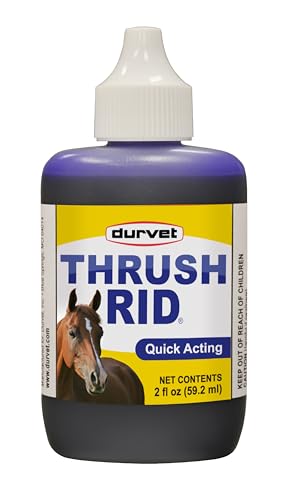
Durvet Thrush Rid Hoof Treatment
Daily topical that dries the frog and fights the bacteria behind thrush.
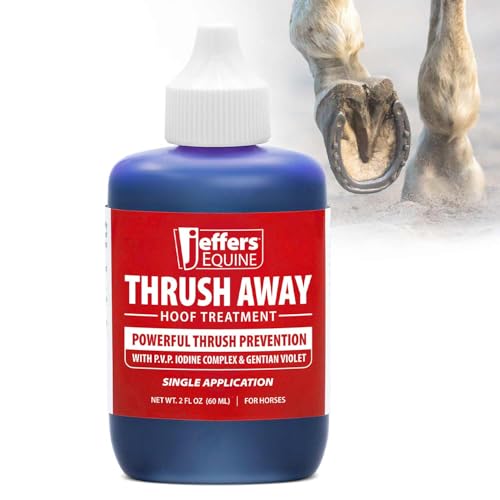
Jeffers Equine Thrush Away Iodine Solution
Iodine-based solution for the frog, white line, and pads of affected hooves.

Tough 1 Great Grip Hoof Pick and Brush
Daily pick and stiff brush to clear the frog clefts where thrush hides.
What thrush is and why seniors get it
Thrush is a bacterial infection, most often involving an organism called Fusobacterium necrophorum, that takes hold in the frog and its surrounding clefts. It thrives where moisture, manure, and a lack of oxygen meet, which is exactly the environment created by wet bedding, muddy paddocks, and deep frog grooves that trap debris. Older horses are at higher risk for several reasons: they often move less, which means the hoof does not flex and self-clean as well, they may stand more in one damp spot, and metabolic conditions like PPID can weaken hoof tissue and immunity.
You will usually notice thrush when picking out the feet. The frog area looks black and moist, smells distinctly rotten, and the deep cleft down the center of the frog may be enlarged and tender. In healthy feet the frog is firm and the clefts are shallow, so any change toward softness, depth, and odor is worth investigating.
How to treat thrush step by step
- Clean the foot thoroughly. Pick out all dirt and manure, then use a stiff brush to clear the frog clefts so the treatment can reach the infected tissue.
- Dry the area. Thrush hates dryness. Wipe the frog and clefts dry before applying anything.
- Apply a thrush treatment. Work the product into the central and side clefts of the frog, following the label. Most use copper sulfate, iodine, or chlorine-based ingredients to kill the bacteria.
- Repeat daily. Treat once a day until the discharge and odor are gone, usually one to two weeks for mild cases.
- Fix the environment. Move the horse to dry footing, because no topical can keep up with a hoof standing in wet manure.
Choosing a thrush product
Commercial equine thrush treatments are formulated to kill the bacteria while being gentler on healthy tissue than harsh homemade mixes. Liquid solutions are easy to apply into deep clefts, while thicker clay or gel products cling longer and suit a frog that needs sustained contact. Avoid the temptation to pour on undiluted bleach or other strong chemicals, which can burn healthy frog and sole and slow healing. When in doubt, ask your farrier which product they trust, or see our comparison of the best thrush treatments for a format-by-format breakdown of liquids, powders, and gels.
| Severity | Signs | Approach |
|---|---|---|
| Mild | Odor, dark frog, no lameness | Daily cleaning, topical, dry footing |
| Moderate | Deep clefts, ragged frog | Topical plus farrier trim of affected frog |
| Severe | Lameness, bleeding, tender to touch | Veterinary exam, may need debridement |
Preventing thrush in the senior horse
Because thrush is fundamentally about environment and hygiene, prevention is largely within your control.
- Pick out feet daily. This single habit prevents most cases by removing the trapped manure and moisture thrush needs.
- Keep footing dry. Clean stalls regularly, bed deeply, and manage mud around gates, water troughs, and feeders where horses stand.
- Encourage movement. Turnout and gentle exercise help the hoof flex and shed debris, and movement boosts circulation in the foot.
- Stay on a farrier cycle. A well-trimmed frog with shallow clefts is far less hospitable to bacteria than an overgrown, ragged one.
- Support hoof quality. A balanced diet and, where needed, a biotin supplement help maintain strong, healthy frog and wall tissue.
Senior Horse Care Planner
Track your senior horse's vital signs, feed and body condition, farrier and dental schedule, medications, and quality of life, all in one printable planner.
When thrush needs a professional
Most thrush clears with diligent home care, but some cases need help. Call your veterinarian if your horse is lame, the infection is deep enough to bleed or destroy frog tissue, or thrush keeps returning despite good management, since stubborn cases can hide a deeper problem. Your farrier is the right person to trim away diseased frog tissue and advise on treatment during regular visits, and a balanced trim helps the frog stay healthy between appointments. Working with both professionals, alongside a clean barn and a daily hoof pick, keeps thrush from ever becoming a serious threat to your senior horse's comfort.
Editor's Pick · Affiliate link
Cosequin ASU for the Older Horse
The joint supplement with the most research behind it in horses, combining glucosamine and chondroitin with avocado and soybean unsaponifiables. Worth starting before an older horse is visibly stiff rather than after.
Frequently Asked Questions
What does thrush in a horse's hoof look like?
Thrush shows up as a black, moist, foul-smelling discharge in and around the frog, especially in the deep grooves on either side and in the central cleft. The frog may look ragged or feel soft, and severe cases can make the horse tender when you clean the area. The smell is distinctive and often the first thing owners notice when picking out the feet.
What is the fastest way to treat thrush?
Clean and dry the foot, then apply a thrush treatment to the frog and clefts daily. Most products use ingredients like copper sulfate, iodine, or chlorine compounds to kill the bacteria. The single most important factor is moving the horse to clean, dry footing, because no topical can win against a hoof that stands in wet manure all day. Mild cases often clear within one to two weeks.
Can thrush make a horse lame?
Mild thrush usually does not cause lameness, but advanced cases can. When the infection eats into the sensitive tissues of the frog, the horse becomes tender and may flinch when the area is cleaned or pressed. Deep, painful, or bleeding thrush needs veterinary attention, and so does any thrush that is not improving with diligent daily care over a couple of weeks.
Why does my senior horse keep getting thrush?
Older horses that move less, stand in damp bedding, or have deep frog clefts trap moisture and manure against the frog, which feeds the bacteria. Poor hoof conformation and infrequent picking make it worse. Horses with PPID may have weaker hoof tissue and reduced immunity. The fix is environmental: daily picking, dry footing, and a consistent farrier cycle to keep the frog healthy.
Are home remedies like bleach safe for thrush?
Harsh homemade mixes such as undiluted bleach can damage healthy frog and sole tissue and actually slow healing. It is safer to use a product formulated for equine thrush, which balances effectiveness with tissue safety. If you want a gentler approach, ask your farrier or vet for a recommendation rather than experimenting with strong chemicals on sensitive hoof structures.
How do I prevent thrush from coming back?
Prevention is all about a clean, dry environment and daily foot care. Pick out every foot at least once a day, keep stalls and high-traffic areas dry, manage mud around gates and feeders, and stick to a regular four to six week farrier schedule so the frog stays well trimmed and self-cleaning. Encouraging movement also helps the hoof shed debris naturally.
Should I call the farrier or the vet for thrush?
For routine thrush, your farrier can trim the affected frog and advise on treatment during a regular visit. Call the vet if the horse is lame, the infection is deep or bleeding, the frog tissue is being destroyed, or thrush keeps returning despite good management. Persistent or painful cases may point to a deeper problem that needs a veterinary exam.
Need more help with your senior horse?
Browse our guides by topic to find practical solutions.
Wellness Planner: $39