Navicular in Senior Horses: Managing Heel Pain
What navicular syndrome is, how to spot it in an older horse, and how farrier work, exercise, and veterinary care keep a senior with caudal heel pain comfortable.
A diagnosis of navicular can feel like a heavy blow, especially for the owner of a senior horse who has already been a steady partner for years. The word carries a reputation for ending careers, but the reality is far more hopeful than it once was. Today, navicular is better understood as a syndrome of chronic heel pain with several possible causes, and many horses are kept comfortable and useful for a long time with thoughtful management. Understanding what is happening inside the foot, and how farrier work and veterinary care fit together, helps you give your older horse the best possible quality of life.
Navicular Support Essentials

Cosequin Cosequin ASU Joint Health Supplement
Glucosamine and chondroitin joint support to help maintain comfort in horses with chronic foot pain.
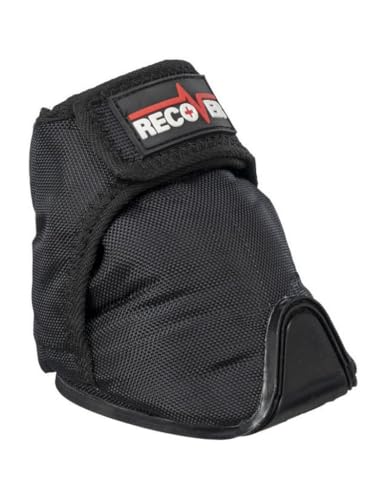
Tough 1 Tough 1 HTB Therapy Boot
Cushioning therapy boot to add heel support and protection for a sore-footed senior on hard ground.

Farnam Farnam Horseshoer's Secret Hoof Oil
Conditioner to keep the hoof capsule healthy while you manage the heel and foot long term.
What navicular syndrome really is
The navicular bone is a small bone tucked behind the coffin bone at the back of the foot. The deep digital flexor tendon runs over it, cushioned by the navicular bursa, and a network of ligaments holds it all in place. Navicular syndrome, sometimes called caudal heel pain, describes chronic pain involving any of these structures. Rather than a single disease, it is an umbrella term for degenerative changes in the back of the foot that produce persistent forelimb lameness. Because so many tissues can be involved, two horses with the same diagnosis can have quite different underlying problems, which is why an accurate veterinary workup matters.
Recognizing the signs in an older horse
Navicular pain usually creeps in gradually, which makes it easy to mistake for general stiffness in an aging horse. Watch for a low-grade lameness in one or both front feet that comes and goes, a shortened choppy stride, occasional stumbling, and a horse that prefers to land toe first to spare the painful heel. Lameness is often worse on hard ground, on circles, and after work. Some horses point or rest a front foot at rest. Because these signs overlap with other foot conditions, do not assume navicular on your own. Your vet uses hoof testers, flexion and nerve blocks, and imaging such as X-rays or MRI to reach a confident diagnosis.
How navicular is managed
There is no cure, so the goal is to slow the progression and keep the horse comfortable. A good management plan usually combines several elements.
| Pillar | What it does |
|---|---|
| Corrective farrier work | Supports the heel, eases breakover, reduces tendon strain |
| Appropriate exercise | Maintains circulation, joint health, and condition |
| Veterinary medication | Controls inflammation and pain, may include joint injections |
| Good footing | Reduces concussion and aggravation of the painful structures |
| Supportive supplements | Joint and soft tissue support as part of the broader plan |
The central role of the farrier
Few conditions depend as heavily on good farrier work as navicular. The aim is to support the heel, bring breakover back so the foot can roll over more easily, and correct any imbalance that adds strain to the deep digital flexor tendon and navicular region. The specific approach, whether a particular trim, shoe, pad, or wedge, depends entirely on the individual foot and is best guided by X-rays. This is why your vet and farrier need to work as a team. Therapeutic boots and pads can also add cushioning and protection, particularly for a barefoot senior on hard ground.
Senior Horse Care Planner
Track your senior horse's vital signs, feed and body condition, farrier and dental schedule, medications, and quality of life, all in one printable planner.
Exercise, footing, and daily comfort
It is tempting to wrap a navicular horse in cotton wool, but for most cases controlled regular exercise on good footing beats total rest. Movement maintains circulation in the foot, keeps joints supple, and preserves the overall condition that a stiff senior needs. The skill lies in choosing work that helps rather than harms: stay off hard, rocky ground and deep, taxing footing, avoid tight circles, and never push a horse through obvious lameness. Soft, even arena footing or good pasture is ideal. Combine sensible exercise with veterinary medication for flare-ups, joint and soft tissue support where your vet agrees, and a comfortable place to rest, and many senior horses with navicular continue to enjoy years of light work or a relaxed, comfortable retirement.
Working with your vet for the long term
Navicular is a progressive condition, so the plan that works today may need adjusting in a year. Keep a close eye on your horse's comfort, note any change in stride or willingness, and stay in regular contact with your vet and farrier. New therapies continue to emerge, and your vet can advise whether options like targeted injections or other treatments suit your horse. With patient, consistent management and a realistic eye on workload, a navicular diagnosis is the start of a new care routine, not the end of the road for your senior partner.
Editor's Pick · Affiliate link
Cosequin ASU for the Older Horse
The joint supplement with the most research behind it in horses, combining glucosamine and chondroitin with avocado and soybean unsaponifiables. Worth starting before an older horse is visibly stiff rather than after.
Frequently Asked Questions
What is navicular disease in horses?
Navicular disease, more accurately called navicular syndrome or caudal heel pain, refers to chronic pain in the back part of the front foot involving the navicular bone and its surrounding structures, including the deep digital flexor tendon, the navicular bursa, and supporting ligaments. It is a degenerative condition that develops over time and most often affects the front feet. It is a leading cause of chronic forelimb lameness, and it tends to worsen gradually without management.
How do I know if my senior horse has navicular?
Typical signs are a gradual, low-grade lameness in one or both front feet that comes and goes, a short choppy stride, stumbling, and a horse that lands toe first to avoid loading the painful heel. Lameness is often worse on hard ground or when circling. Because the signs can mimic other foot problems, diagnosis requires your vet, who uses hoof testers, flexion and nerve blocks, and imaging such as X-rays or MRI to confirm it.
Can navicular syndrome be cured?
Navicular syndrome cannot be cured, but many horses are kept comfortable and usefully sound for years with good management. The goal is to slow progression and control pain rather than reverse the damage. Treatment combines corrective farrier work to support the heel, appropriate exercise on good footing, anti-inflammatory or joint medications from your vet, and sometimes injections or newer therapies. With a committed plan, plenty of senior horses live happy, comfortable lives despite the diagnosis.
What is the best shoeing for a navicular horse?
The aim of farrier work for navicular horses is to support the heel, ease breakover, and reduce strain on the deep digital flexor tendon and navicular structures. Many horses benefit from shoes or trims that bring the breakover back, provide good heel support, and correct any underlying imbalance. The exact prescription depends on the individual foot, so this is a job for your vet and farrier working together, often guided by X-rays of the foot.
Should a horse with navicular be exercised or rested?
Controlled, regular exercise on good footing is generally better than total rest for most navicular horses, because movement maintains circulation, joint health, and overall condition, and a stiff senior does not do well standing still. The key is appropriate work that does not aggravate the pain: avoid hard ground, tight circles, and deep going. Your vet can help you find the right level. Sudden hard work or working through obvious lameness makes the condition worse.
Do joint supplements help horses with navicular?
Joint supplements containing ingredients like glucosamine, chondroitin, and omega fatty acids are commonly used to support overall joint and soft tissue comfort in navicular horses, and many owners and vets include them as part of a broader plan. They are supportive rather than curative and will not replace proper farrier work or veterinary treatment. Discuss any supplement with your vet so it fits the whole program and does not interfere with prescribed medications.
What is the long-term outlook for a senior horse with navicular?
The outlook varies with how advanced the changes are and how consistently the horse is managed, but many seniors do well for years. Horses caught early and supported with good farrier care, sensible exercise, and veterinary treatment often stay comfortable for light to moderate use or a contented retirement. The condition is progressive, so expect to adjust the plan over time, monitor comfort closely, and accept that some horses eventually need a reduced workload.
Need more help with your senior horse?
Browse our guides by topic to find practical solutions.
Wellness Planner: $39