Laminitis Hoof Management in Senior Horses
A practical guide to recognizing, treating, and preventing laminitis in older horses, including metabolic causes, diet, hoof support, and emergency warning signs.
Laminitis is one of the most painful and serious conditions a horse can face, and it becomes far more common with age. For owners of senior horses, understanding laminitis is not optional, because the metabolic diseases that trigger it, PPID and equine metabolic syndrome, are widespread in older horses. The encouraging news is that with early recognition, prompt veterinary care, and consistent management, many horses recover and go on to live comfortable lives. This guide explains what laminitis is, how to spot it fast, and how to manage and prevent it.
Laminitis is always an emergency. If you see the warning signs below, call your veterinarian immediately. Acting within hours rather than days can be the difference between a full recovery and permanent damage.
Laminitis Management Tools
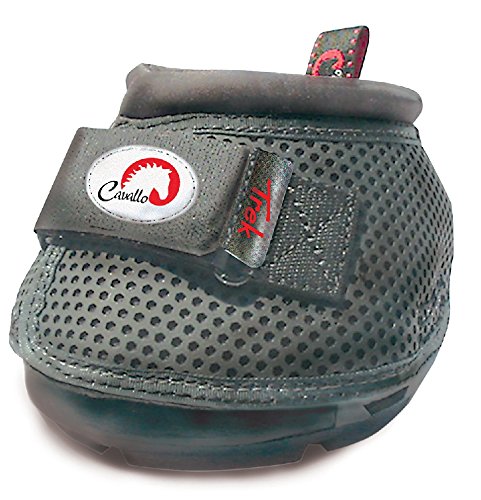
Cavallo Trek Hoof Boot for Therapy and Turnout
Cushioned boot that supports a sore foot and holds pads during laminitis recovery.

British Horse Feeds Speedi-Beet Low-Sugar Beet Pulp
95% sugar-free beet pulp for a safe, soakable fiber feed for laminitic horses.

Majestic Ally Slow Feed Hay Net
Slows intake of soaked hay to extend forage time without spiking sugar load.
What laminitis actually is
Inside the hoof, the coffin bone is suspended from the hoof wall by interlocking layers of tissue called the laminae. In laminitis, these laminae become inflamed and weakened, loosening the bond that holds the bone in place. In severe cases, that bond fails and the coffin bone rotates downward or sinks, a state commonly called founder. Because the laminae carry the horse's entire weight, the inflammation is intensely painful, which is why a laminitic horse is so reluctant to move.
Recognizing the warning signs
Catching laminitis early gives your horse the best chance. Watch for these signs, especially in a horse with a known metabolic condition:
- Bounding digital pulse. A normally faint pulse at the back of the fetlock becomes strong and obvious.
- Heat in the hooves. One or more feet feel warm to the touch.
- Shortened, pottery gait. The horse moves gingerly, as if walking on eggshells, and hates turning.
- The laminitic stance. Weight rocked back onto the heels with front feet stretched forward to unload the toes.
- Shifting weight and lying down. The horse frequently shifts weight between feet or lies down more than usual to relieve pressure.
Why senior horses are at higher risk
The biggest driver of laminitis in older horses is insulin dysregulation, the hormonal disturbance at the heart of both PPID (Cushing's) and EMS. High insulin levels damage the laminae directly. Because PPID becomes increasingly common with age, and many older horses also carry excess weight or cresty fat deposits associated with EMS, the senior population is especially vulnerable. Other triggers include eating too much grain, grazing lush or stressed grass that is high in sugars, severe infections, and overloading one limb to protect an injury on the other side.
Treatment: what your vet will do
Laminitis treatment is led by your veterinarian and typically combines several elements. Pain control and anti-inflammatory medication make the horse comfortable and reduce the inflammation. Strict stall rest on deep, soft bedding limits mechanical damage to the weakened laminae. Mechanical support, often soft pads or therapy boots, cushions the sole and supports the back of the foot. Radiographs may be taken to assess whether the coffin bone has moved. Crucially, your vet will work to identify and treat the underlying cause, because controlling the trigger is what stops the disease.
| Phase | Goal | Typical management |
|---|---|---|
| Acute | Reduce pain and inflammation | Vet medication, stall rest, sole support |
| Recovery | Stabilize the coffin bone | Corrective farriery, limited movement, radiographs |
| Long term | Prevent recurrence | Treat PPID/EMS, low-sugar diet, weight control |
Diet and long-term management
Diet is at the center of laminitis management. A low-sugar, low-starch ration reduces the insulin spikes that damage the laminae. In practice that usually means soaking grass hay to lower its sugar content, removing all grain and sweet feed, and using a ration balancer to supply minerals without extra calories. Lush pasture, especially in spring and fall, is often off limits or restricted with a grazing muzzle or a dry lot. A slow-feed hay net helps an at-risk horse eat soaked hay throughout the day without large sugar loads or long fasting gaps. Make any diet change gradually and under veterinary guidance.
Hoof support and farriery
Corrective farriery is a cornerstone of recovery. Your farrier, often working from your vet's radiographs, will trim and sometimes apply specialized shoes or pads to ease breakover, support the back of the foot, and reduce strain on the damaged laminae. In the acute phase, therapy boots with soft pads can give a sore horse meaningful relief in the stall. This is detailed, individualized work, and the close cooperation of your vet and farrier matters enormously to the outcome.
Senior Horse Care Planner
Track your senior horse's vital signs, feed and body condition, farrier and dental schedule, medications, and quality of life, all in one printable planner.
Preventing the next episode
For a senior who has had laminitis, prevention becomes a lifelong commitment. Have your vet test for and treat PPID and EMS, keep your horse at a healthy body condition, feed a consistent low-sugar diet, limit lush grazing, and maintain a regular farrier cycle. Learn to feel the digital pulse so you can catch a flare early, and monitor for the warning signs during high-risk seasons. Laminitis cannot always be prevented, but careful, attentive management dramatically lowers the risk and helps your older horse stay sound and comfortable. When in doubt, call your veterinarian, because early action saves feet.
Editor's Pick · Affiliate link
Cosequin ASU for the Older Horse
The joint supplement with the most research behind it in horses, combining glucosamine and chondroitin with avocado and soybean unsaponifiables. Worth starting before an older horse is visibly stiff rather than after.
Frequently Asked Questions
What are the first signs of laminitis in a senior horse?
Early signs include a strong, bounding digital pulse at the back of the fetlock, heat in the hooves, a shortened or pottery gait, reluctance to turn, and shifting weight between the front feet. A classic stance is rocking back onto the heels to take weight off the toes. Laminitis is a medical emergency, so call your vet the moment you suspect it rather than waiting to see if it passes.
Is laminitis the same as founder?
They are related. Laminitis is the inflammation and weakening of the laminae that bond the hoof wall to the coffin bone. Founder is the term often used when that bond fails and the coffin bone rotates or sinks within the hoof. Laminitis is the disease process, and founder is its most serious mechanical consequence. Prompt treatment of laminitis is what helps prevent it from progressing to founder.
What causes laminitis in older horses?
In seniors, the leading causes are hormonal and metabolic: PPID (Cushing's disease) and equine metabolic syndrome both drive insulin dysregulation, which damages the laminae. Other triggers include grain overload, grazing lush or stressed grass high in sugars, severe illness or infection, and excessive weight bearing on one limb when the opposite leg is injured. Controlling insulin and sugar intake is central to prevention.
Can a horse recover from laminitis?
Many horses recover and return to comfort, especially when the episode is caught early and the underlying cause is controlled. Recovery depends on how much damage occurred, whether the coffin bone rotated, and how well the metabolic trigger is managed. It often takes months of careful farriery, diet control, and rest. Some horses have recurring episodes, which makes ongoing management essential for the rest of their lives.
What should a laminitic horse eat?
A low-sugar, low-starch diet is the foundation. That usually means soaked grass hay to reduce sugar content, no grain or sweet feed, and a ration balancer to supply minerals without calories. Restrict or eliminate grazing on lush pasture, especially in spring and fall. Your vet may recommend a specific NSC target. Sudden diet changes should be avoided, and any plan should be built with veterinary guidance.
Do hoof boots or pads help with laminitis?
Yes, supportive padding and boots can give significant relief by cushioning the sole and supporting the back of the foot, which takes load off the painful laminae. Many vets recommend soft pads or therapy boots in the acute phase. These are a complement to, not a replacement for, veterinary treatment and corrective farriery. Your vet and farrier will guide the specific support your horse needs.
How do I prevent laminitis in a metabolic senior?
Test for and treat PPID and EMS, keep the horse at a healthy body condition, feed a low-sugar diet, limit access to lush pasture with a grazing muzzle or dry lot, and maintain a regular farrier cycle. Monitor the digital pulse and watch for early warning signs. Working closely with your vet to control insulin is the single most effective preventive measure for an at-risk older horse.
Need more help with your senior horse?
Browse our guides by topic to find practical solutions.
Wellness Planner: $39