Cracked Hooves in Senior Horses: Causes and Care
Why older horses develop cracked, brittle hooves, which cracks are harmless and which need a farrier, and how trimming, nutrition, and conditioners help them heal.
Cracked hooves are one of the most common worries owners of older horses bring to their farrier. A new split running up the wall can look alarming, and it is hard to know whether it is a cosmetic nuisance or a sign of a deeper problem. The reassuring truth is that most cracks in senior horses are manageable, and many are minor. The trick is learning to tell the difference, understanding what drives cracking in an aging foot, and committing to the patient, consistent care that lets a strong new wall grow down to replace the damaged one.
Cracked Hoof Care Essentials

Farnam Farnam Horseshoer's Secret Hoof Oil
Deep-penetrating conditioner that helps prevent the cracks, splits, and brittleness of dry senior hooves.
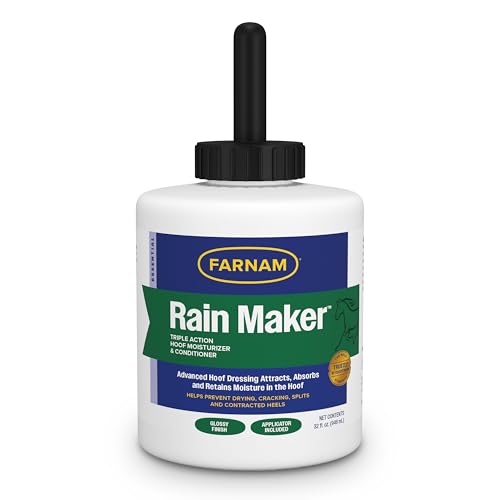
Farnam Farnam Rain Maker Hoof Moisturizer
Triple-action moisturizer and conditioner to balance hoof moisture through wet and dry cycles.
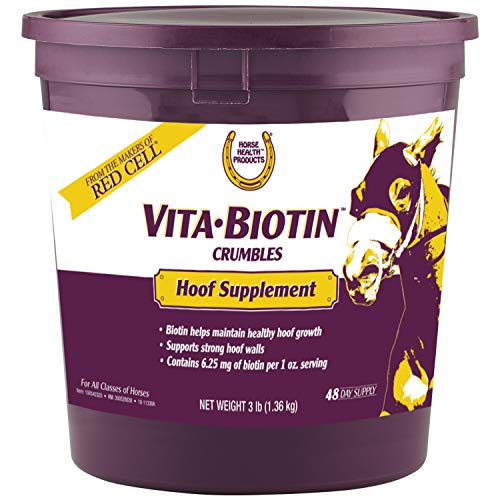
Horse Health Horse Health Vita Biotin Crumbles
Biotin supplement that supports stronger, less crack-prone hoof wall growth from the inside out.
Why aging hooves crack
Several age-related changes make the senior hoof more crack-prone. Hoof growth tends to slow as horses get older, which means damage takes longer to grow out and the wall spends more time exposed to stress. The wall itself often becomes drier and more brittle, especially in horses with metabolic conditions like PPID that affect hoof quality. On top of that, the everyday environment plays a huge role. A hoof that soaks up moisture from dewy grass or muddy paddocks and then dries out in the sun swells and shrinks repeatedly, and that constant movement fatigues the wall until it cracks. Poor hoof balance and stretched trim cycles add leverage that pries existing flaws wider.
Which cracks matter and which do not
Not every crack is cause for alarm, but some genuinely need professional attention. Use this as a rough guide and let your farrier make the final call.
| Crack type | Concern level | What to do |
|---|---|---|
| Shallow vertical surface crack | Low | Conditioner, good trim cycle, monitor |
| Crack from the coronary band down | Moderate to high | Farrier exam, may signal a wall defect |
| Horizontal crack across the wall | Moderate | Often grows out, farrier should assess |
| Deep crack that bleeds or causes lameness | High | Call vet and farrier promptly |
Cracks that are warm, painful, widening, or oozing deserve prompt attention, because a deep crack can let bacteria into sensitive tissue and lead to infection or instability.
How farriers manage cracked hooves
The foundation of crack management is a balanced trim. By correcting hoof balance and relieving the leverage and pressure that pull a crack open, a skilled farrier gives the wall the best chance to grow down soundly. For more significant cracks, your farrier might stabilize the area with clips, special shoeing, or hoof repair material, or float the wall at the bottom of the crack so it does not bear weight directly. None of this happens overnight. Because the wall must regrow from the coronary band, full resolution can take many months, so the real work is consistency over time rather than a single dramatic fix.
Nutrition for stronger hooves
You can only grow a better hoof if the horse has the building blocks to do it. A balanced diet that meets protein, mineral, and vitamin needs is the starting point, often delivered through a ration balancer or a fortified senior feed. Biotin is the best researched hoof supplement and is usually fed at around twenty milligrams per day for an average horse, ideally alongside adequate zinc, copper, methionine, and quality amino acids that work together in hoof formation. Because you are waiting for new growth, expect to give any nutritional change six to twelve months before you judge the results. Always run supplement plans past your vet, particularly for metabolic horses where sugar and starch must stay low.
Senior Horse Care Planner
Track your senior horse's vital signs, feed and body condition, farrier and dental schedule, medications, and quality of life, all in one printable planner.
Daily habits that prevent cracks
The everyday routine you build around your senior's feet matters as much as any product. Pick out the hooves daily so you spot new cracks and changes early. Keep the horse on a steady four to six week farrier cycle rather than letting the wall get long and start to chip. Manage the environment to reduce extreme wet then dry swings, providing a dry place to stand during soggy weather and avoiding constantly muddy gateways. Use a quality hoof conditioner on clean, dry feet to help moderate moisture and keep the wall flexible rather than brittle. Combine those habits with good nutrition and a watchful eye, and most cracked hooves in senior horses become a slow, steady success story rather than an ongoing crisis.
Editor's Pick · Affiliate link
Cosequin ASU for the Older Horse
The joint supplement with the most research behind it in horses, combining glucosamine and chondroitin with avocado and soybean unsaponifiables. Worth starting before an older horse is visibly stiff rather than after.
Frequently Asked Questions
Why do senior horses get cracked hooves?
Older horses often have slower hoof growth and drier, more brittle wall tissue, so small flaws turn into cracks more easily. Repeated wet then dry weather cycles swell and shrink the hoof, weakening it. Poor hoof balance, infrequent trimming, nutritional gaps, and metabolic conditions like PPID all reduce hoof quality. Many cracks in seniors are surface deep and cosmetic, but some reach into deeper structures and need a farrier's attention.
Are cracked hooves dangerous for my horse?
It depends on the type and depth. Shallow surface cracks running vertically are usually harmless and grow out with good care. Deeper cracks that reach sensitive tissue, cracks that bleed, ones that cause lameness, or horizontal cracks crossing the wall can be serious and may let in bacteria. Any crack that is widening, painful, warm, or oozing needs a farrier or vet, because it can lead to infection or instability of the hoof wall.
How do you fix a cracked horse hoof?
Minor cracks are managed by your farrier through balanced trimming, sometimes stabilizing the crack and addressing what caused it. The wall then needs to grow down healthy from the coronary band, which takes months. Keeping the hoof at a consistent moisture level with a quality conditioner, maintaining a regular trim cycle, and supporting growth with good nutrition all help. Deeper cracks may need special shoeing, clips, or hoof repair material applied by a professional.
Does hoof conditioner actually help cracked hooves?
Conditioners help most when the problem is a hoof that swings between too wet and too dry, because they help moderate moisture balance and keep the wall flexible rather than brittle. They do not glue a crack shut or replace good trimming and nutrition, but as part of a complete routine they reduce the cracking and chipping that come from a dried-out, inflexible wall. Apply to clean, dry hooves on a regular schedule for best results.
How long does it take a cracked hoof to grow out?
Hoof wall grows roughly a quarter to three eighths of an inch per month, and growth tends to slow with age, so a crack starting near the coronary band can take most of a year to fully grow out and disappear. Cracks lower on the wall resolve faster. The key is consistent farrier care and good nutrition over that whole period so the new wall coming down is stronger than the wall it replaces.
What should I feed a senior horse with poor hoof quality?
Start with a balanced diet that meets the horse's protein, mineral, and vitamin needs, often through a ration balancer or fortified senior feed. Biotin is the best studied hoof supplement, typically fed at around twenty milligrams per day for an average horse, alongside adequate zinc, copper, methionine, and amino acids. Improvements take six to twelve months because you are waiting for new wall to grow. Always check with your vet before adding supplements, especially for metabolic seniors.
Can wet or dry conditions cause hoof cracks?
Yes, and it is one of the most common contributors. A hoof that soaks in mud or dew then bakes dry repeatedly swells and shrinks, which stresses the wall and encourages cracking and chipping. Very dry climates can leave hooves brittle, while constant wet softens and weakens them. Managing footing, providing a dry place to stand, and using a conditioner to moderate moisture swings all help keep the wall stable and resistant to cracking.
Need more help with your senior horse?
Browse our guides by topic to find practical solutions.
Wellness Planner: $39