Abscess Care in Senior Horses: A Practical Guide
How to recognize, soak, poultice, and heal a hoof abscess in an older horse, why seniors are prone to them, and exactly when to call your vet or farrier.
Few things frighten an owner more than walking out to the barn and finding a beloved senior horse suddenly, dramatically lame, barely able to put a foot down. The good news is that one of the most common causes of this kind of acute lameness is also one of the most treatable: a hoof abscess. An abscess is a pocket of infection trapped inside the rigid hoof capsule, and the pain comes from pressure rather than permanent damage. Once it drains, most horses are comfortable again within days. Understanding how to manage one calmly and correctly makes all the difference for an older horse.
Hoof Abscess Care Kit
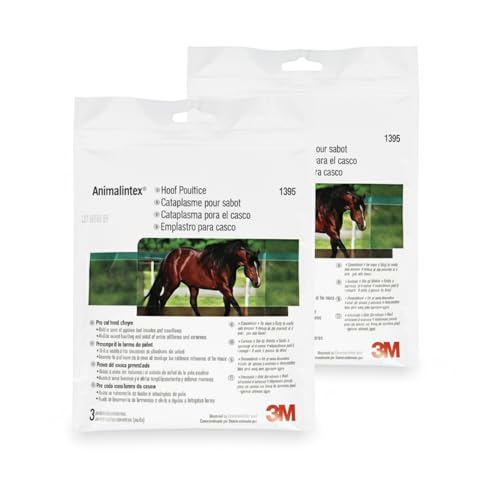
3M 3M Animalintex Hoof Poultice Pads
Ready-cut poultice pads that draw an abscess toward the surface and protect the drainage site.
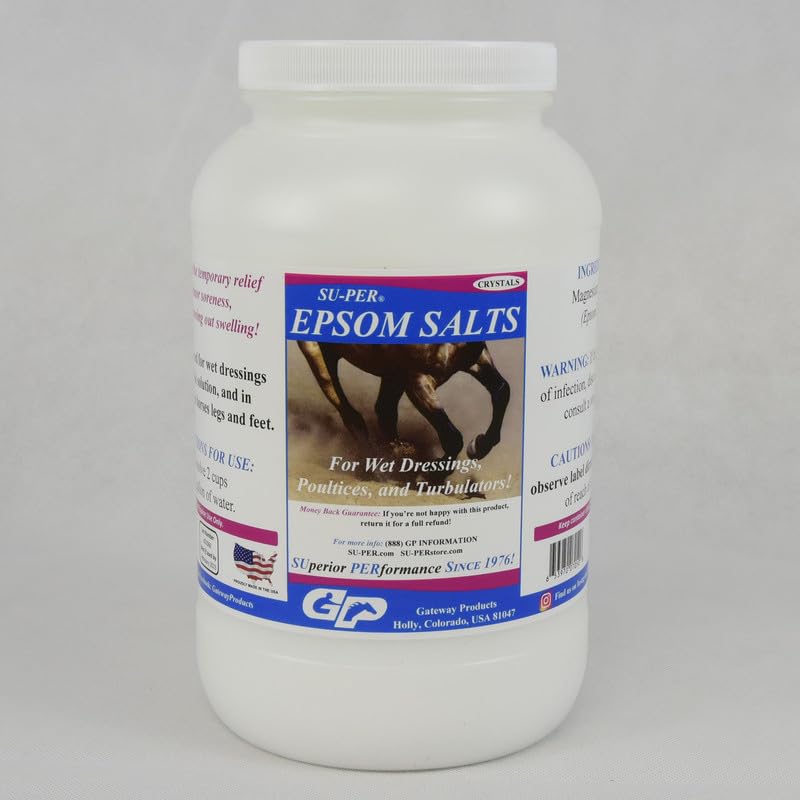
SU-PER SU-PER Epsom Salts for Horses
Magnesium sulfate for warm foot soaks that help soften the hoof and pull the abscess out.
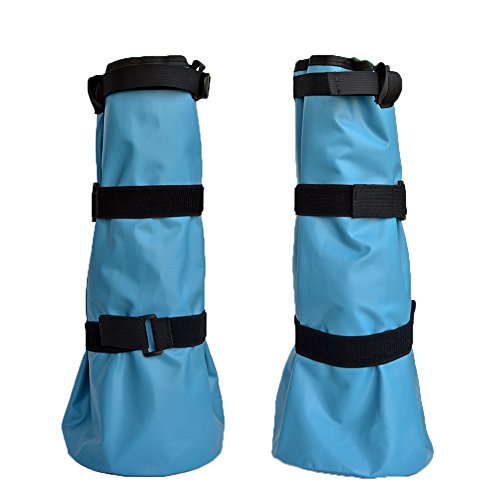
yeezo Hoof Soaking Boot for Horses
Reusable waterproof boot that holds an Epsom soak and keeps the bandaged foot clean and dry.
What a hoof abscess is and why it hurts so much
A hoof abscess forms when bacteria enter the foot, usually through a small crack, a separated white line, a bruise, or a puncture, and multiply in the sensitive tissues beneath the hard outer wall. Because the hoof cannot expand, the pus has nowhere to go, and the building pressure presses on nerves and sensitive structures. That is why a horse with a simple abscess can look as lame as one with a fracture. The body's natural response is to push the infection toward the path of least resistance, which is often the soft heel bulbs or the coronary band where it can finally break open and drain.
You will usually notice a strong digital pulse at the back of the pastern, heat in the hoof wall, and a horse that does not want to bear weight. Some seniors will stand pointing the sore toe or shift constantly. Many owners first suspect a far worse injury, so it is reassuring to know that abscesses, while painful, typically resolve completely.
Why senior horses are prone to abscesses
Older horses face several factors that make abscesses more common. Years of wear can leave the hoof wall brittle and prone to cracks and white line separation, which give bacteria an easy entry point. Horses with a history of laminitis often have a compromised white line. Metabolic conditions such as PPID (Cushing's) can weaken hoof quality and blunt the immune response, while reduced movement means the hoof flexes and self-cleans less effectively. Wet then dry weather cycles soften and then crack the hoof, and muddy or rocky footing adds bruising and puncture risk. Managing these underlying issues is the best long-term defense.
How to treat a hoof abscess step by step
- Confirm the foot. Check for heat, a bounding digital pulse, and reluctance to bear weight. A farrier or vet can use hoof testers to pinpoint the sore spot.
- Soak the foot. Stand the hoof in warm water with Epsom salts for fifteen to twenty minutes, once or twice a day. The warmth and magnesium help soften the hoof and draw the abscess toward the surface. A soaking boot makes this far easier than a bucket.
- Apply a poultice. After soaking, dry the foot and apply a poultice pad over the most likely drainage site, then wrap with a bandage and a protective boot to keep everything clean and to maintain moisture.
- Change the dressing daily. Inspect for drainage, which looks like dark or grey discharge and often comes with sudden relief from pain.
- Keep the foot clean as it finishes. Once drainage stops and the horse is comfortable, transition to a clean, dry environment and let the tract close on its own.
Never go digging deep into the sole with a knife yourself. Opening an abscess tract is a job for your farrier or vet, who can do it without damaging healthy tissue or driving the infection deeper.
When to call the vet or farrier
| Situation | Action |
|---|---|
| Sudden severe lameness, foot warm | Start soaking, call farrier or vet to confirm |
| No drainage after three to four days | Have a professional locate and open the tract |
| Swelling traveling up the leg or fever | Call the vet urgently, may be cellulitis |
| Repeated abscesses in the same horse | Investigate diet, metabolic status, and hoof balance |
Preventing the next abscess
Because abscesses thrive on poor hoof quality and bad footing, prevention overlaps with good general senior hoof care. Keep your horse on a regular four to six week farrier cycle so cracks and white line separation are caught early. Pick out the feet daily to remove trapped debris and spot problems before they take hold. Manage mud around gates, troughs, and feeders, and provide a dry place to stand during wet spells. Support hoof quality from the inside with balanced nutrition and, where your vet agrees, a biotin supplement. For metabolic seniors, controlling PPID and keeping non-structural carbohydrates low protects the whole foot.
Senior Horse Care Planner
Track your senior horse's vital signs, feed and body condition, farrier and dental schedule, medications, and quality of life, all in one printable planner.
Helping a senior recover comfortably
Older horses can be slower to bounce back, and the days of severe lameness before an abscess drains are hard on arthritic joints and on a horse that may not want to lie down or get up. Provide deep, dry bedding, keep food and water within easy reach, and offer gentle controlled movement once the foot is protected, since standing completely still is not ideal for a senior. Most horses are dramatically more comfortable the moment the pressure releases, and within a couple of weeks the whole episode is behind them. Work closely with your farrier and vet, treat the foot patiently, and your senior will be back on sound footing before long.
Editor's Pick · Affiliate link
Cosequin ASU for the Older Horse
The joint supplement with the most research behind it in horses, combining glucosamine and chondroitin with avocado and soybean unsaponifiables. Worth starting before an older horse is visibly stiff rather than after.
Frequently Asked Questions
What are the first signs of a hoof abscess in an older horse?
The classic sign is sudden, severe lameness that often appears overnight, sometimes so dramatic that owners fear a fracture. The foot usually feels warm, you may feel a stronger than normal digital pulse at the back of the pastern, and the horse is reluctant to bear weight. Many seniors will rest the toe or refuse to move. The pain comes from pressure building inside the rigid hoof capsule.
How long does a hoof abscess take to heal in a senior horse?
Most abscesses drain and the horse becomes noticeably more comfortable within a few days once the pressure is released. Full healing of the tract usually takes one to three weeks. Older horses with PPID, poor circulation, or weaker hoof tissue can be slower, so do not rush them back to work. If lameness has not improved within five to seven days of soaking and poulticing, call your vet or farrier.
Should I soak a hoof abscess or call the vet first?
Soaking in warm water with Epsom salts is a safe first step that helps draw the abscess toward the surface, and many owners start this while waiting for professional help. Call your vet or farrier if you are unsure of the diagnosis, if the horse is extremely lame, if there is swelling up the leg, or if the abscess has not opened within a few days. Severe or recurring cases need a professional to locate and open the tract.
Why do senior horses seem to get more hoof abscesses?
Older horses often have weaker, more brittle hoof walls, a history of laminitis, or metabolic conditions like PPID that affect hoof quality and immune response. Wet then dry weather cycles, poor footing, and white line separation give bacteria an easy entry point. Reduced movement also means less healthy hoof flexion. Good farrier care, dry footing, and metabolic management all lower the frequency of abscesses in seniors.
Can I turn my horse out with a hoof abscess?
Gentle movement in a small, dry, safe area can actually encourage an abscess to drain and keeps the rest of the body moving, which matters for arthritic seniors. Avoid hard work, deep mud, and rocky ground. Once the foot is bandaged and protected, controlled turnout or hand walking is usually fine. Follow your vet or farrier's specific advice, especially if the abscess has been opened and needs to stay clean.
How do I keep the abscess clean while it heals?
After soaking, dry the foot, apply a poultice over the drainage site, and wrap with a clean bandage and protective boot to keep dirt and bacteria out. Change the dressing daily, checking that the tract is still draining and the surrounding tissue looks healthy. A waterproof soaking boot makes daily care far easier. Stop bandaging once drainage has finished and your professional agrees the foot can be left open.
When is a hoof abscess actually an emergency?
Call your vet urgently if the leg swells significantly, the horse runs a fever, the foot feels hot with severe unrelenting pain, or the lameness suddenly worsens after seeming to improve. These can signal a deeper infection, cellulitis, or a more serious problem than a simple abscess. In a senior horse, prolonged severe pain and lying down also risk other complications, so do not wait it out indefinitely.
Need more help with your senior horse?
Browse our guides by topic to find practical solutions.
Wellness Planner: $39