Why Is My Old Gelding's Sheath Swollen?
A swollen sheath in an older gelding is often edema, a dirty sheath or bean, flies, or infection. Learn the causes, the red flags, cleaning frequency, and when to call the vet.
A swollen sheath in an older gelding most often comes from fluid accumulation (edema) due to inactivity, a dirty sheath with a large bean, insect bites, or low-grade infection. In horses that stand around, fluid pools in the sheath and lower belly and usually clears with movement. Less commonly the swelling reflects something more serious such as a tumor, severe infection, or a body-wide problem. Persistent, painful, or worsening swelling should be examined by your vet.
It can be alarming to notice that an older gelding has become puffy or enlarged in the sheath area. The good news is that most cases are benign and tied to how much the horse is moving and how clean the sheath is. Still, a few causes are important not to miss, so this guide explains what is normal, what is not, and how to keep your senior gelding comfortable.
Gentle Sheath Cleaning Products

Farnam Excalibur Sheath Cleaner
Gel cleaner that softens and removes smegma during sheath cleaning
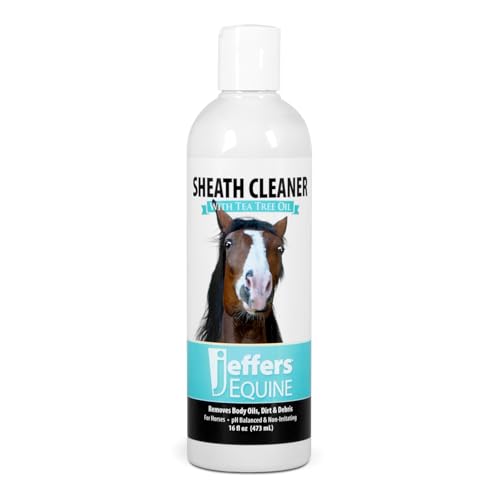
Jeffers pH-Balanced Sheath Cleaner
Gentle, pH-balanced formula for sensitive sheath cleaning

A clean sheath and bean check are central to preventing irritation and swelling, but cleaning is best done occasionally and gently, ideally by your vet with light sedation. Over-cleaning can irritate the skin, so more is not better.
The Common Causes of a Swollen Sheath
Edema From Inactivity
This is the most frequent cause in older geldings. Horses that stand still for long stretches, in a stall, on stall rest, or simply because they are sedentary seniors, accumulate fluid in the lowest parts of the body, including the sheath and lower belly. The swelling is soft, painless, and tends to clear with movement. Regular turnout and gentle exercise usually keep it at bay.
A Dirty Sheath and Bean
Smegma, the natural waxy secretion of the sheath, can build up and harden into a bean in a pocket near the tip of the penis. A large bean irritates the area, can make urination uncomfortable, and may contribute to swelling and low-grade infection. A periodic sheath cleaning and bean check, usually with light sedation, prevents this. Remember that most geldings need cleaning only once or twice a year.
Flies, Bites, and Summer Sores
Flies are drawn to the sheath and cause irritation, bites, and swelling, and in some regions they spread the larvae behind summer sores (habronemiasis), which form itchy, slow-healing lesions. Good fly control and clean conditions help, and any non-healing sore should be seen by the vet.
Infection
Bacterial infection of the sheath or skin can cause swelling that is warm, tender, and sometimes accompanied by discharge or odor. Infections need veterinary treatment, so do not try to manage a hot, painful, discharging sheath at home.
Tumors and Systemic Disease
Older geldings, especially greys, can develop melanomas around the sheath and tail, and other growths such as squamous cell carcinoma occur on the penis and sheath. A firm lump, ulcerated area, or growth is different from soft fluid swelling and needs evaluation. Body-wide problems like low blood protein, liver disease, or heart trouble can also cause ventral swelling that includes the sheath, which is why context and a vet exam matter. See our guide to melanoma in grey horses.
Red Flags: When to Call the Vet
| Sign | Why It Matters |
|---|---|
| Cannot urinate or strains | True emergency, call the vet now |
| Hot, painful, discharging sheath | Possible infection needing treatment |
| Firm lump or non-healing sore | Possible tumor or summer sore |
| Swelling spreading up the belly | Possible systemic disease |
| Dullness, fever, off feed | Suggests a more serious problem |
Senior Horse Care Planner
Track your senior horse's vital signs, feed and body condition, farrier and dental schedule, medications, and quality of life, all in one printable planner.
Simple Home Care for Mild Swelling
For mild, soft swelling with no pain, discharge, or trouble urinating, the simplest and most effective remedy is movement. Hand-walking, turnout, and light exercise help the body clear the pooled fluid, and the swelling often settles within a day. Keep up good fly control and keep the area clean. Resist the urge to apply random creams or to scrub the sheath aggressively, since both can irritate sensitive skin.
If the swelling persists, keeps returning, or comes with any of the red flags above, set the home measures aside and call your vet. A quick exam can distinguish benign edema from a bean, infection, or a growth that needs attention, and your vet can perform a thorough, safe sheath cleaning at the same time. With routine movement, sensible cleaning, and prompt attention to anything unusual, most senior geldings stay comfortable and healthy.
Editor's Pick · Affiliate link
Cosequin ASU for the Older Horse
The joint supplement with the most research behind it in horses, combining glucosamine and chondroitin with avocado and soybean unsaponifiables. Worth starting before an older horse is visibly stiff rather than after.
Frequently Asked Questions
Why is my old gelding's sheath swollen?
A swollen sheath in an older gelding most often comes from fluid accumulation (edema) due to inactivity, a dirty sheath with a large bean, insect bites, or low-grade infection. In horses that stand around, lymph and fluid pool in the sheath and lower belly. Less commonly, swelling reflects a more serious issue such as a tumor, severe infection, or a body-wide problem like heart or low-protein disease. Persistent, painful, or worsening swelling should be examined by your vet.
Is a swollen sheath an emergency?
Usually not, but it can be. Mild swelling that comes and goes with activity, and resolves with movement, is often benign edema. Treat it as urgent if the sheath is very swollen, hot, painful, or has discharge, if the horse cannot urinate or strains to urinate, or if swelling spreads up the belly with dullness or fever. Inability to pass urine is a true emergency. When in doubt, call your vet, since some causes need prompt treatment.
What is a bean and can it cause swelling?
A bean is a hardened lump of smegma (waxy secretions and dead skin) that collects in a pocket near the tip of the penis called the urethral fossa. A large bean can irritate the area, make urination uncomfortable, and contribute to swelling and infection. Beans are common in geldings that are not cleaned periodically. Your vet or an experienced professional can check for and remove a bean safely during a sheath cleaning, often with the horse lightly sedated.
How often should a gelding's sheath be cleaned?
Most geldings only need their sheath cleaned once or twice a year, and over-cleaning can disrupt the natural balance and irritate the skin, so more is not better. Some horses produce more smegma and need it more often, while others need very little. A check for a bean is the most important part. Many owners have their vet do it during routine visits or dental floating, often with light sedation so it is safe and thorough.
Can flies and summer sores cause sheath swelling?
Yes. Flies are drawn to the sheath and can cause irritation, bites, and swelling, and in some regions they transmit the larvae that cause summer sores (habronemiasis), which create itchy, slow-healing lesions around the sheath. Good fly control, keeping the area clean, and prompt veterinary attention to any non-healing sores all help. If you see persistent raised, bleeding, or non-healing lesions on or near the sheath, have your vet evaluate them.
Could the swelling be a tumor?
It is possible, especially in older horses. Geldings, particularly greys, can develop melanomas around the sheath and tail, and other growths or squamous cell carcinoma can occur on the penis and sheath. A tumor may feel like a firm lump rather than soft fluid swelling. Because some of these masses need monitoring or treatment and a few are aggressive, any firm lump, ulcerated area, or growth on the sheath or penis should be examined and, if needed, biopsied by your vet.
How can I reduce mild sheath swelling at home?
For mild edema with no pain, discharge, or urination trouble, the simplest remedy is movement: hand-walking, turnout, and light exercise help the body clear pooled fluid, and the swelling often goes down within a day. Good fly control and keeping the area clean also help. Do not apply random creams or attempt aggressive cleaning. If the swelling persists, recurs, or is accompanied by any worrying sign, stop home measures and call your vet for an exam.
Need more help with your senior horse?
Browse our guides by topic to find practical solutions.
Wellness Planner: $39