Senior Horse Care Starter Kit: The Essentials
A complete starter kit for caring for a senior horse: easy-chew feed, joint support, fly and weather protection, grooming, first aid, and what every owner needs.
Caring for a horse as it moves into its senior years means adjusting the routine you have always used. Older horses tend to be harder keepers, more prone to dental and metabolic problems, stiffer in the joints, and less able to cope with heat and cold. The right basics, assembled before you need them, make day-to-day senior care far easier and help you catch trouble early. This starter kit pulls together the essentials every senior horse owner should have on hand, organized around nutrition, comfort, grooming, and first aid.
Think of this as a foundation to build on with your veterinarian and farrier, who know your individual horse. Start with a baseline vet and dental exam, then layer in the items below as your horse's needs become clear.
Senior Horse Care Starter Kit

Purina Active Senior Complete Feed
Easy-to-chew complete feed that forms the nutritional base of senior care.

Cosequin Cosequin ASU Joint Supplement
Glucosamine and chondroitin support for stiff, arthritic older joints.

Harrison Howard UV-Protection Fly Mask
Shields aging eyes from flies and sun through the warm months.

Weaver Equine 7-Piece Grooming Kit
A complete brush set for daily grooming and hands-on condition checks.
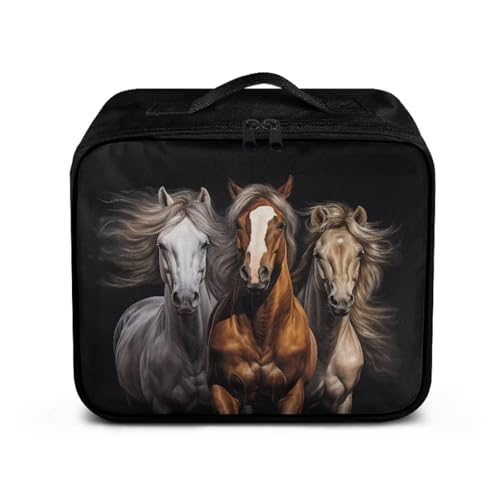
Rnyleeg Horse First Aid Kit Bag
A portable, organized base for stabling everyday equine first-aid supplies.

Intrepid Trace Mineral Salt Brick
Free-choice salt to drive thirst and support year-round hydration.
Nutrition comes first
Everything in senior care rests on good nutrition, and good nutrition starts with forage. Fiber is the foundation of the equine diet, but worn teeth often make long hay hard to chew by the senior years. A complete senior feed, formulated to be easy to chew and digest, fills the gap and can even replace hay entirely when a horse can no longer manage forage. Soaking it into a soft mash adds water and makes it gentle on an aging mouth. Pair feed with free-choice salt to support hydration and body-condition scoring by hand to keep track of weight under the coat.
Comfort and mobility
Arthritis is one of the most common challenges of old age. Many seniors stiffen up, especially in cold or damp weather, and benefit from joint support. A glucosamine and chondroitin supplement is a sensible starting point, best chosen with veterinary input, alongside daily turnout to keep joints lubricated, good footing to prevent slips, and regular farrier care to keep the feet balanced. Watch for stiffness on first moving off, reluctance to turn, and slowing down, and bring real lameness to your vet rather than relying on supplements alone.
Skin, eyes, and weather protection
Senior horses need more help coping with the elements and the seasons:
- Fly mask. Protects aging eyes, which are more prone to problems, from flies and sun in summer.
- Turnout blanket. Keeps thin, clipped, or Cushing's horses warm in cold, wet weather.
- Grooming kit. Daily brushing keeps skin healthy and doubles as a hands-on condition check.
Grooming is more than cosmetic for an old horse. Running your hands and brushes over the body every day is how you find new lumps, sore spots, rubs, and weight changes before they become serious.
First aid and monitoring
Older horses can go downhill faster than young ones, so being ready to respond matters. A basic first-aid kit lets you stabilize a problem while you reach your vet.
| Item | Purpose |
|---|---|
| Digital thermometer | Check temperature against the horse's normal |
| Antiseptic solution | Clean wounds before dressing |
| Wound powder or spray | Treat minor cuts and scrapes |
| Bandage wrap | Secure dressings and support legs |
| Reference guide | Know when to treat and when to call the vet |
Learn your horse's normal temperature, pulse, and gut sounds so you can tell when something is off. First aid stabilizes, it does not replace the vet, so call early when an older horse seems unwell.
Senior Horse Care Planner
Track your senior horse's vital signs, feed and body condition, farrier and dental schedule, medications, and quality of life, all in one printable planner.
Building from the basics
A good starter kit turns senior care from a scramble into a routine. With easy-chew feed and salt for nutrition, joint support and weather protection for comfort, a grooming kit for daily checks, and first-aid supplies for emergencies, you are equipped for everyday life with an older horse. Layer these essentials onto a foundation of regular veterinary and farrier care, watch your horse closely, and adjust as its needs change. The goal is simple: a comfortable, well-fed, closely monitored senior enjoying its later years.
Editor's Pick · Affiliate link
Cosequin ASU for the Older Horse
The joint supplement with the most research behind it in horses, combining glucosamine and chondroitin with avocado and soybean unsaponifiables. Worth starting before an older horse is visibly stiff rather than after.
Frequently Asked Questions
What does a senior horse need that a younger horse doesn't?
Senior horses often need easy-to-chew feed to work around worn teeth, joint support for arthritis, more careful temperature management, and closer monitoring for conditions like Cushing's and weight loss. They tend to be harder keepers, more prone to dental and metabolic disease, and less able to regulate heat and cold. A starter kit for an older horse focuses on nutrition, comfort, hoof and skin care, and the tools to catch problems early.
Where should I start with a newly senior horse?
Begin with a veterinary and dental exam to establish a baseline, then build a routine around forage, condition monitoring, and comfort. Score the body condition by hand, sort out any dental issues, and set up a feeding plan that may include a senior feed. From there, add joint support if the horse is stiff, fly and weather protection, and basic first-aid supplies. The kit here covers those core areas so you are ready for everyday senior care.
Do all senior horses need a joint supplement?
Not all, but many older horses develop arthritis and benefit from joint support. Signs include stiffness on first moving off, reluctance to turn or back, and slowing down. A glucosamine and chondroitin supplement is a common starting point, ideally chosen with your vet's input. Movement, good footing, weight management, and farrier care matter just as much. For a horse showing real lameness, your vet may recommend additional treatment beyond a supplement.
How important is dental care for an older horse?
It is one of the most important parts of senior care. Worn, loose, or missing teeth make chewing hay difficult and lead directly to weight loss, choke, and poor digestion. Most seniors need a dental exam at least once a year, and many benefit from twice-yearly checks. When teeth can no longer handle long hay, soaked hay replacers and complete senior feeds keep fiber intake up without demanding a strong grind.
What basic first-aid items should every horse owner keep?
A core equine first-aid kit includes a digital thermometer, antiseptic solution, wound powder or spray, self-adhesive bandage wrap, clean gauze, and a good reference guide. Knowing your horse's normal temperature, pulse, and gut sounds lets you recognize trouble early. First aid stabilizes a problem until the vet arrives, it does not replace veterinary care, so keep your vet's number handy and call early when something seems wrong with an older horse.
How do I keep weight on a senior horse?
Start with forage, since fiber is the foundation of equine nutrition and the most important calorie source. For a hard keeper, add a complete senior feed designed for older horses, soak feeds to ease chewing and add water, and address the underlying causes of weight loss such as dental disease, parasites, or Cushing's. Body-condition score by hand regularly, since a winter coat hides a shrinking frame. Persistent weight loss warrants a veterinary workup.
How often should a senior horse see the vet?
Most older horses benefit from at least one thorough veterinary exam a year, and many from twice-yearly visits, especially those with Cushing's, arthritis, or dental disease. Regular check-ups catch problems early, when they are easier and cheaper to manage. Between visits, your daily observation is the best monitoring tool, so learn what is normal for your horse and call promptly when condition, appetite, or comfort changes.
Need more help with your senior horse?
Browse our guides by topic to find practical solutions.
Wellness Planner: $39