Best Products for Hard Keeper Horses
Help a hard-keeping senior horse gain and hold weight: easy-chew complete feeds, soakable hay cubes, fat supplements, and a safe forage-first plan to add calories.
Some horses stay round on little more than air, and others struggle to hold weight no matter how much they are fed. These hard keepers are a common worry, and senior horses often join their ranks as worn teeth, less efficient digestion, and age-related conditions take a toll. Putting and keeping weight on a hard keeper is very doable, but it takes the right approach: maximizing forage, adding safe calorie-dense feeds, and crucially, finding and fixing the reason for the weight loss. This guide covers the products and the plan that help a thin senior thrive.
Before changing the feed, remember that weight loss in an older horse usually has an underlying cause. A veterinary workup, including a dental exam and often bloodwork, should go hand in hand with any feeding changes, because treating the cause matters as much as adding calories.
Products for Hard Keeper Horses

Purina Active Senior Complete Feed
Calorie-dense, easy-to-chew complete feed for a hard-keeping senior.

Manna Pro Weight Accelerator Supplement
High-fat, high-calorie topper to help a thin horse gain condition.

Manna Pro Cool Calories Fat Supplement
A concentrated dry fat supplement that adds calories without sugar or starch.
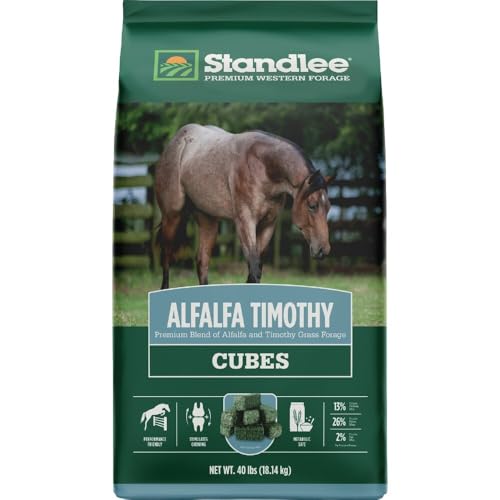
Standlee Alfalfa Timothy Hay Cubes
Soakable cubes that deliver chewable forage calories for worn teeth.

Farnam Weight Builder Supplement
A fat-based weight support topdressing to maintain condition over time.
Start by finding the cause
Adding feed to a horse that is losing weight for a hidden reason only treats the symptom. Common causes in seniors include worn or painful teeth that prevent chewing, internal parasites, Cushing's and other metabolic disease, chronic pain, poor or insufficient forage, and the naturally less efficient digestion of old age. Because the cause guides the fix, start with a vet exam and a dental check. Often a thin senior turns the corner once a dental problem is corrected or a condition like Cushing's is treated, with feed changes amplifying the result.
Forage first, always
The safest and most important way to add calories is to maximize forage. Good-quality hay, fed generously, is the foundation. The challenge for many seniors is worn teeth that can no longer chew long hay efficiently, which is exactly where soakable hay replacers shine:
- Hay cubes. Soaked into a mash, they deliver chewable forage calories for a worn mouth.
- Beet pulp. A highly digestible, low-sugar fiber that adds calories and water.
- Complete senior feed. Formulated to replace forage entirely when teeth fail, easy to chew and digest.
Soaking these into a soft mash, fed several times a day, lets a horse that was steadily losing weight on hay alone take in plenty of fiber calories while staying hydrated and avoiding choke.
Adding calories safely
When forage alone is not enough, the safest extra calories come from fat rather than large grain meals. Fat is concentrated, slow-release energy that avoids the sugar and starch load that can trigger colic and laminitis, a real concern for metabolic seniors. High-fat supplements and topdressings put condition on a thin horse safely when introduced gradually.
| Calorie source | Best for | Note |
|---|---|---|
| Maximized forage | Every hard keeper | Safest base; use replacers for worn teeth |
| Complete senior feed | Seniors that can't chew hay | Can replace forage entirely |
| Fat supplement | Adding calories without sugar | Introduce gradually |
| Large grain meals | Generally avoid | Higher colic and laminitis risk |
Whatever you add, build it up slowly over a week or two to let the digestive system adjust.
Track the results
Judge progress with the Henneke body-condition scoring system, feeling by hand over the ribs, back, shoulders, and tailhead rather than trusting the eye, since the coat hides the body. Score every couple of weeks and keep notes or photos to follow the trend, and use a weight tape for a rough running comparison. If a hard keeper is not responding to a sensible plan after several weeks, go back to your vet to recheck for an underlying cause you may have missed.
Senior Horse Care Planner
Track your senior horse's vital signs, feed and body condition, farrier and dental schedule, medications, and quality of life, all in one printable planner.
Helping a hard keeper thrive
A thin senior is not a lost cause, it is a puzzle with a solution. Find and treat the underlying reason for the weight loss, build the diet on maximized forage and soakable replacers for worn teeth, add safe calories through fat rather than grain, and track condition by hand over time. Work the plan patiently and keep your vet involved, and most hard keepers, even old ones, can regain and hold a healthy weight. The payoff is a comfortable, well-conditioned senior enjoying its later years.
Editor's Pick · Affiliate link
Cosequin ASU for the Older Horse
The joint supplement with the most research behind it in horses, combining glucosamine and chondroitin with avocado and soybean unsaponifiables. Worth starting before an older horse is visibly stiff rather than after.
Frequently Asked Questions
What is a hard keeper horse?
A hard keeper is a horse that struggles to maintain a healthy body weight even on a reasonable diet, in contrast to an easy keeper that gains weight readily. Many senior horses become hard keepers as worn teeth, less efficient digestion, and conditions like Cushing's take a toll. Managing a hard keeper means maximizing forage intake, adding calorie-dense feeds, and addressing the underlying reasons for weight loss, always with veterinary input to find and treat the cause.
Why is my senior horse losing weight?
Common causes include worn or painful teeth that prevent proper chewing, internal parasites, Cushing's and other metabolic disease, chronic pain, poor-quality or insufficient forage, dental-related choke, and simply the less efficient digestion of old age. Because the cause guides the fix, weight loss in a senior warrants a veterinary workup including a dental exam and often bloodwork. Treating the underlying problem matters as much as adding calories to the feed.
What is the best way to add calories to a horse's diet?
Start with forage, since maximizing good-quality hay or hay replacers is the safest way to add calories. For a senior that cannot chew long hay, soaked hay cubes, beet pulp, and a complete senior feed deliver fiber calories in an easy form. Added fat, from a fat supplement or oils, is a calorie-dense, safe energy source that avoids the sugar and starch of large grain meals. Build up gradually and tailor the plan to the horse with veterinary guidance.
Should I just feed more grain to a thin horse?
Not as a first move. Large grain meals high in sugar and starch can overwhelm digestion and raise the risk of colic and laminitis, which is especially dangerous for a metabolic senior. It is safer to add calories through more forage, soakable fiber like beet pulp, and fat rather than piling on grain. Where a concentrated feed is needed, a complete senior feed designed for older horses is a better choice than plain grain. Always increase feed gradually.
How do soaked feeds help a hard keeper?
Soaked feeds are a game changer for a senior hard keeper with poor teeth. Soaking hay cubes, beet pulp, or a complete senior feed into a soft mash lets a horse that can no longer chew long hay still take in plenty of fiber calories, while the added water supports hydration and reduces choke risk. Many old horses that were steadily losing weight on hay alone hold condition well once switched to soaked replacers fed several times a day.
Can a fat supplement help a hard keeper gain weight?
Yes. Fat is a concentrated, slow-release energy source that adds calories without the sugar and starch load of grain, making it well suited to hard keepers including metabolic seniors. High-fat supplements and topdressings help put condition on a thin horse safely when introduced gradually. Combine added fat with maximized forage and treatment of any underlying problem. As with any diet change, build up slowly and check progress by hand, and involve your vet for a horse that keeps losing weight.
How do I know if my hard keeper is gaining weight?
Use the Henneke body-condition scoring system, feeling by hand over the ribs, along the back, behind the shoulders, and around the tailhead, rather than relying on the eye, since a coat hides the body. Score every couple of weeks and keep notes or photos to track the trend. A weight tape gives a rough running comparison too. If a hard keeper is not responding to a good plan after several weeks, return to your vet to recheck for an underlying cause.
Need more help with your senior horse?
Browse our guides by topic to find practical solutions.
Wellness Planner: $39