How Old Is Too Old to Ride a Horse?
There is no fixed age that is too old to ride. Soundness and comfort matter more than years. Learn how to judge whether an older horse can still be ridden safely.
There is no fixed age that is too old to ride a horse. Soundness, comfort, and overall health matter far more than the number of years. Many horses carry light riders comfortably into their late 20s, while a horse with severe arthritis or lameness may need to stop being ridden in its teens. The deciding factor is how the horse moves and feels, confirmed by a veterinary soundness check.
Owners often ask for a cutoff age, hoping for a simple rule. The reality is that two horses of the same age can be in completely different shape. This guide explains how to judge whether your older horse can keep being ridden, what kind of work suits a senior, and the warning signs that it is time to ease off. To see where your horse sits, try our horse age calculator.
Keep a Working Senior Comfortable

Cosequin Cosequin ASU Joint Pellets
Glucosamine and chondroitin support to keep working seniors comfortable.
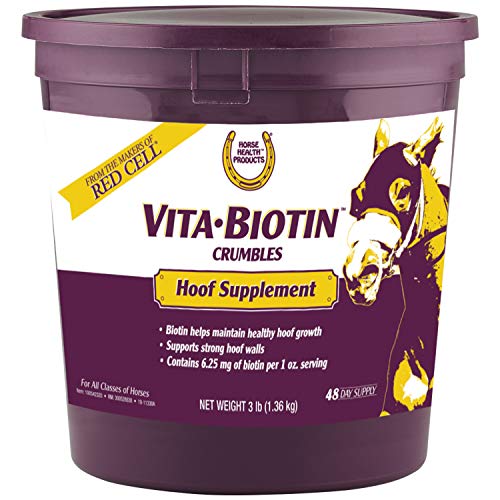
Horse Health Horse Health Vita Biotin Crumbles
Biotin support for strong feet that keep an older horse sound underfoot.

Harrison Howard Harrison Howard Fly Mask
Shields aging eyes from flies and sun during rides and turnout.
Why soundness beats age
Riding asks a horse to carry weight, balance, and absorb concussion through its legs and back. What determines whether it can do that comfortably is the state of its joints, feet, muscles, and overall health, not its date of birth. A 24-year-old with well-managed feet and mild arthritis may hack out happily several times a week, while a 14-year-old with significant joint disease may already be uncomfortable under saddle. Always assess the individual in front of you.
A veterinary soundness or lameness exam is the most reliable starting point. Your vet can flex joints, watch the horse move, and advise whether riding is appropriate, what intensity is sensible, and whether any condition would be made worse by work. This is especially worthwhile before buying or continuing to ride a horse in its late teens or 20s.
Signs an older horse should not be ridden hard
Stop and reassess if you notice any of these:
- Stiffness that does not ease with a thorough warm-up.
- Head bobbing, unevenness, or a shortened stride at the trot.
- Reluctance to move forward, pick up a canter lead, or go downhill.
- A hollow, tense, or sore back, or grumpiness when tacked up and mounted.
- Tripping or stumbling, which can signal foot, joint, or neurological problems.
- Heavy breathing or quick fatigue beyond what light work should cause.
These point to pain or reduced capacity. Continuing to ride through them risks injury and erodes trust. A veterinary exam should come before any decision to push on or pull back.
The right kind of work for a senior
For a sound older horse, the answer is usually not to stop, but to adjust. Light, regular, low-impact work tends to keep seniors healthier than full rest, which can leave them stiffer and weaker. Favor relaxed hacking, gentle flatwork, and plenty of walking on good footing. Lengthen warm-ups and cool-downs so stiff muscles loosen gradually, and avoid hard, fast, or high-jump work that pounds aging joints.
Weight and tack matter more as horses age and lose topline muscle. A common guideline is that a horse should carry no more than about 20 percent of its body weight including tack, and less for a weaker or arthritic senior. Have saddle fit checked regularly, since a changing topline can quickly leave an old saddle pinching or bridging.
Senior Horse Care Planner
Track your senior horse's vital signs, feed and body condition, farrier and dental schedule, medications, and quality of life, all in one printable planner.
Judging it horse by horse
The question is never really how old is too old, but whether this particular horse, today, is sound and comfortable enough to do this particular work. Lean on your veterinarian and farrier, watch closely for the warning signs above, and adjust the workload as the years pass. When riding no longer serves the horse, a comfortable retirement is the kind next step, and our guide on when to retire a horse walks through that decision. For more on keeping older horses moving well, see our mobility and joint care guides.
Editor's Pick · Affiliate link
Cosequin ASU for the Older Horse
The joint supplement with the most research behind it in horses, combining glucosamine and chondroitin with avocado and soybean unsaponifiables. Worth starting before an older horse is visibly stiff rather than after.
Frequently Asked Questions
How old is too old to ride a horse?
There is no fixed age that is too old to ride. Soundness, comfort, and overall health decide far more than the number of years. Many horses carry light riders comfortably into their late 20s, while a horse with severe arthritis or lameness may need to retire from riding in its teens. The right approach is a veterinary soundness check plus honest attention to how the horse moves and feels, not a birthday.
Can you ride a horse in its 20s?
Yes, plenty of horses in their 20s are ridden safely in light to moderate work. The key is that the horse is sound, comfortable, and free of conditions that riding would worsen. Keep the work appropriate to fitness, warm up and cool down thoroughly, choose good footing, and watch for stiffness or reluctance. Regular gentle exercise often benefits older joints, provided your vet agrees the horse is up to it.
How do I know if my older horse is too sore to ride?
Watch for stiffness that does not ease with warming up, reluctance to move forward, head bobbing or unevenness at the trot, difficulty picking up a canter lead, a hollow or tense back, and grumpiness when tacked up or mounted. Shortened stride, tripping, and a change in attitude are also red flags. If you see these, stop riding and arrange a veterinary lameness exam before continuing.
Should I keep riding my senior horse or let it rest?
For a sound senior, light regular work is usually better than full rest, because gentle movement supports joint lubrication, muscle tone, and mental wellbeing. Total inactivity can leave a horse stiffer and weaker. The goal is the right amount of the right work for that individual, guided by soundness. A horse with significant lameness, however, may need reduced work or retirement, which your vet can help you judge.
What kind of riding is best for an older horse?
Low-impact, steady work suits seniors best: relaxed hacking, gentle flatwork, light trail riding, and plenty of walking. Avoid hard, fast, or high-jump work that pounds aging joints, and skip deep or uneven footing that strains tendons. Longer warm-ups and cool-downs help stiff muscles. Carrying a lighter rider and using a well-fitted saddle reduce strain. Tailor intensity to the horse's fitness and comfort on the day.
Does carrying weight harm an old horse's back?
It can if the horse is asked to carry too much for its build, fitness, or soundness. Older horses often lose topline muscle, which leaves the back less supported, so saddle fit and rider weight matter more than ever. A common guideline is that a horse should carry no more than about 20 percent of its body weight including tack, less for a weak or arthritic senior. Have saddle fit checked regularly as the topline changes.
What supplements help keep a senior rideable?
Joint supplements with glucosamine, chondroitin, and sometimes MSM are commonly used to support comfort in working seniors, ideally chosen with your vet. Good hoof health, supported by biotin and regular farrier care, keeps a horse comfortable underfoot. Supplements support but never replace the basics: appropriate work, weight management, good footing, and veterinary treatment of any diagnosed lameness or arthritis.
Need more help with your senior horse?
Browse our guides by topic to find practical solutions.
Wellness Planner: $39