How Long Do Horses Live? Average Horse Lifespan
Most horses live 25 to 30 years, and many reach their 30s. Learn the average horse lifespan, what affects it, and how to help your horse live a long, healthy life.
Most horses live 25 to 30 years, and with good care many reach their early to mid 30s. A horse's lifespan depends heavily on breed size, dental health, diet, and veterinary care, and modern management has steadily pushed typical ages upward. Smaller breeds and ponies often outlive large drafts, and attentive daily care is what gets a horse to the top of the range.
If you own an aging horse, knowing what is normal helps you plan and notice when something changes. This guide covers the average horse lifespan, why some horses live longer than others, and the practical steps that add healthy years. You can also estimate where your own horse sits using our horse age calculator, convert years with the horse to human age chart, and compare typical figures on our average horse lifespan by breed chart.
Support a Long, Healthy Life

Purina Purina Active Senior Feed
Easy-to-chew complete feed that supports older horses with worn teeth.

Cosequin Cosequin ASU Joint Pellets
Glucosamine and chondroitin support for aging joints and longevity.
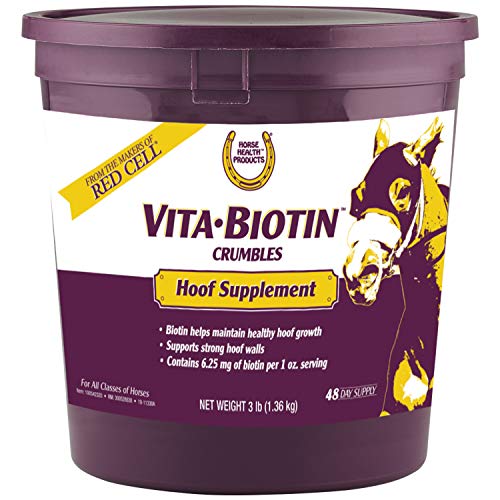
Horse Health Horse Health Vita Biotin Crumbles
Biotin hoof supplement to keep older feet strong and healthy.

Intrepid Trace Mineral Salt Brick
Free-choice salt to drive thirst and support year-round hydration.
The average horse lifespan
The typical domestic horse lives 25 to 30 years. That is a meaningful jump from a century ago, when many horses were considered old by their late teens and rarely reached 25. Better dentistry, targeted parasite control, balanced feeds, vaccines, and improved understanding of metabolic disease have all extended the average. Today a horse turning 30 is a familiar sight in well-run barns rather than a curiosity.
It helps to think in life stages rather than a single number. Horses are generally considered young into their early teens, senior around 15 to 20, and geriatric from about 20 onward. A horse in its late 20s or 30s is doing well, and many remain comfortable, social, and even lightly ridden at those ages.
What affects how long a horse lives
Several factors push a horse toward the short or long end of the range:
- Breed and size. Large draft breeds tend to live around 18 to 22 years, while ponies, miniatures, and smaller riding breeds often reach their 30s.
- Dental health. Horses' teeth wear continuously. Once grinding surfaces fail, weight loss and choke follow, so regular dental care is one of the strongest predictors of longevity.
- Metabolic conditions. Cushing's (PPID) and equine metabolic syndrome (EMS) raise laminitis risk and become more common with age. Early diagnosis and management protect both comfort and lifespan.
- Nutrition and weight. Keeping a horse at a healthy Henneke body-condition score, neither thin nor obese, reduces strain on joints, feet, and internal organs.
- Hoof and joint care. Consistent farrier work and arthritis management keep a horse moving, and movement supports overall health.
- Veterinary care and luck. Prompt treatment of colic and injury, plus a measure of good fortune, separate horses that reach old age from those lost early.
How to help your horse live longer
Longevity is built from unglamorous, consistent habits. The most effective ones are:
- Schedule dental exams. Most horses need a check at least once a year, and many seniors benefit from twice-yearly visits to manage worn or missing teeth.
- Feed forage first. Fiber is the foundation of the equine diet. When teeth can no longer manage long hay, shift to soaked hay replacers and a complete senior feed.
- Control parasites wisely. Use fecal egg counts to target deworming rather than blanket dosing, which protects gut health over a lifetime.
- Keep the feet right. Regular farrier cycles prevent the slow lameness that ends many riding careers and limits movement.
- Manage weight and metabolism. Body-condition score by hand under the coat, and test for Cushing's if you see a long coat, regional fat, or unexplained laminitis.
- Observe daily. You are the best monitoring tool. Small changes in appetite, manure, attitude, or comfort are early warnings worth acting on.
Senior Horse Care Planner
Track your senior horse's vital signs, feed and body condition, farrier and dental schedule, medications, and quality of life, all in one printable planner.
When a long life nears its end
Even the best-cared-for horse eventually reaches the limit of what management can do. The common reasons older horses are lost include colic, laminitis complications, severe dental decline, and chronic disease such as cancer or organ failure. Many seniors are humanely euthanized on welfare grounds when quality of life slips, rather than dying suddenly. Tracking weight, comfort, appetite, and willingness to move helps you and your veterinarian recognize when that day is approaching and make a kind, timely decision.
For most of a horse's life, though, the story is far more hopeful. With regular dental and veterinary care, a forage-first diet, sound feet, and a watchful owner, reaching the late 20s and 30s is a realistic goal. To dig deeper into senior management, explore our senior horse health guides and feeding resources, and use the horse age calculator to put your own horse's years in perspective.
Editor's Pick · Affiliate link
Cosequin ASU for the Older Horse
The joint supplement with the most research behind it in horses, combining glucosamine and chondroitin with avocado and soybean unsaponifiables. Worth starting before an older horse is visibly stiff rather than after.
Frequently Asked Questions
What is the average lifespan of a horse?
Most domestic horses live 25 to 30 years, and with good care many reach their early to mid 30s. A century ago the average was lower, closer to the early 20s, but advances in dental care, parasite control, nutrition, and veterinary medicine have pushed typical lifespans up. Smaller breeds and ponies tend to live longer than large drafts, and individual care makes a real difference at the top end of the range.
What is the oldest horse ever recorded?
The oldest horse on record is Old Billy, a British barge horse who reportedly lived to 62 in the 1800s, though that age is hard to verify by modern standards. In more recent and better-documented cases, horses have reached their late 40s and early 50s. These are extreme outliers. For practical planning, expect a healthy horse to live into its late 20s or 30s rather than its 40s.
Do some breeds live longer than others?
Yes. Ponies and smaller breeds such as Arabians, Quarter Horses, and Morgans often live into their 30s, while large draft breeds like Clydesdales and Shires tend to have shorter lives of roughly 18 to 22 years. Miniature horses frequently reach their early to mid 30s. Genetics set a rough ceiling, but dental health, weight management, and veterinary care determine how close a horse gets to it.
At what age is a horse considered old?
Horses are usually called senior around 15 to 20 years and geriatric near 20 and beyond. Age in years matters less than condition, though. A well-managed 22-year-old can be sounder than a neglected 15-year-old. The senior label is a cue to step up dental exams, monitor for Cushing's and weight changes, and adjust the diet, not a sign that a horse is finished or fragile.
How can I help my horse live longer?
The biggest levers are regular dental care, a forage-first diet matched to the horse's teeth and metabolism, year-round parasite control guided by fecal egg counts, consistent farrier care, and prompt veterinary attention for colic, laminitis, and Cushing's. Keep the horse at a healthy body-condition score, provide daily turnout and movement, and catch problems early through close daily observation. Steady, attentive management adds years.
What do most old horses die from?
Common end-of-life causes in older horses include colic, complications of laminitis, severe dental disease leading to weight loss, and chronic conditions such as Cushing's, cancer, and organ failure. Many seniors are ultimately euthanized on welfare grounds when quality of life declines, rather than dying suddenly. Watching for changes in appetite, comfort, weight, and mobility helps you and your vet make timely, humane decisions.
Is 30 old for a horse?
Thirty is genuinely old for a horse, but it is far from rare today. A horse in its 30s is well into geriatric territory and usually needs easy-chew feed, joint support, careful temperature management, and twice-yearly veterinary checks. Many horses stay comfortable and even lightly ridden into their early 30s. With attentive care, reaching 30 is an achievable and increasingly common milestone.
Need more help with your senior horse?
Browse our guides by topic to find practical solutions.
Wellness Planner: $39