Equine First Aid Kit Essentials
Build a complete equine first-aid kit: thermometer, antiseptic, wound care, bandaging, and a reference guide, plus normal vital signs and when to call the vet.
Every horse owner needs a well-stocked first-aid kit, and for an older horse that can decline quickly, being ready to respond matters even more. A good kit lets you stabilize a problem and treat minor issues while you reach your veterinarian, turning a stressful emergency into a manageable one. This guide walks through the essentials every equine first-aid kit should contain, the normal vital signs that let you use them effectively, and the crucial judgment of when to treat at home versus when to call the vet.
First aid stabilizes, it does not replace professional care. The single most important number in your kit is your veterinarian's, and the most important skill is knowing what is normal for your individual horse.
Equine First Aid Essentials
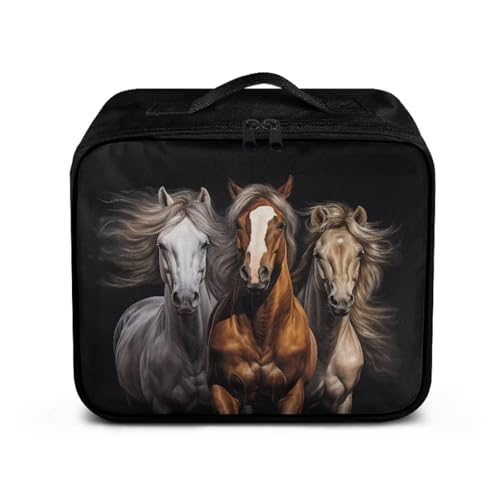
Rnyleeg Horse First Aid Kit Bag
A portable, organized bag to hold and carry your first-aid essentials.

Generic Veterinary Thermometer
Fast, accurate temperature readings to check against your horse's normal.

Betadine Betadine Antiseptic Solution
Povidone-iodine to clean wounds before dressing them.


Skyhorse Dr. Kellon's Guide to First Aid
A trusted reference for knowing when to treat and when to call the vet.
The core contents
A practical first-aid kit does not need to be elaborate, but it should be complete and organized in a container you can grab quickly. The essentials are:
- Digital thermometer. To check temperature against your horse's normal.
- Antiseptic solution. Povidone-iodine or similar to clean wounds.
- Wound powder or spray. For minor cuts, scrapes, and small bleeds.
- Bandaging. Self-adhesive vet wrap, sterile gauze, non-stick pads, and cotton.
- Tools. Blunt-tipped scissors and a clean container.
- Reference guide. A trusted book for deciding how to respond.
Keep your vet's number on the lid, and consider a smaller duplicate kit for the trailer.
Know your horse's normal
A kit is only as useful as your ability to recognize trouble, and that comes from knowing baseline vital signs. Take these readings when your horse is calm and healthy so you have a comparison.
| Vital sign | Typical resting range |
|---|---|
| Temperature | Roughly 99 to 101°F |
| Pulse | About 28 to 44 beats per minute |
| Respiration | Around 8 to 16 breaths per minute |
| Gut sounds | Audible on both sides |
| Gum refill | Color returns in about 2 seconds |
These ranges vary by individual and shift with age, so keep current baselines for your senior horse on record.
Treating minor problems
For a small, clean wound, gently clean away dirt with water or dilute antiseptic, assess the depth, apply a wound product if appropriate, and bandage if the location allows. Watch over the following days for swelling, heat, discharge, or lameness. A digital thermometer lets you catch a developing fever early. The aim of home first aid is to handle the genuinely minor and to stabilize the more serious while help is on the way, never to substitute for the vet on anything beyond your depth.
When to call the vet
Knowing when to pick up the phone is the most important first-aid skill of all. Call your veterinarian for signs of colic, severe or non-weight-bearing lameness, deep or heavily bleeding wounds, any wound near a joint or tendon, eye injuries, fever, difficulty breathing, choke, or a sudden major change in appetite or behavior. Older horses can deteriorate fast and heal slowly, so err on the side of calling early. Photographing a wound and phoning for guidance is always reasonable when you are unsure.
Senior Horse Care Planner
Track your senior horse's vital signs, feed and body condition, farrier and dental schedule, medications, and quality of life, all in one printable planner.
Prepared and ready
A complete, well-organized first-aid kit and a clear head are what get a horse safely through a minor crisis. Stock the essentials, learn your horse's normal vital signs, keep the kit accessible and restocked, and carry a travel version when you trailer out. Above all, know the difference between what you can handle and what needs the vet, and never hesitate to call early for an older horse. With preparation and good judgment, you can meet most everyday emergencies calmly and keep your senior safe.
Editor's Pick · Affiliate link
Cosequin ASU for the Older Horse
The joint supplement with the most research behind it in horses, combining glucosamine and chondroitin with avocado and soybean unsaponifiables. Worth starting before an older horse is visibly stiff rather than after.
Frequently Asked Questions
What should be in an equine first-aid kit?
A solid kit includes a digital thermometer, antiseptic solution such as povidone-iodine, wound powder or spray, self-adhesive bandage wrap, sterile gauze and non-stick pads, clean cotton, a roll of cohesive tape, blunt scissors, a clean container, and a good reference guide. Keep your vet's number on the lid. Knowing your horse's normal vital signs lets you use these tools effectively. The kit is for stabilizing problems and treating minor issues, not for replacing veterinary care.
How do I treat a minor wound on a horse?
For a small, clean cut, gently clean away dirt with water or a dilute antiseptic, assess the depth, apply a wound product if appropriate, and bandage if the location allows. Watch for swelling, heat, discharge, or lameness over the following days. Call your vet for any wound that is deep, near a joint or tendon, heavily bleeding, gaping enough to need stitches, or not healing. When in doubt, photograph it and phone your vet for guidance.
What are normal vital signs for a horse?
A normal resting temperature is roughly 99 to 101 degrees, pulse about 28 to 44 beats per minute, and respiration around 8 to 16 breaths per minute, with audible gut sounds on both sides and gums that refill with color in about two seconds. These ranges vary by individual, so take baselines when your horse is healthy and calm. Knowing what is normal for your horse is the single most useful first-aid skill, because it tells you when something is wrong.
When should I call the vet instead of treating at home?
Call your vet for signs of colic, severe or non-weight-bearing lameness, deep or heavily bleeding wounds, wounds near joints or tendons, eye injuries, a fever, difficulty breathing, choke, or any sudden major change in behavior or appetite. First aid stabilizes a horse while help is on the way, it does not replace the vet. For an older horse, which can decline quickly, err on the side of calling early rather than waiting to see if a problem resolves.
Do senior horses need special first-aid considerations?
Yes. Older horses can deteriorate faster, heal more slowly, and are more prone to colic, choke, and complications, so prompt attention matters more. Keep their normal vital signs on record, since baselines shift with age, and watch closely for the subtle early signs of trouble that seniors tend to hide. Have your kit stocked and your vet's number handy, and do not hesitate to call early. The same kit serves all ages, but vigilance should be higher for a senior.
How often should I check and restock my first-aid kit?
Review the kit at least a few times a year and after any use. Check expiration dates on antiseptics and medications, replace anything used up, confirm bandaging is clean and intact, and make sure the contents are dry and organized. A kit is only useful if it is complete and accessible in an emergency, so store it where you can grab it quickly and keep a smaller version for the trailer or travel.
Should I take a first-aid kit when trailering?
Yes. Travel and competitions are common settings for minor injuries and stress-related problems, and you may be far from your usual vet. Keep a compact first-aid kit in the trailer with the essentials, plus your horse's vital-sign baselines, vaccination records, and emergency contacts. Knowing a vet at your destination ahead of time is wise. A travel kit lets you handle minor issues on the road and stabilize a horse until you reach professional help.
Need more help with your senior horse?
Browse our guides by topic to find practical solutions.
Wellness Planner: $39