Cushing's Care Kit for Horses (PPID Management)
A practical care kit for horses with Cushing's disease (PPID): low-sugar feeding, grazing control, laminitis prevention, coat and fly management, and supportive supplements.
Cushing's disease, properly known as PPID, is one of the most common conditions of older horses, and a diagnosis can feel overwhelming at first. The good news is that PPID is highly manageable, and many horses live comfortably for years with the right combination of veterinary treatment, careful diet, and supportive management. This guide assembles a practical care kit for a Cushing's horse, organized around the everyday tools that support the medical treatment your veterinarian provides.
Nothing here replaces a proper diagnosis and prescription medication from your vet, which are the foundation of managing PPID. Think of these items as the supporting cast that helps you carry out the diet, laminitis prevention, and comfort care that go alongside that medication.
Cushing's Horse Care Kit

SU-PER Chasteberry Hormone Support
Used by owners alongside vet-prescribed treatment to support hormone balance.

Weaver Leather Comfort Grazing Muzzle
Limits sugary grass intake to help prevent laminitis in metabolic horses.

Harrison Howard UV-Protection Fly Mask
Keeps an unshedding, clipped Cushing's horse protected from sun and flies.

Majestic Ally Ultra Slow Feed Hay Net
Stretches low-sugar forage to control intake without long fasting gaps.
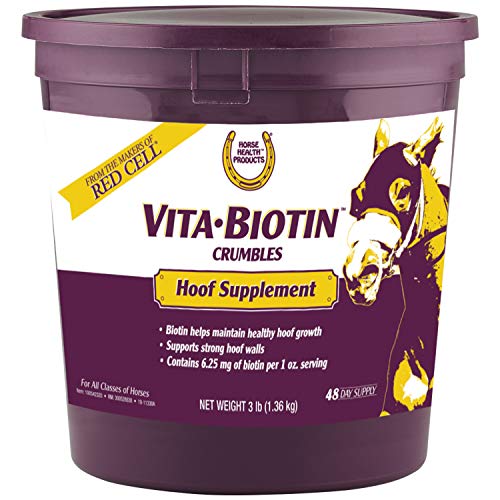
Horse Health Vita Biotin Hoof Supplement
Supports hoof quality in a horse at higher risk of laminitis.
Diagnosis and medication come first
PPID is a hormonal disorder that only your veterinarian can diagnose and treat. Diagnosis usually involves a blood test for the hormone ACTH, often timed to the autumn seasonal rise. The mainstay of treatment is a prescription medication that controls the overactive hormone production, which a vet must prescribe and monitor with periodic rechecks. Everything else in this kit supports that medical treatment, it does not substitute for it. If your older horse shows a long unshedding coat, increased drinking, muscle loss, or laminitis, ask your vet about testing.
Low-sugar feeding and grazing control
Because many PPID horses also have insulin dysregulation, a low-sugar, low-starch diet is central to keeping them safe from laminitis. The practical tools here are about controlling sugar intake:
- Grazing muzzle. Lets a horse stay turned out and moving while drastically cutting grass, and therefore sugar, intake.
- Slow-feed hay net. Stretches low-sugar forage through the day so the horse is not fasting for long stretches.
- Soaked hay. Soaking hay for 30 to 60 minutes reduces its sugar content for at-risk horses.
Favor low-NSC forage, limit or eliminate grass for high-risk individuals, and avoid sugary feeds and treats. Build the specific diet with your vet or an equine nutritionist.
Laminitis prevention
Laminitis is the most serious risk a Cushing's horse faces, because high insulin damages the structures inside the hoof. It can strike even without obvious diet changes, including during the autumn hormone rise. Prevention means good disease control with medication, a consistently low-sugar diet, weight management, grazing control, and regular farrier care to keep the feet balanced. A hoof supplement can support horn quality in a horse at elevated risk. Most importantly, watch daily for any sign of foot soreness and treat suspected laminitis as an emergency.
Coat, heat, and comfort
The classic long, curly coat of a PPID horse fails to shed and leaves the horse overheating in summer. Body clipping such a horse helps it stay cool, and a UV fly mask protects the clipped, sun-exposed senior along with its sensitive eyes. Good PPID control can improve shedding over time. Because the disease also weakens immunity, stay alert to infections and skin problems, and keep up with grooming, dental care, and the general comfort measures every senior horse needs.
| PPID challenge | Supportive measure |
|---|---|
| Insulin and laminitis risk | Low-sugar diet, grazing muzzle, weight control, farrier care |
| Unshedding coat and overheating | Body clipping, fly mask, shade and airflow |
| Weakened immunity | Watch for infections, keep vaccinations and care current |
| Hormonal imbalance | Prescription medication and regular vet rechecks |
Senior Horse Care Planner
Track your senior horse's vital signs, feed and body condition, farrier and dental schedule, medications, and quality of life, all in one printable planner.
Managing Cushing's for the long run
A Cushing's diagnosis is the start of a manageable routine, not the end of a good life. Keep your horse on its prescribed medication, feed a consistent low-sugar diet, control grazing, prevent laminitis with vigilance and farrier care, and manage the coat and immunity issues that come with PPID. The tools in this kit support that daily work, but your veterinarian remains the centerpiece of the plan. With early diagnosis and steady management, many horses enjoy comfortable years long after their Cushing's is found.
Editor's Pick · Affiliate link
Cosequin ASU for the Older Horse
The joint supplement with the most research behind it in horses, combining glucosamine and chondroitin with avocado and soybean unsaponifiables. Worth starting before an older horse is visibly stiff rather than after.
Frequently Asked Questions
What is Cushing's disease in horses?
Cushing's, properly called PPID or pituitary pars intermedia dysfunction, is a common hormonal disorder of older horses caused by dysfunction in part of the pituitary gland. It leads to a long, curly coat that fails to shed, increased drinking and urination, muscle loss, a potbellied look, laminitis, and a weakened immune system. PPID is managed, not cured, usually with a prescription medication from your vet plus careful diet and management. Many horses live well for years with good care.
How is Cushing's diagnosed and treated?
Your veterinarian diagnoses PPID with blood tests, commonly measuring the hormone ACTH, often timed to the autumn seasonal rise when results are most revealing. The mainstay of treatment is a prescription medication that controls the overactive hormone production, which only a vet can prescribe and monitor. Alongside medication, management focuses on a low-sugar diet, weight control, laminitis prevention, body clipping, and supportive care. Regular rechecks let the vet adjust the dose as needed.
What should a Cushing's horse eat?
A low-sugar, low-starch diet is the cornerstone, because many PPID horses also have insulin dysregulation that makes them laminitis-prone. Favor low-NSC forage, soak hay to reduce sugar, limit or eliminate grass for at-risk individuals, and avoid sugary feeds and treats. A ration balancer or a feed designed for metabolic horses provides nutrients without excess sugar. Always tailor the diet to the individual with veterinary or equine nutritionist guidance, since needs vary with weight and insulin status.
Can supplements help a Cushing's horse?
Supplements support but never replace prescription treatment. Chasteberry is sometimes used by owners to support hormone balance, though evidence is limited and it does not control PPID the way prescribed medication does. Antioxidants, omega fatty acids, and joint or hoof supplements may support overall health and comfort. Discuss any supplement with your vet, especially since the priority is proper medication, low-sugar diet, and laminitis prevention rather than relying on supplements to manage the disease.
Why do Cushing's horses get laminitis?
Many PPID horses also have insulin dysregulation, and high insulin damages the laminae inside the hoof, triggering laminitis. This connection makes laminitis one of the most serious risks of Cushing's, and it can strike even without obvious diet changes, including during the autumn hormone rise. Preventing it means controlling the disease with medication, keeping the diet low in sugar, managing weight, limiting grass, and maintaining regular farrier care. Watch closely for any sign of foot soreness.
Why won't my Cushing's horse shed its coat?
A long, curly coat that fails to shed is one of the most recognizable signs of PPID, caused by the hormonal disruption affecting the coat cycle. This leaves affected horses overheating in summer under a heavy fleece. Body clipping such a horse helps it stay cool and comfortable, and good PPID control with medication can improve coat shedding over time. If your older horse keeps a long coat into summer, ask your vet about testing for Cushing's.
Can a horse live a long life with Cushing's?
Yes. With proper diagnosis, prescription medication, a low-sugar diet, laminitis prevention, and good general care, many horses live comfortably for years after a PPID diagnosis. The keys are catching it early, keeping the horse on its medication, managing diet and weight, and staying vigilant for laminitis and infections, since PPID weakens immunity. Regular veterinary monitoring keeps treatment on track. Cushing's is a manageable condition, not an automatic end to a good quality of life.
Need more help with your senior horse?
Browse our guides by topic to find practical solutions.
Wellness Planner: $39