Tooth Loss in Senior Horses: What to Expect
Why older horses lose teeth, how to spot it, and how soaked feeds and good dental care keep a horse eating well and holding weight even with missing teeth.
Finding a tooth in your horse's feed bucket or bedding can be a startling moment, but for the owner of a senior horse it is often simply a sign of age catching up with a hardworking mouth. Horses are designed to wear their teeth down over a lifetime of grinding forage, and eventually many of them run out of tooth. Tooth loss does not have to mean decline. With an understanding of why it happens and a willingness to adjust the diet, horses routinely live comfortable, well-fed lives into their thirties despite missing or worn-out teeth.
Feeding a Horse With Tooth Loss
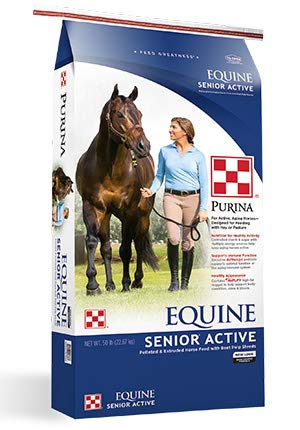
Purina Purina Active Senior Horse Feed
Complete senior feed that can be soaked into a soft mash to replace hay for horses with tooth loss.
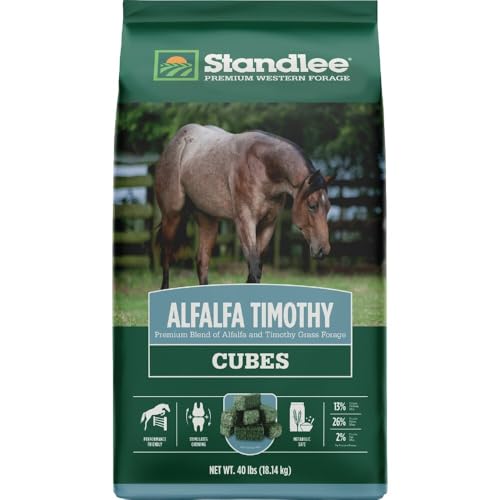
Standlee Standlee Alfalfa/Timothy Hay Cubes
Soakable forage cubes that provide chewable hay fiber for horses that can no longer eat long hay.
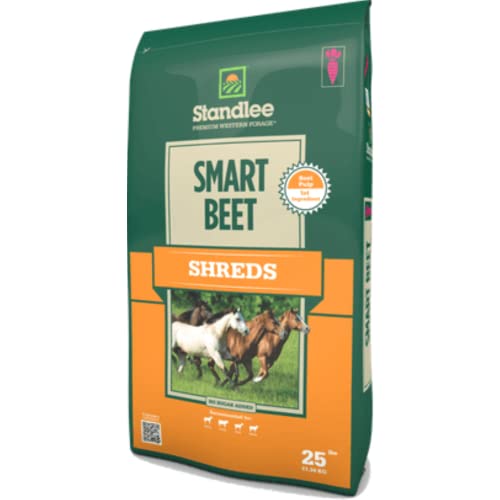
Standlee Standlee Beet Pulp Shreds
Low-sugar digestible fiber that soaks soft to add calories and water for senior horses missing teeth.
Why horses lose teeth with age
A horse's teeth are unlike ours. Rather than growing once and lasting a lifetime, they erupt continuously to replace the surface worn away by constant grinding of fibrous forage. Buried in the jaw is a reserve crown that slowly pushes up over the years. It is a generous supply, but it is not infinite. By the late twenties and beyond, many horses have worn through most of that reserve, the teeth become short and loose, and some simply fall out. Disease accelerates the process: EOTRH attacks the incisors, infections and fractures destroy individual teeth, and uneven wear can leave some teeth without an opposing partner to grind against.
Recognizing tooth loss
Horses are stoic, so the signs of dental trouble can be subtle until the problem is advanced. Watch for these common red flags:
- Quidding. Dropping wads of half-chewed hay is a classic sign the horse cannot grind forage properly.
- Dropping grain or eating slowly. Reluctance or difficulty eating points to mouth discomfort.
- Weight loss. A horse that cannot chew hay well extracts less nutrition from it.
- Undigested fiber in manure. Long stems passing through whole show that grinding is failing.
- Bad odor or facial swelling. These can indicate infection around a diseased or loose tooth.
Because so many cases are silent, routine dental exams remain the most reliable way to catch tooth loss early.
What to do when a tooth is lost
If you discover a lost tooth or suspect one is loose, call your vet or equine dentist rather than intervening yourself. A naturally exhausted tooth at the end of its life may work its way out painlessly, but a fractured, diseased, or genuinely loose tooth can be painful and may need professional extraction. Your dentist can assess for pain and infection, decide whether removal is needed, and smooth any sharp edges or overgrowths left behind. They will also check the tooth that used to oppose the missing one, since without a grinding partner it can overgrow into the gap and cause new problems.
Adjusting the diet
The single most important response to tooth loss is changing how you feed. A horse that can no longer grind long hay needs its fiber delivered in a soft, easy-to-chew form so it can still get the calories and forage it depends on.
| Feed | Role | How to serve |
|---|---|---|
| Complete senior feed | Replaces hay entirely if needed | Soak into a soft mash |
| Hay cubes or pellets | Chewable forage fiber | Soak until soft and fluffy |
| Beet pulp | Extra calories and water | Soak thoroughly before feeding |
Soak feeds to a soft, mushy consistency, especially in horses at risk of choke, and offer smaller, more frequent meals. Adjust amounts to keep your horse at a healthy body condition score, and provide constant access to clean water.
Senior Horse Care Planner
Track your senior horse's vital signs, feed and body condition, farrier and dental schedule, medications, and quality of life, all in one printable planner.
Keeping a toothless senior thriving
Once the diet matches the mouth, most horses with significant tooth loss do remarkably well. Monitor body condition closely and weigh feed rather than guessing, since a horse on a soaked complete diet can easily gain or lose without you noticing day to day. Keep up regular dental exams even after major tooth loss, because the remaining teeth still need balancing and food can pack into the gaps. Watch for choke by soaking feeds well and feeding from the ground. With a thoughtful soaked diet, steady veterinary dental care, and a watchful eye on weight, a horse missing teeth can stay bright, comfortable, and well-nourished for many more years.
Editor's Pick · Affiliate link
Cosequin ASU for the Older Horse
The joint supplement with the most research behind it in horses, combining glucosamine and chondroitin with avocado and soybean unsaponifiables. Worth starting before an older horse is visibly stiff rather than after.
Frequently Asked Questions
Why do senior horses lose their teeth?
Horse teeth erupt continuously through life to compensate for grinding wear, but they are a finite resource. By their late twenties and beyond, many horses simply run out of tooth, the reserve crown wears down, and teeth loosen and fall out. Disease such as EOTRH, infections, fractures, and severe wear patterns also cause tooth loss. Losing teeth in very old age is a normal part of aging, but it must be managed so the horse can still eat well.
Can a horse live a good life with missing teeth?
Absolutely. Many horses thrive well into their thirties with few or even no functional grinding teeth, as long as their diet is adjusted to match what their mouth can handle. The key is recognizing that a horse with significant tooth loss can no longer chew long hay effectively and switching to soaked, easy-to-chew feeds that provide the fiber and calories they need. With the right diet and dental care, missing teeth are very manageable.
How do I know if my horse is losing teeth?
Common signs include quidding, where the horse drops balls of half-chewed hay, dropping grain, slow or reluctant eating, weight loss, undigested fiber in the manure, a foul odor from the mouth, and sometimes facial swelling. You might find an actual tooth in the feed or bedding. Because horses hide discomfort, many cases are caught at a routine dental exam, which is one more reason seniors need regular checks by a vet or equine dentist.
What should I feed a horse that has lost teeth?
Shift toward feeds that require little chewing and deliver fiber in a soft form. Soaked hay cubes or pellets, soaked beet pulp, and complete senior feeds made into a mash provide forage fiber and calories without the need to grind long hay. Many horses with major tooth loss do best on a complete feed that replaces hay entirely. Soak feeds to a soft consistency, feed smaller frequent meals, and adjust amounts to maintain a healthy body condition.
Does my horse need the loose tooth removed by a vet?
Sometimes. A truly loose, diseased, or fractured tooth can be painful and may need professional extraction, while a tooth that is naturally working its way out at the end of its life may come away on its own. Never try to pull a tooth yourself. Have your vet or equine dentist examine any loose tooth, because they can assess pain, infection, and whether removal is needed, and they can smooth any sharp edges left behind.
Will losing teeth cause my horse to lose weight?
It can, if the diet is not adjusted, because a horse that cannot chew hay effectively fails to extract enough nutrition from it and may also eat less due to discomfort. Weight loss is one of the most common red flags of dental trouble in seniors. The good news is that switching to soaked, easy-to-chew feeds usually reverses the trend. Monitor body condition closely and work with your vet to fine-tune the ration as teeth are lost.
How often should a horse with missing teeth see the dentist?
At least once a year, and often twice, because the remaining teeth still need attention to stay balanced and free of sharp points and to catch new problems early. A mouth with missing teeth can develop uneven wear, overgrowths opposite the gaps, and food packing between teeth, all of which a dentist can address. Regular exams also let your vet adjust feeding advice as the mouth continues to change with age.
Need more help with your senior horse?
Browse our guides by topic to find practical solutions.
Wellness Planner: $39