How Often Should a Senior Horse See the Dentist?
How often older horses need dental exams, why seniors need checks at least yearly, who should do the work, and the warning signs that mean call the dentist sooner.
Dental care is one of the most overlooked parts of senior horse management, yet it has an outsized impact on comfort, weight, and quality of life. A young horse on a good schedule might coast along with a once-a-year float, but older mouths change faster and develop more problems, so the question of how often to call the dentist deserves a fresh answer once a horse reaches its late teens. The short version is at least annually, often twice a year, but the right schedule depends on your individual horse and is best set with your vet or equine dental professional.
Supporting Senior Dental Health
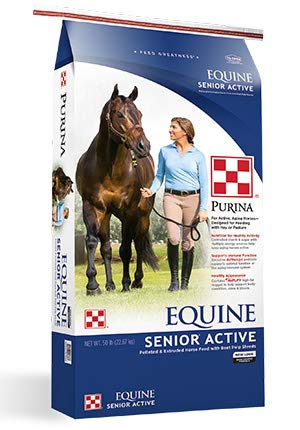
Purina Purina Active Senior Horse Feed
Fortified senior feed that supports body condition and can be softened for horses with worn teeth.

Standlee Standlee Timothy Mini Cubes
Soakable forage cubes that give easy-to-chew fiber between dental visits for an aging mouth.

Manna Pro Manna Pro Weight Accelerator for Seniors
Calorie and muscle support for older horses that struggle to hold weight as teeth wear down.
The general rule for seniors
Most senior horses should have a dental exam at least once a year, and a great many benefit from checks every six months. The reason is simple: aging mouths are moving targets. Sharp enamel points form more readily, wear becomes uneven as teeth shorten and some are lost, and conditions such as EOTRH, loose teeth, fractured teeth, and gaps between teeth that pack food all become more likely. A once-yearly exam is the minimum that lets your professional stay ahead of these changes. For horses with known problems, twice yearly or even more frequent monitoring is often the right call.
What changes with age
Younger horses have a deep reserve of tooth and relatively predictable wear. Seniors are different. As the reserve crown is used up, teeth become shorter, looser, and more variable. A tooth lost on one side leaves its opposite number with nothing to grind against, so it overgrows into the gap. Spaces called diastemata open up and trap food, leading to gum disease and discomfort. EOTRH can quietly destroy the incisors. Each of these develops on its own timeline, which is why a fixed schedule matters less than regular professional eyes on the mouth.
| Horse profile | Suggested dental interval |
|---|---|
| Healthy senior, stable mouth | Once a year |
| Known dental disease or tooth loss | Every six months |
| EOTRH, diastemata, or recent extractions | As often as your vet advises |
| Any new symptoms | Call promptly, do not wait |
Who should do the work
Senior dental care is not a job for an untrained lay floater with power tools. It should be performed by an equine veterinarian or a qualified, properly trained equine dental technician working within the laws of your region and, where appropriate, alongside a vet. Older mouths often need sedation for a thorough exam, careful assessment of loose or diseased teeth, and informed decisions about whether to extract. Ask about training and credentials, and choose someone experienced with the particular challenges of aging horses. The exam itself typically involves sedation, a speculum to hold the mouth open, and a tooth-by-tooth check with a mirror or scope.
Why gentle floating matters in seniors
Floating, the rasping of sharp points and balancing of the bite, is just as important for old horses as young ones, but it must be done conservatively. Sharp points cause painful cheek and tongue ulcers and reduce a horse's ability to grind, which is doubly costly for a senior that already has less tooth to spare. At the same time, over-rasping a worn tooth strips away precious remaining grinding surface. A skilled professional removes the points and overgrowths that cause pain while preserving as much functional tooth as possible, a balance that takes experience with older mouths.
Senior Horse Care Planner
Track your senior horse's vital signs, feed and body condition, farrier and dental schedule, medications, and quality of life, all in one printable planner.
Signs to call sooner
Never feel you have to wait for the next scheduled visit if your horse seems uncomfortable. Call your dentist promptly if you notice quidding, dropping feed, slow or reluctant eating, weight loss, a foul odor from the mouth, facial swelling, blood-tinged saliva, head tossing, or new resistance to the bit. Dental pain is easy to miss because horses hide it so well, and catching a sharp point, loose tooth, or early infection quickly keeps a minor issue from turning into a serious one. Pair a sensible exam schedule with appropriate senior nutrition, and good dental care becomes one of the most reliable ways to keep your older horse comfortable and holding weight.
Editor's Pick · Affiliate link
Cosequin ASU for the Older Horse
The joint supplement with the most research behind it in horses, combining glucosamine and chondroitin with avocado and soybean unsaponifiables. Worth starting before an older horse is visibly stiff rather than after.
Frequently Asked Questions
How often should a senior horse see the dentist?
Most senior horses need a dental exam at least once a year, and many benefit from twice yearly checks. Older mouths change faster, develop sharp points and uneven wear more readily, and are more likely to have conditions like EOTRH, loose teeth, and gaps that trap food. Your vet or equine dentist will recommend a schedule based on your horse's specific mouth. As teeth wear out in advanced age, more frequent monitoring helps keep the horse eating comfortably.
Is once a year enough for an older horse?
Once a year is the minimum for a senior, and it suits horses with reasonably stable, healthy mouths. Horses with known dental disease, significant tooth loss, EOTRH, diastemata that pack food, or a history of problems often need checks every six months. The right interval is the one your dental professional sets after seeing the mouth, not a fixed rule. When in doubt, more frequent exams catch trouble early, which is always easier and cheaper to manage.
Who should do my senior horse's dental work?
Dental work should be done by an equine veterinarian or a qualified, properly trained equine dental technician working within the laws of your area. Senior dental care often involves sedation, careful assessment of loose or diseased teeth, and decisions about extraction, all of which call for veterinary involvement. Avoid untrained lay floaters using power tools without oversight. Ask about training and credentials, and choose someone experienced with the particular challenges of aging mouths.
What happens during a senior dental exam?
The professional usually sedates the horse, places a speculum to hold the mouth open, and examines every tooth and the gums, often with a mirror or scope. They feel for sharp points, loose or fractured teeth, gaps that trap food, overgrowths, and signs of EOTRH or infection. They then float, meaning rasp down sharp points and balance the bite, more gently than in a young horse. Any further treatment, such as extraction, is discussed and planned with you.
Why does floating matter more for older horses?
Sharp enamel points, hooks, and overgrowths cause painful cheek and tongue ulcers and stop a horse grinding efficiently, which hits seniors harder because they already have less tooth to work with and rely on every bit of chewing surface. Floating removes those points and balances the bite so the horse can chew comfortably and extract maximum nutrition. In older horses floating is done conservatively, since over-rasping a worn tooth removes precious remaining grinding surface.
Can regular dental care help my horse keep weight on?
Yes. A comfortable, balanced mouth lets a horse chew and digest its feed efficiently, which directly supports body condition. Many seniors that struggle to hold weight improve once painful points are floated, infected teeth are treated, and the diet is matched to the mouth. Dental exams also flag when a horse needs to move to soaked, easy-to-chew feeds. Pairing regular dental care with appropriate senior nutrition is one of the best ways to keep an older horse in good flesh.
Are there signs I should call the dentist before the next scheduled visit?
Yes. Call sooner if you notice quidding, dropping feed, slow or reluctant eating, weight loss, a foul mouth odor, facial swelling, blood-tinged saliva, head tossing, or resistance to the bit. These can signal a sharp point, a loose or fractured tooth, an infection, or EOTRH that needs prompt attention. Do not wait for the annual visit if your horse shows discomfort, because dental pain is easy to overlook and quick treatment keeps small problems from becoming big ones.
Need more help with your senior horse?
Browse our guides by topic to find practical solutions.
Wellness Planner: $39