EOTRH in Senior Horses: A Painful Tooth Disease
What EOTRH is, how to spot this painful incisor disease in older horses, how vets diagnose and treat it, and how horses thrive after affected teeth are removed.
EOTRH is a mouthful of a name for a disease that quietly causes a great deal of pain in older horses. Standing for equine odontoclastic tooth resorption and hypercementosis, it is a progressive condition of the incisor and sometimes canine teeth that has become increasingly recognized in horses over fifteen. Because the worst of the damage happens below the gum line and horses hide their discomfort, EOTRH is often missed until it is advanced. Learning the signs helps you catch it early and spare your horse months of needless pain.
Feeding Support for EOTRH
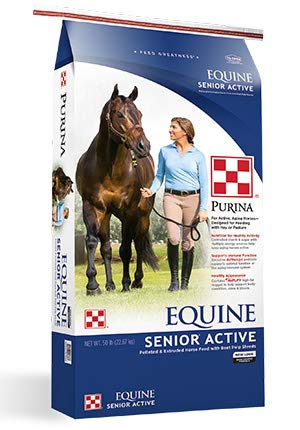
Purina Active Senior Horse Feed
Easy-to-grasp complete feed for horses with painful or extracted incisors.
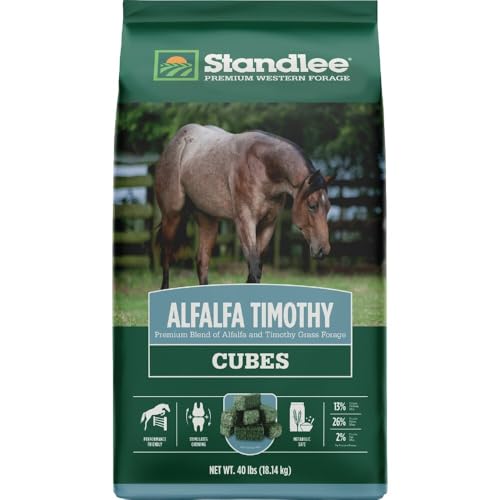
Standlee Alfalfa Timothy Hay Cubes
Soak into a mash so a horse with sore incisors keeps its fiber intake up.
What EOTRH does to the teeth
In EOTRH, two destructive processes happen at once. The body's cells begin to resorb, or dissolve away, the roots of the incisor teeth, weakening and destroying them from within. At the same time, excess cementum is laid down around the teeth in a process called hypercementosis, creating the characteristic bulbous, club-shaped appearance of affected incisors. The combination leaves the teeth painful, structurally compromised, and prone to fracture. The disease is progressive, meaning it worsens over time, and it tends to affect more teeth as it advances.
Recognizing the signs
EOTRH usually announces itself subtly, which is why so many cases go unnoticed at first. The earliest clues often involve how the horse takes food.
- Reluctance to bite hard treats. A horse that used to crunch carrots and apples may start refusing them or taking them with its lips instead of its front teeth.
- Gum changes. Receding, reddened, or bulging gums around the incisors, sometimes with heavy calculus buildup.
- Bulbous incisors. The front teeth take on a swollen, club-shaped look as cementum accumulates.
- Draining tracts. Small openings above the teeth that drain, signaling infection and abscessation.
- Head shyness and weight loss. Sensitivity around the muzzle and a gradual loss of condition.
Many owners say the first thing they noticed was their horse mysteriously refusing the hard treats it had always loved. That single change is worth taking seriously in an older horse.
How EOTRH is diagnosed
Diagnosing EOTRH requires a veterinary oral exam combined with dental radiographs of the incisors. This is essential because much of the disease occurs below the gum line where it cannot be seen directly. X-rays reveal the characteristic root resorption and the excess cementum, and they show how many teeth are involved and how far the process has advanced. Since EOTRH is progressive, your vet may recommend periodic re-examination and repeat radiographs to monitor it and decide when treatment is needed. Never assume a horse is fine simply because the incisors look acceptable from the outside.
| Stage | What you may see | Typical approach |
|---|---|---|
| Early | Refusing hard treats, mild gum change | Exam and incisor radiographs, monitor |
| Progressing | Bulbous teeth, receding gums, calculus | Radiographs, pain assessment, plan treatment |
| Advanced | Draining tracts, loose teeth, weight loss | Extraction of affected incisors |
Treatment and how horses cope
The primary treatment for painful, affected teeth is extraction of the diseased incisors by a veterinarian. Removing incisors sounds drastic, but it is the most reliable way to end the pain, and horses cope remarkably well. The cheek teeth do the grinding, so chewing is largely unaffected, and many horses return to grazing after healing, sometimes with the tongue protruding slightly in a way owners find rather endearing. There is no treatment that reverses the resorption itself, so management focuses on relieving pain by removing the affected teeth and keeping the horse comfortable. The improvement in attitude, appetite, and brightness after treatment is often striking, a clear sign of how much pain the horse had been quietly enduring.
Senior Horse Care Planner
Track your senior horse's vital signs, feed and body condition, farrier and dental schedule, medications, and quality of life, all in one printable planner.
Feeding and ongoing care
During healing and for horses with sore or missing incisors, offering food in an easy-to-grasp, soft form helps. Soaked hay cubes, hay pellets, beet pulp, and a complete senior feed served as a mash require no biting and keep fiber and calories going in. Most horses adapt quickly and eat with renewed enthusiasm once the pain is gone. Because EOTRH cannot currently be prevented and its cause is not fully understood, the best protection is regular senior dental exams that pay attention to the incisors, with radiographs when signs appear. Catching EOTRH early, working closely with your equine veterinarian, and adjusting the diet as needed allow an affected horse to live comfortably and well despite this challenging disease.
Editor's Pick · Affiliate link
Cosequin ASU for the Older Horse
The joint supplement with the most research behind it in horses, combining glucosamine and chondroitin with avocado and soybean unsaponifiables. Worth starting before an older horse is visibly stiff rather than after.
Frequently Asked Questions
What is EOTRH in horses?
EOTRH stands for equine odontoclastic tooth resorption and hypercementosis. It is a progressive, painful disease of the incisors and sometimes the canine teeth in older horses, in which the body resorbs the tooth roots while laying down excess cementum, creating bulbous, deteriorating teeth. It is increasingly recognized in horses over fifteen and causes significant pain when biting and grasping food.
What are the signs of EOTRH?
Early signs are subtle: reluctance to bite into a carrot or apple, taking treats with the lips rather than the incisors, and gum changes. As it progresses you may see receding, reddened, or bulging gums, a calculus buildup, bulbous-looking incisors, small draining tracts above the teeth, head shyness, and weight loss. Many owners first notice their horse refusing to grab hard treats it used to enjoy.
Is EOTRH painful?
Yes, EOTRH is genuinely painful, which is why affected horses change how they take food. The resorbing roots and inflamed gums hurt when the incisors are used to bite or grasp, so the horse compensates. Because horses are stoic, the pain is often underestimated. Owners are frequently surprised at how much brighter and more comfortable their horse becomes after affected teeth are treated or removed.
How is EOTRH diagnosed?
Diagnosis requires a veterinary oral exam and, importantly, dental radiographs of the incisors, since much of the disease occurs below the gum line where it cannot be seen directly. X-rays reveal the characteristic root resorption and excess cementum and show how far the disease has progressed. Because EOTRH is progressive, periodic re-examination and repeat radiographs help your vet track it and time treatment appropriately.
What is the treatment for EOTRH?
The main treatment for painful, affected teeth is extraction of the diseased incisors by a veterinarian. While removing incisors sounds drastic, horses cope remarkably well, and many can even continue to graze, sometimes with the tongue protruding slightly. Relieving the pain typically produces a dramatic improvement in comfort, attitude, and appetite. There is no cure that reverses the resorption, so management focuses on removing painful teeth and keeping the horse comfortable.
Can a horse eat normally after incisor removal?
Most horses adapt very well after incisor extraction. The cheek teeth do the grinding, so chewing is largely unaffected, and many horses graze again once healed. Some need their forage offered in an easy-to-grasp form or switched partly to soaked hay replacers. Owners are often relieved to see a pain-free horse eating with enthusiasm again. Your vet will advise on any feeding adjustments during healing and afterward.
Can EOTRH be prevented?
There is currently no known way to prevent EOTRH, and its exact cause is not fully understood. The best defense is early detection through regular senior dental exams that include attention to the incisors and radiographs when signs appear. Catching it early lets your vet manage pain and plan treatment before the horse suffers prolonged discomfort or loses condition. Annual oral exams are the key to staying ahead of it.
Need more help with your senior horse?
Browse our guides by topic to find practical solutions.
Wellness Planner: $39