Heat and Cold Therapy for Senior Horses
Learn when to use heat versus cold therapy on an older horse, how to apply each safely, and the best ice boots and hot-cold wraps for comfort and recovery.
Heat and cold are two of the oldest and most useful tools in horse care, and they remain just as valuable for an aging horse. Applied at the right time, cold therapy calms the inflammation of a fresh strain or flare-up, while gentle heat relaxes the chronic stiffness of old, arthritic joints and tired muscles. Both are simple, affordable, and low-risk when used correctly, which makes them a natural part of a senior comfort routine.
The trick is knowing which to use and when, because applying the wrong one at the wrong moment can backfire. This guide explains the difference, walks through how to apply each safely, and rounds up convenient ice boots and reusable hot and cold wraps so you can keep your older horse comfortable through everyday aches and the occasional flare.
Heat and Cold Therapy Tools

WORLD-BIO WORLD-BIO Horse Ice Boots
Reusable cold therapy wraps for hocks, knees, and ankles to ease inflammation
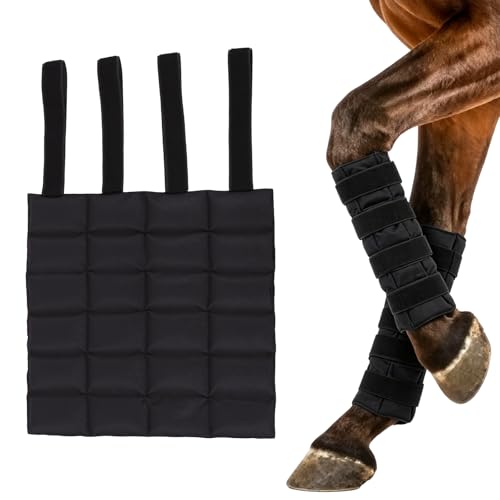
Dr.sendesi Dr.sendesi Hot and Cold Leg Wrap
A reusable wrap for both heat and cold therapy on the legs, with adjustable fit

NEWGO NEWGO Reusable Horse Ice Pack Wrap
A flexible cooling wrap for the knee and leg, easy to chill and reapply

Harrison Howard Harrison Howard Cool Gel Ice Boot
A cool gel pack leg wrap covering the full leg, knee, and hock area
Cold vs Heat: The Simple Rule
The basic guideline is easy to remember: cold for new, heat for old. Cold therapy is for acute, fresh problems, a recent strain, a knock, a flare-up, or sudden heat and swelling in a leg, where the goal is to reduce inflammation, swelling, and pain in the first day or two. Heat therapy is for chronic, established issues, the deep stiffness of old arthritic joints and tired muscles, where gentle warmth relaxes tissue and encourages circulation, often as a warm-up before light work.
The important caveat is that this is a general rule, not a diagnosis. Any new heat, swelling, or lameness deserves a veterinary call, and your vet may advise a specific protocol for your horse's situation. Used the wrong way around, putting heat on a fresh, inflamed injury for example, you can make matters worse.
How to Apply Cold Therapy Safely
- Time it right: Cold is most useful in the acute phase, often the first 24 to 48 hours after an injury or flare.
- Limit each session: Around 15 to 20 minutes per session, repeated several times a day, is a common approach, but follow your vet's guidance.
- Protect the skin: Avoid prolonged direct ice on bare skin; use a wrap or cloth barrier and watch for any adverse skin reaction.
- Use a purpose-made boot: Equine ice boots deliver even, shaped cooling and stay in place better than improvised packs.
- Secure it well: A wrap that slips or slides can startle a horse or cool unevenly.
Senior Horse Care Planner
Track your senior horse's vital signs, feed and body condition, farrier and dental schedule, medications, and quality of life, all in one printable planner.
How to Apply Heat Therapy Safely
Gentle heat is wonderfully soothing for an arthritic senior's chronic stiffness. The single most important rule is that heat should be comfortably warm, never hot enough to burn. Always test the temperature against your own skin first, and never use heat on a fresh injury, an area of active swelling or infection, or over broken skin. Warm therapy works well on tight muscles and old, stiff joints to relax tissue and ease an older horse into movement, for instance a warming session before a gentle ride on a cold morning. Reusable hot and cold gel wraps that can be warmed make this simple, and a fleece cooler or ceramic sheet offers a gentler, all-over warmth for general stiffness.
Choosing Your Tools
For everyday senior care, a couple of reusable items cover most needs. A set of cold therapy ice boots handles flare-ups and post-exertion inflammation, cooling the lower legs, hocks, and knees where arthritis and strains often show up. A reusable hot and cold gel wrap is even more versatile, since the same wrap can be chilled for cold therapy or warmed for chronic stiffness. Look for wraps that fit the area you need, stay securely in place, and are easy to chill or warm and reapply. Keep a couple on hand so one is always ready in the freezer or warmed and waiting.
Where Heat and Cold Fit in Senior Care
Heat and cold therapy are excellent supportive tools, but they manage symptoms rather than causes. Cold calms inflammation, heat eases stiffness, and both bring genuine comfort, yet neither diagnoses or fixes the underlying problem. A new swelling, heat, or lameness still needs your vet, and chronic arthritis still needs a full management plan of veterinary pain relief, joint support, weight control, farrier care, and sensible exercise. Used thoughtfully alongside that care, hot and cold therapy are simple, affordable ways to keep your older horse more comfortable day to day.
This article is educational and does not replace advice from your equine veterinarian. For any acute injury, swelling, or lameness, contact your vet, who can diagnose the problem and recommend the right therapy.
Related Guides
- Managing Chronic Pain in Senior Horses - The full comfort plan.
- Equine Massage for Seniors - Pair with warming bodywork.
- Best Poultice for Horses - Another way to draw heat and ease legs.
Editor's Pick · Affiliate link
Cosequin ASU for the Older Horse
The joint supplement with the most research behind it in horses, combining glucosamine and chondroitin with avocado and soybean unsaponifiables. Worth starting before an older horse is visibly stiff rather than after.
Frequently Asked Questions
When should I use cold therapy versus heat on my horse?
As a general rule, cold therapy suits acute, fresh problems and heat suits chronic, established stiffness, but you should always confirm with your vet for a specific issue. Cold (icing) is used in the first day or two after an acute injury, strain, or flare-up to reduce inflammation, swelling, and pain. Heat is used later, on chronic stiff muscles and old arthritic joints, to relax tissue and encourage circulation before work. Using the wrong one at the wrong time can make a problem worse.
How long should I apply ice or cold to a horse's leg?
A common approach is around 15 to 20 minutes per session, repeated several times a day during the acute phase, but follow your vet's specific guidance for the injury. The goal is to cool the tissue without causing cold damage to the skin, so avoid applying ice directly to bare skin for too long and use a wrap or cloth barrier where appropriate. Watch the skin for any adverse reaction. Many cold therapy boots are designed to deliver safe, even cooling for a set time.
Is heat therapy safe for an arthritic senior horse?
Used correctly, gentle heat can be very soothing for chronic arthritic stiffness, helping relax tight muscles and ease an older horse into movement. The key word is gentle: heat should be comfortably warm, never hot enough to burn, and it should not be used on a fresh injury, an area of active swelling or infection, or over broken skin. Always check the temperature against your own skin first, monitor your horse, and confirm with your vet that heat is appropriate for the issue.
Can I use a bag of frozen peas or homemade ice packs?
Improvised cold packs can work in a pinch, but use a cloth or wrap barrier between the ice and the skin to prevent cold injury, and secure it well so it stays in place. Purpose-made equine ice boots and reusable hot and cold gel wraps are more convenient, deliver more even coverage, and are shaped to fit the leg, which is why many owners prefer them. Whatever you use, monitor the skin and follow safe timing rather than leaving cold on indefinitely.
Should I ice my horse's legs after every ride?
Routine icing is sometimes used for hard-working horses to manage normal post-work inflammation, but for a typical senior in light work it is not usually necessary and should not be a substitute for diagnosing a problem. If your horse comes back from gentle exercise with heat, swelling, or lameness in a leg, that warrants a call to your vet rather than just icing. Use cold therapy purposefully for a known reason, ideally on your vet's advice, rather than as an automatic habit.
Can heat and cold therapy replace veterinary care?
No. Heat and cold are simple, valuable supportive tools, but they treat symptoms like inflammation and stiffness, not the underlying cause. A new swelling, heat, or lameness needs a veterinary diagnosis so the real problem can be addressed, and chronic conditions like arthritis need a complete management plan. Think of hot and cold therapy as helpful first aid and comfort care that complements veterinary treatment, farrier work, joint support, and pain management, never as a replacement for them.
Need more help with your senior horse?
Browse our guides by topic to find practical solutions.
Wellness Planner: $39