Senior Warmblood Care: A Complete Guide
Caring for an aging warmblood sport horse: managing arthritis from athletic careers, transitioning to retirement, feeding for lighter work, and big-body joint and dental health.
Warmbloods are the athletes of the horse world, bred for dressage, jumping, and eventing, and a senior Hanoverian, Holsteiner, Dutch Warmblood, or Oldenburg often carries the marks of a demanding career. Caring for an aging sport horse centers on the joints: years of athletic work plus a large frame make arthritis the headline issue, and a thoughtful transition from competition to retirement makes a real difference to comfort. With good joint management, a diet adjusted for lighter work, and steady turnout, a warmblood can stay sound and content well into its twenties. This guide covers the priorities.
Senior Warmblood Care Essentials

Cosequin Cosequin Optimized with MSM
Concentrated joint support for a large sport horse with athletic mileage.
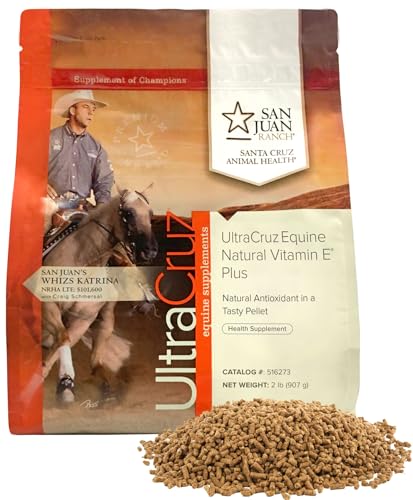
UltraCruz Natural Vitamin E Supplement
Antioxidant and muscle support for an aging athlete's topline.

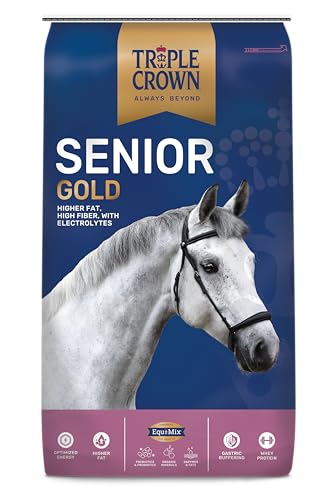
Triple Crown Senior Textured Feed
Calorie and protein support for a senior that tends to lose topline.
Typical lifespan and how careers shape aging
Warmbloods generally live 25 to 30 years. As large sport horses, their size demands more of the joints, feet, and heart than a lighter horse faces, and the nature of their athletic careers strongly influences how they age. A horse campaigned hard at the upper levels may carry significant joint wear into old age, while one that competed lightly or moved into pleasure work often stays sound longer. Across the board, keeping the teeth working and the weight moderate underpins a long, comfortable senior phase.
Arthritis: the central senior issue
Years of training and competition load the hocks, stifles, fetlocks, and front feet, and over time that work catches up as degenerative joint disease. Arthritis is the most common reason a senior warmblood becomes stiff or unsound. The most protective thing you can provide is daily turnout and consistent gentle movement, which keep arthritic joints lubricated far better than stall rest ever could. Balanced, regular farrier care reduces strain on aging legs, and a joint supplement with glucosamine, chondroitin, and MSM supports many older sport horses. When arthritis limits comfort, your vet can add targeted treatment such as joint injections or anti-inflammatory medication tailored to the individual.
Transitioning from competition to retirement
How you wind down a warmblood's career matters. Stopping all work abruptly, going from daily training to standing in a stall, tends to stiffen joints, pile on weight, and dull a horse used to a job. Instead, step the workload down gradually. Maintain turnout and light, regular movement, whether that is hacking, gentle flatwork, or simply lots of paddock time. As the work decreases, the horse's energy needs fall, so the diet must come down too, or a formerly fit athlete will become overweight. A measured, gradual transition keeps both body and mind in better shape.
| Concern | Why warmbloods are prone | Senior care focus |
|---|---|---|
| Arthritis | Athletic careers, large frame | Turnout, farrier balance, joint support |
| Weight gain in retirement | Energy needs drop as work stops | Reduce ration, monitor condition |
| Developmental joint legacy | Fast-growing large-framed youth | Veterinary monitoring, joint care |
| Topline and muscle loss | Age and reduced work | Quality protein, vitamin E, light exercise |
Feeding the retired sport horse
The biggest feeding mistake with a retired warmblood is continuing a performance ration after the work has stopped. Base the diet on quality forage and match the rest to the individual: a horse that holds weight easily often needs only a ration balancer for vitamins, minerals, and protein, while one that drops topline benefits from a senior feed with added calories and quality protein. Keep sugar and starch moderate to support joint and metabolic health, supply enough protein and vitamin E to maintain muscle, and weigh feed rather than guessing. Monitor body condition every couple of weeks and adjust, because both obesity and thinness create problems in a large senior.
Dental care, daily management, and quality of life
Aging warmbloods need the same yearly oral exams and floating as any senior, since worn or uneven teeth quietly undermine condition, and soaked feeds or hay replacers help once long hay becomes hard to chew. Some warmblood lines carry a legacy of developmental orthopedic issues from their fast-growing youth, so regular veterinary checkups are worthwhile. As a retired warmblood spends more time outdoors, a turnout sheet helps an older horse stay warm and dry, especially if it has lost some condition. Above all, keep your senior sport horse moving, well fed for its reduced workload, and comfortable in its joints. Work closely with your equine vet and farrier to design a retirement plan that fits your individual horse, and many good years can follow a long competitive career.
Senior Horse Care Planner
Track your senior horse's vital signs, feed and body condition, farrier and dental schedule, medications, and quality of life, all in one printable planner.
Editor's Pick · Affiliate link
Cosequin ASU for the Older Horse
The joint supplement with the most research behind it in horses, combining glucosamine and chondroitin with avocado and soybean unsaponifiables. Worth starting before an older horse is visibly stiff rather than after.
Frequently Asked Questions
How long do warmblood horses live?
Warmbloods such as Hanoverians, Holsteiners, Dutch Warmbloods, and Oldenburgs generally live 25 to 30 years. As large sport horses, their size places more demand on joints and feet than a lighter horse faces, so the quality of their senior years depends heavily on how their athletic careers were managed. A warmblood that competed at high levels may show more arthritis with age, while a lightly worked one often stays sound longer. Dental and weight care matter throughout.
Why are senior warmbloods prone to arthritis?
Warmbloods are bred for athletic performance in dressage, jumping, and eventing, disciplines that load the joints heavily over years of training and competition. That accumulated work, combined with a large body, makes degenerative joint disease one of the most common issues in aging warmbloods. The hocks, stifles, fetlocks, and front feet are typical trouble spots. Daily turnout, balanced farrier care, joint supplements, and veterinary management such as injections help keep an older sport horse comfortable.
How do I transition a warmblood from competition to retirement?
Step the workload down gradually rather than stopping all at once, since a sudden change from heavy work to standing in a stall stiffens joints and can cause weight gain or boredom. Maintain daily turnout and light, consistent movement, which keep arthritic joints far more comfortable than rest. Reassess the diet as energy needs fall so the horse does not become overweight, and let your vet guide ongoing joint management. Many warmbloods enjoy light flatwork or trail riding well into their twenties.
What should I feed a retired warmblood?
As work decreases, calorie needs drop, so a horse that ate a performance ration may need far less. Base the diet on quality forage and use a ration balancer if the horse holds weight easily, or a senior feed if it tends to lose condition. Keep sugar and starch moderate to support joint and metabolic health. Weigh feed, monitor body condition every couple of weeks, and adjust, since both obesity and weight loss create problems in a large senior.
Do warmbloods have any breed-specific health concerns?
Some warmblood lines carry a higher incidence of developmental orthopedic issues such as osteochondrosis from their fast-growing, large-framed youth, which can contribute to joint disease later. Their size also means more strain on the heart and feet in old age. Skin conditions and a tendency to weight gain when work stops are worth watching too. Regular veterinary checkups help catch these issues, and good joint and weight management addresses the most common concerns.
Can an older warmblood still be ridden?
Often yes, and gentle, regular exercise benefits an aging warmblood's joints, weight, and mind. The key is matching the work to the horse's soundness: light flatwork, hacking, and trail riding suit many seniors well, while the demands of high-level competition usually do not. Keep sessions consistent rather than sporadic and intense, warm up thoroughly, and let your vet guide you if the horse has arthritis. Staying lightly active helps a warmblood age more comfortably than full retirement to a stall.
Need more help with your senior horse?
Browse our guides by topic to find practical solutions.
Wellness Planner: $39