Senior Quarter Horse Care: A Complete Guide
Caring for an aging Quarter Horse: managing easy-keeper metabolism, PSSM, arthritis from performance work, and hoof and dental health through the senior years.
The American Quarter Horse is the most popular breed in the country, valued for its calm temperament, versatility, and willingness. Those same qualities make Quarter Horses wonderful seniors, but their range of types, from compact stock horses to taller performance lines, means aging care has to fit the individual. Two themes run through most senior Quarter Horse care: an easy-keeper metabolism that demands weight and sugar control, and joint wear from active careers. Manage both, stay on top of the feet and teeth, and your Quarter Horse can enjoy a long, comfortable retirement. This guide covers the essentials.
Senior Quarter Horse Care Essentials

Cosequin Cosequin ASU Joint Supplement
Glucosamine and chondroitin support for hocks and feet worn by performance work.
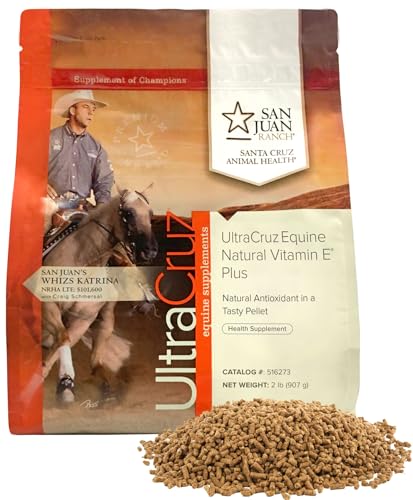
UltraCruz Natural Vitamin E Supplement
Antioxidant and muscle support, valuable for PSSM-prone Quarter Horses.

Majestic Ally Slow Feed Hay Net
Stretches forage and slows intake for an easy-keeper senior.
Typical lifespan and aging type
Most Quarter Horses live 25 to 30 years, and many remain sound and useful well into their twenties. Because the breed spans so many jobs, how a horse ages depends heavily on its history. A backyard or trail horse that stayed lean and barefoot-sound may carry little wear, while a horse that spent years sliding, turning, or running will likely show more arthritis. Whatever the background, the longevity drivers are the same: keep the teeth working, the weight moderate, and the feet balanced.
Metabolic tendencies: weight, EMS, and PPID
Many stock-type Quarter Horses are genuine easy keepers, holding weight on very little and tending toward obesity if managed like a harder keeper. That predisposes them to insulin dysregulation and equine metabolic syndrome, which spike laminitis risk, and with age PPID becomes common as well. Watch for cresty fat, fatty pads, late or patchy shedding, increased drinking and urination, and any episode of laminitis, and ask your vet about testing for EMS and PPID. The core management is the same either way: a low-sugar diet, a lean body condition, limited rich grass, and steady exercise.
PSSM and muscle health
Quarter Horses and related stock breeds carry an elevated risk of polysaccharide storage myopathy, or PSSM, a genetic disorder in which muscle cells store sugar abnormally. Affected horses can tie up, going stiff and sore, especially with high-starch diets or irregular work. A senior with a history of muscle cramping benefits from a low-starch, higher-fat diet, supplemental vitamin E, and consistent daily turnout and light exercise rather than occasional hard efforts. If you suspect PSSM, your vet can advise on genetic testing and an aging-appropriate management plan. Even without a diagnosis, the low-sugar, high-movement approach suits the breed well.
| Concern | Why Quarter Horses are prone | Senior care focus |
|---|---|---|
| EMS / obesity | Easy-keeper stock metabolism | Low-sugar diet, lean weight, exercise |
| PSSM / tying up | Genetic in stock breeds | Low-starch high-fat diet, vitamin E, routine |
| Arthritis | Performance careers | Turnout, farrier balance, joint support |
| Small upright feet | Breed conformation | Regular trimming, biotin, watch for laminitis |
Joints and the legacy of performance
Arthritis is one of the most common reasons a senior Quarter Horse slows down, especially in horses that worked cattle, reined, ran barrels, or roped. The hocks, stifles, and front feet take the brunt of those careers. The most protective routine is daily turnout and gentle, consistent movement, which keep arthritic joints far more comfortable than stall rest. A regular farrier schedule and good hoof balance reduce strain, and a joint supplement with glucosamine and chondroitin supports many older horses. If lameness persists, your vet can tailor treatment, which may include joint injections or anti-inflammatories.
Feet, teeth, and daily management
Quarter Horses are sometimes noted for relatively compact, upright feet for their body mass, so balanced trimming matters as they age, and the feet are also where metabolic laminitis tends to show first. Keep a tight farrier schedule, support weak walls with a biotin hoof supplement, and learn to feel for heat and digital pulse. On the dental side, yearly oral exams with floating as needed keep an older Quarter Horse chewing efficiently, and soaked feeds or hay replacers help once teeth wear out. Round it out with steady turnout, companionship, and attentive weight monitoring, and work with your equine vet and farrier to keep your senior Quarter Horse sound and happy for years.
Senior Horse Care Planner
Track your senior horse's vital signs, feed and body condition, farrier and dental schedule, medications, and quality of life, all in one printable planner.
Editor's Pick · Affiliate link
Cosequin ASU for the Older Horse
The joint supplement with the most research behind it in horses, combining glucosamine and chondroitin with avocado and soybean unsaponifiables. Worth starting before an older horse is visibly stiff rather than after.
Frequently Asked Questions
How long do Quarter Horses live?
American Quarter Horses commonly live 25 to 30 years, and many stay sound and useful well into their twenties. As the most popular breed in the United States, they vary widely in type and use, which affects how they age. A pleasure or ranch horse that kept good weight and feet often ages comfortably, while a heavily campaigned performance horse may carry more joint wear. Dental care, weight management, and soundness shape longevity most.
Are Quarter Horses prone to metabolic problems as they age?
Many stock-type Quarter Horses are easy keepers and can tend toward obesity, insulin dysregulation, and equine metabolic syndrome, which raise laminitis risk. With age, PPID, or Cushing's disease, becomes common too. Keep your senior at a moderate body condition, feed low-sugar forage, and limit rich pasture. If you see fat pads, late shedding, increased drinking, or laminitis, ask your vet about testing for EMS and PPID so you can manage them early.
What is PSSM and does it affect senior Quarter Horses?
Polysaccharide storage myopathy, or PSSM, is a genetic muscle disorder seen in Quarter Horses and related stock breeds that causes muscles to store sugar abnormally, leading to stiffness, tying up, and reluctance to work. A horse with PSSM benefits from a low-starch, higher-fat diet, added vitamin E, and consistent daily exercise. If your senior has a history of muscle cramping or tying up, your vet can advise on testing and a management plan suited to an older horse.
How should I feed an older Quarter Horse?
Start with good forage and adjust to the individual. An easy-keeper senior often needs only low-sugar hay and a ration balancer to meet vitamin and mineral needs without excess calories. A harder-keeping or performance-bred horse may need a senior feed for added calories. Avoid high-sugar grains and treats given the metabolic tendencies of the breed, weigh feed rather than eyeballing it, and monitor body condition every couple of weeks.
Do senior Quarter Horses commonly get arthritis?
Yes, especially horses that worked cattle, reined, ran barrels, or competed hard, since those careers stress the hocks, stifles, and front feet. Arthritis in the lower joints is one of the most common senior issues in the breed. Daily turnout, a consistent farrier schedule, and a joint supplement with glucosamine and chondroitin help. If you see ongoing stiffness or lameness, your vet can offer targeted options such as joint injections or anti-inflammatory support.
Why is hoof care important for an aging Quarter Horse?
Quarter Horses are sometimes noted for relatively small, upright feet for their body mass, which makes balanced trimming important as they age. Add metabolic risk and the feet become a key focus, since laminitis often shows there first. Keep a regular farrier schedule, support hoof quality with biotin if walls are weak, and watch for heat or a strong digital pulse. Good feet carry an aging horse comfortably and reveal metabolic trouble early.
Need more help with your senior horse?
Browse our guides by topic to find practical solutions.
Wellness Planner: $39